Additional Considerations
Key Self Assessment deadlines
- 5 October: register for Self Assessment for the tax year that ended on the previous 5 April
- 31 October: paper return deadline
- 31 January: online return deadline and payment deadline for any tax owed, plus your first payment on account if one applies
- 31 July: second payment on account, if one applies
If you register late
If you owe tax and register after 5 October, HMRC can charge a failure to notify penalty based on the tax that was unpaid. If you still pay all the tax you owe by 31 January, this penalty should normally be reduced to nil. If you owe no tax, you cannot be charged a failure to notify penalty, but you should still register on time because you may not know your position until you have completed the return.
Late filing penalties for Self Assessment returns start at £100, even if you owe no tax. After 3 months, daily penalties of £10 a day apply for up to 90 days, with further penalties at 6 and 12 months. Interest is charged on tax paid late. If you are within Making Tax Digital, a points-based system applies to late submissions instead.
If you already have a UTR
If you have filed returns before but stopped, do not register again from scratch. Tell HMRC by 5 October that you need to file again, and they will reactivate your record and send you a notice to file. If you are starting a new self-employment, you will still need to tell HMRC about the new business.
Making Tax Digital for Income Tax
From 6 April 2026, sole traders and landlords with qualifying income (gross self-employment and property income combined) over £50,000 must keep digital records and send quarterly updates to HMRC using compatible software. The threshold falls to £30,000 from April 2027 and £20,000 from April 2028. You still need to be registered for Self Assessment first.
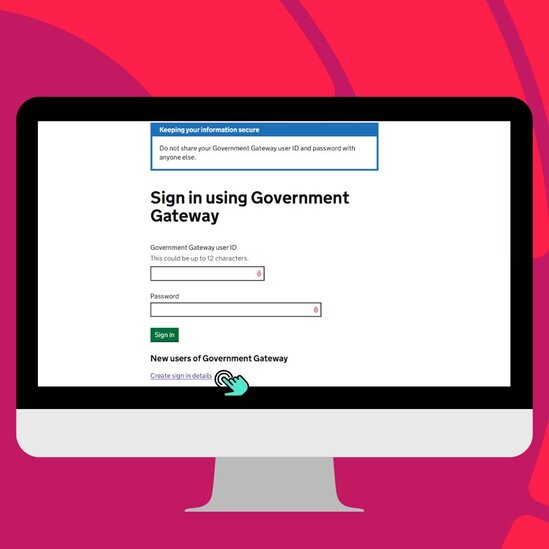
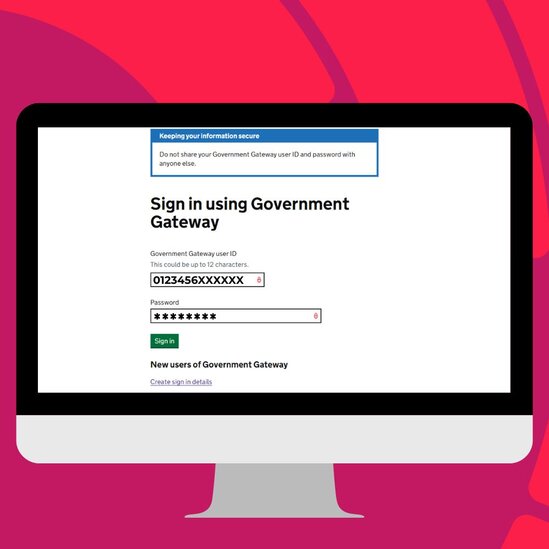
Never share your Government Gateway user ID or password with anyone. Use authorised software or an agent instead.