Introduction
The UK’s proposed overhaul of business rates has led to a sharp political dispute, with Conservative opposition figures accusing the Labour government of harming businesses through its tax policies.
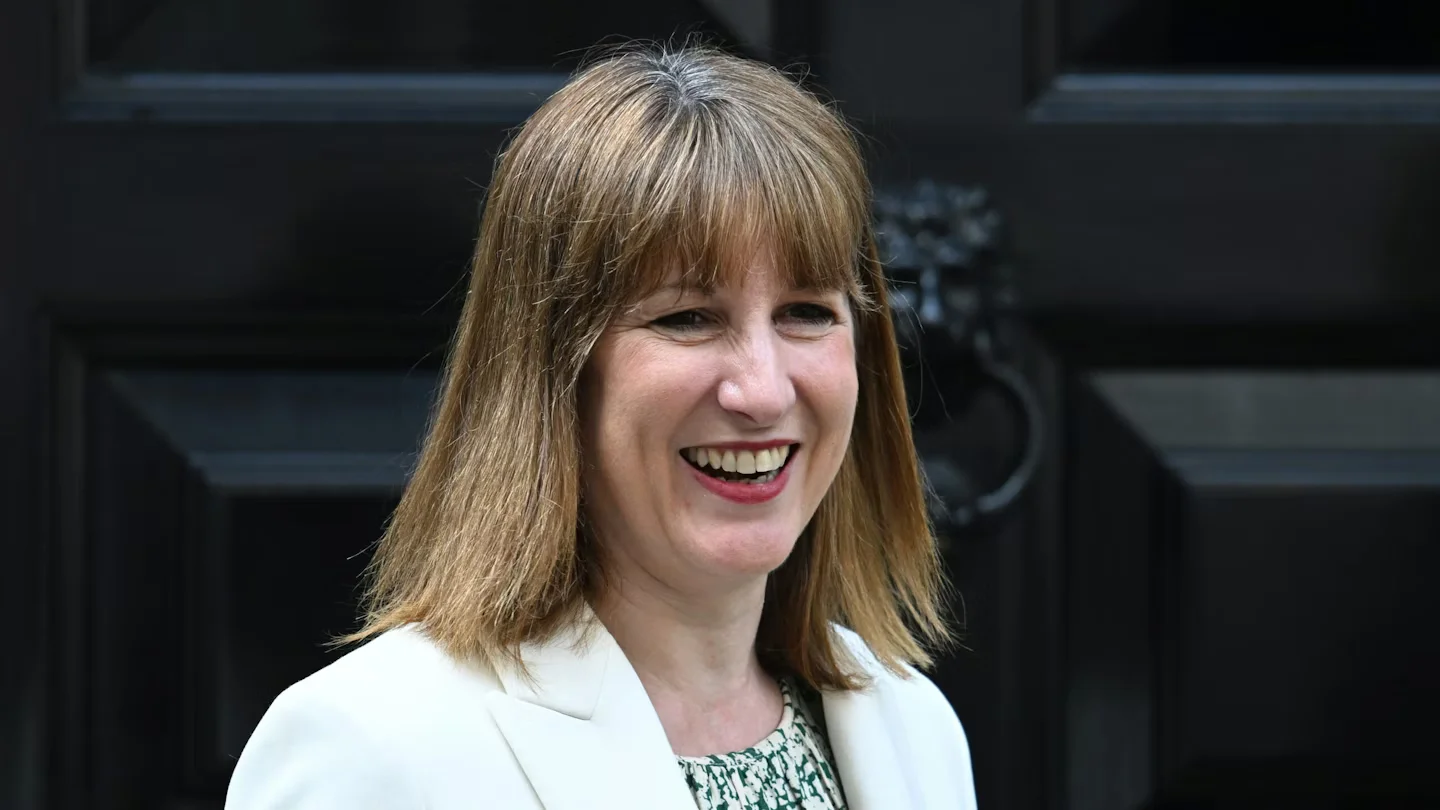
The debate, which intensified during a recent parliamentary session, centres on measures announced by Chancellor Rachel Reeves in the most recent Budget. The reforms include changes to the structure of business rates, affecting retail, hospitality, and leisure sectors, while shifting the tax burden towards larger commercial properties.
As the government defends its approach, business groups and political opponents are voicing concerns about higher costs and job losses within key industries.
Political confrontation over business rates
During an opposition-led debate in the House of Commons, Shadow Culture Secretary Nigel Huddleston sharply criticised the government’s approach to business taxation.
He described Labour’s attitude toward business as “appalling” and claimed that policy changes are making it more difficult for hospitality firms to hire seasonal and part-time staff. Mr Huddleston contended that the new measures amount to causing direct harm to businesses rather than offering support.
“This isn’t so much giving with one hand and taking with the other. It’s giving with one hand, then punching them in the face and then giving them a good kicking when they’re down on the ground, as well. That is an appalling attitude to take towards business, but that is this Government’s attitude,” Huddleston told MPs.
Government's proposed business rates overhaul
Chancellor Rachel Reeves outlined the planned reforms to business rates in the Budget, set to take effect from the next financial year. The government will lower multipliers for retail, hospitality, and leisure firms to provide some direct relief to smaller operators.
This reduction in business rates will be funded through increased charges on larger commercial properties, including large warehouses and distribution centres. The aim, according to ministers, is to modernise the system and bring greater fairness.
The business minister, Blair McDougall, expressed hope for the future, stating, “We recognise it has been a hard few years for business… we can look forward to the new year with a sense of optimism.”
Treasury’s rationale for reforms
The Treasury maintains that the core purpose of the changes is to “rebalance the business rates system.” By shifting more of the tax burden onto larger operators and easing pressures on small and medium-sized enterprises (SMEs) in consumer-facing sectors, the government argues the reforms are targeted at encouraging local economic growth.
Treasury officials have emphasised that making business rates more proportionate to companies’ scale will stimulate high street vibrancy and foster a fairer playing field for independent businesses.
Concerns from the hospitality and retail sector
Despite the government’s assurances, leaders in the hospitality and leisure industries have warned that businesses could ultimately face higher overall costs. The British Beer and Pub Association (BBPA) estimates that the reforms could result in the sector shouldering an additional £150 million in costs, potentially threatening up to 12,500 jobs.
Huddleston echoed industry concerns in Parliament, stating, “Hotels, pubs, theme parks, restaurants, cafes all [are] seeing an increase.” He further argued that recent increases in national insurance as well as upcoming business rates reforms compound the difficulties for the sector.
Calls for total abolition of business rates
The Conservatives have called for the outright abolition of business rates, arguing this would stimulate economic activity and increase the competitiveness of local high streets. Huddleston maintained that scrapping the rates system altogether is the best way to “improve the vibrancy of our high streets.”
No commitment to abolition has been made by the current government which instead supports targeted reforms, suggesting that radical changes would require significant recalibration of local government funding.
Final Summary
Debate over business rates reform reflects wider tensions on the direction of UK economic and tax policy.
The government argues its reforms are a targeted attempt to support small businesses and revitalise high streets by shifting more tax burden to larger retailers, while critics claim such measures could increase costs for key sectors and risk further job losses.
Industry associations and the opposition remain concerned about the potential negative impact on hospitality and retail firms, particularly in light of challenging financial conditions in recent years. As the new system is rolled out, the government will face ongoing scrutiny over its effectiveness and equity.
Stakeholders seeking further updates and analysis on the economic and tax landscape can use the Pie platform to stay informed as policies develop.