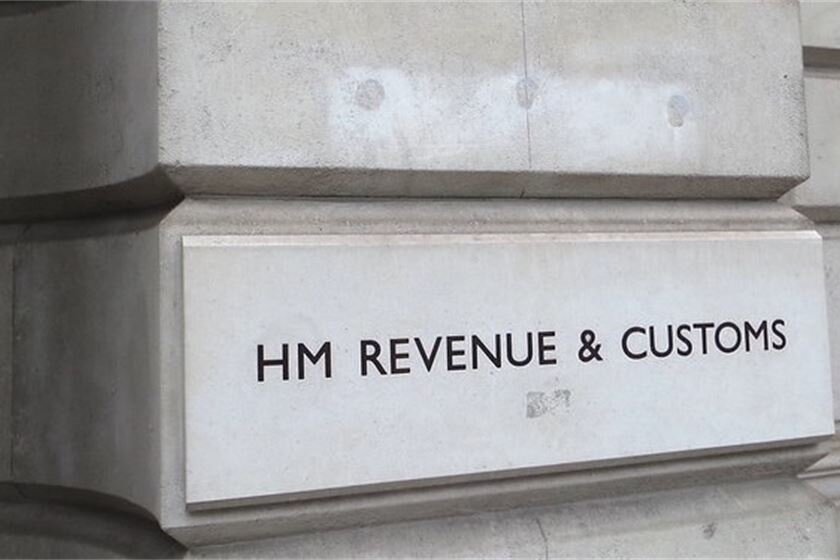
HMRC Debunks False Payslip Deduction Videos

HMRC Debunks False Payslip Deduction Videos
Charlotte Baroukh

Charlotte Baroukh

Tax Expert @ Pie

2 min read

Updated: 11 Dec 2025

2 min read

Updated: 11 Dec 2025

Introduction

Videos widely shared across social media platforms in late 2025 have falsely claimed that HM Revenue & Customs (HMRC) will begin deducting £90 per month from workers’ wages from January 2026 through a supposed “Debt Recovery Contribution.”


Officials and independent fact-checkers have dismissed these claims, confirming that there are no government plans for such a scheme. The allegations, which amassed significant online attention, have been labelled as misinformation during a period of heightened caution about digital hoaxes impacting the public.

False claims circulate on social media

A wave of videos, some presented in a style designed to mimic legitimate news broadcasts, have spread assertions that millions of UK employees would see an additional £90 monthly deduction from their payslips starting in January 2026.


These videos suggested only pensioners, larger families, and those receiving key benefits would be exempt, and claimed the deduction was being implemented to address the national debt. The content quickly gained traction online, generating hundreds of thousands of views across major social channels.


However, these reports triggered immediate scrutiny from public officials, financial experts, and fact-checking organisations.

No official plans for new levy

HMRC and the UK government have categorically denied any plans for a “Debt Recovery Contribution” or similar measure. Comprehensive searches of official records, including Parliament’s Hansard transcripts and government policy documents, reveal no mention or proposal of such a levy.


An HMRC spokesperson has confirmed there are “no plans for any such policy,” and government communication channels have reiterated that changes of this scope would require significant public consultation and legislative approval.

Fact-checkers confirm misinformation

Independent fact-checking organisations, including Full Fact, investigated the circulating claims and found them entirely unsupported by government sources. Full Fact stated, “There are no plans for any such policy,” and advised the public to rely on verified government communications.


These organisations stressed that significant changes to payroll deductions would be widely publicised through official channels and subject to Parliamentary oversight.

AI-generated hoax content identified

Experts analysing the videos observed that some content appeared to be generated or manipulated using artificial intelligence. Features such as atypical newsreader speech patterns and the digital replication of broadcast graphics suggested a coordinated effort to enhance apparent authenticity.


Marking a broader trend, such AI-enhanced hoaxes have begun to proliferate, leveraging increasingly realistic techniques to spread misinformation rapidly across digital networks. “Such delivery style and inflection indicate AI involvement,” one digital security specialist noted.

HMRC’s actual debt recovery powers

While HMRC is legally empowered to recover certain debts, current mechanisms are tightly regulated and do not permit broad salary deductions without due process. The “Direct Recovery of Debts” programme allows HMRC to recoup specific unpaid taxes directly from bank accounts in restricted circumstances, but only when debts exceed £1,000 and at least £5,000 remains after withdrawal.


Importantly, this scheme does not involve automatic monthly deductions from wages as alleged in the videos. Separately, the Public Authorities (Fraud, Error and Recovery) Act, recently enacted, increases powers to investigate benefit fraud and reclaim overpayments, not to impose blanket salary deductions.

Final Summary

The viral reports alleging HMRC will introduce a £90 payslip deduction from January 2026 have been formally refuted by both government officials and independent fact-checkers.


Current regulations do not support such deductions and no relevant legislation has been passed or proposed. These fabricated claims demonstrate the growing sophistication and reach of AI-generated misinformation. As digital hoaxes increase, financial agencies and verification organisations stress the importance of cross-checking claims with official data.


For further updates on personal finance, payroll changes, and digital literacy, individuals can consult reliable apps such as Pie for trustworthy guidance.

Want to get smarter about taxes?

The Tax Pible has tax tips, guides, video tutorials, and expert insights.


Stay up to date with the latest tax news and watch the UKs first tax podcast - the Piecast

Want to get smarter about taxes?
Whatsapp Pie Tax