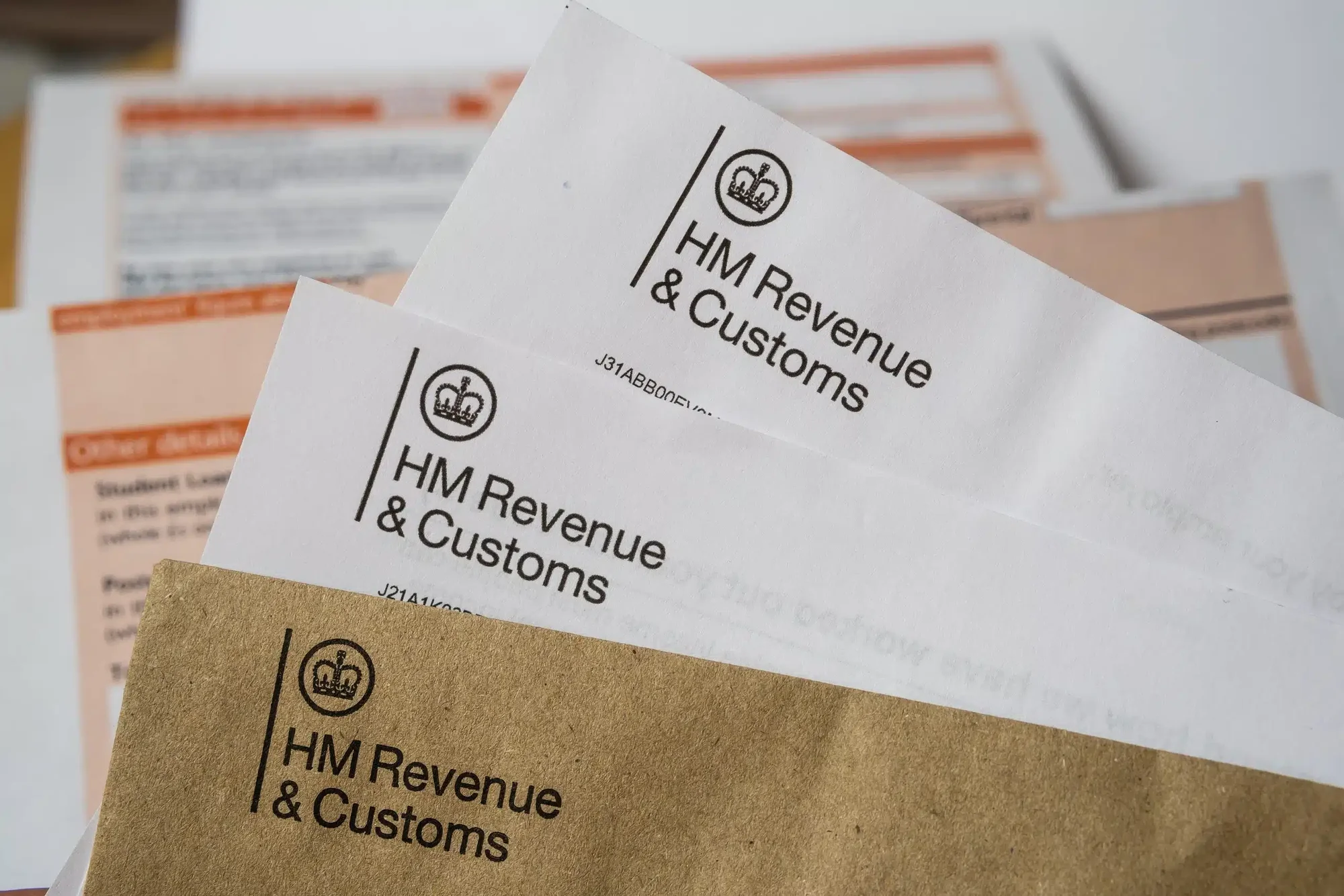
HM Revenue and Customs (HMRC) has cautioned UK taxpayers about common mistakes that can occur during the self-assessment process, specifically regarding the correct formatting in electronic tax return forms.
The warning comes as individuals routinely register for self-assessment to declare business or other non-PAYE income. HMRC responded to queries from taxpayers facing technical difficulties on the online portal, emphasising the importance of following specified guidelines to ensure a successful submission.
Importance of Accurate Self-Assessment Submissions
Each year, millions of taxpayers are required to complete self-assessment tax returns. HMRC has underlined that even minor errors during the online filing process can cause delays, particularly in sections requiring specific information such as business names.
Taxpayers are urged to strictly adhere to system parameters when entering business or trading names to prevent rejections or technical issues.
Common Errors in Business Name Entry
Recent reports have highlighted that some taxpayers encounter errors relating to punctuation when entering their business names during the registration phase. HMRC clarified that certain characters, such as semi-colons, are not permitted in these fields.
Instead, commas should be used when listing types of work or descriptive terms. This guidance aims to ensure seamless data processing and to avoid unnecessary complications during tax season.
HMRC Support for Taxpayers
When technical problems arise, HMRC has encouraged taxpayers to seek help through official support channels. In one example, HMRC advised a taxpayer to revisit the online form and remove restricted characters.
The agency also requested screenshots of error messages, with sensitive details concealed, to facilitate troubleshooting. This direct support is designed to resolve individual technical issues while protecting personal information.
Making Tax Digital and Its Scope
Making Tax Digital (MTD) is a government initiative aimed at transforming tax administration through digital record-keeping and submission. Under current rules, MTD for income tax will apply to self-employed individuals and those receiving property income whose gross annual income from these sources exceeds £20,000.
The phased introduction of MTD is intended to reduce errors and improve tax compliance in the digital age.
Voluntary Participation in Making Tax Digital
Taxpayers whose annual gross income from self-employment or property is £20,000 or less are not required to comply with MTD requirements at this stage.
However, HMRC has stated that individuals in this category may voluntarily adopt MTD practices if they wish. Voluntary participation is encouraged for those who prefer to manage their tax affairs digitally and may benefit from increased accuracy and efficiency.
Final Summary
HMRC’s recent communications underscore the necessity for accuracy and adherence to specified parameters when completing self-assessment tax returns. The agency remains committed to supporting individuals navigating online forms and the gradual rollout of Making Tax Digital.
Taxpayers are encouraged to consult HMRC support if they encounter technical challenges or require clarification regarding reporting requirements.
The evolving digitalisation of tax administration highlights the value of clear guidance and taxpayer awareness topics that can be further explored with contemporary tools such as the Pie app.