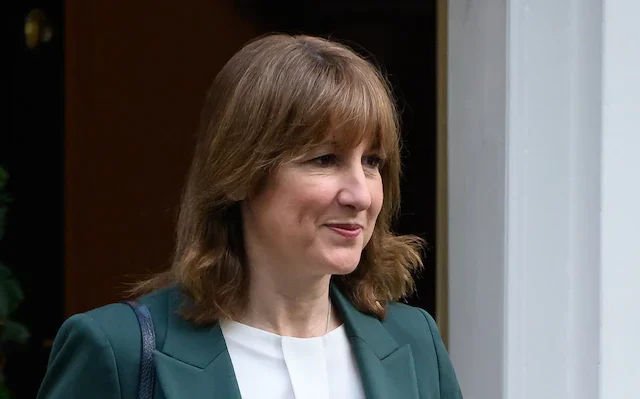
Reeves Disputes CBI Claims That Tax Changes Are Hurting Hiring

Reeves Disputes CBI Claims That Tax Changes Are Hurting Hiring
Charlotte Baroukh

Charlotte Baroukh

Tax Expert @ Pie

3 min read

Updated: 12 Dec 2025

3 min read

Updated: 12 Dec 2025

The UK’s largest business group has expressed concern that increased employer National Insurance contributions may place significant pressure on hiring across the country. The Confederation of British Industry (CBI) has highlighted that the recent £25 billion rise in employer National Insurance costs, combined with a higher minimum wage, could undermine government efforts to boost growth.


With unemployment now at 5 percent a level not recorded since the pandemic restrictions the CBI projects a subdued jobs market until at least 2027. Chancellor Rachel Reeves has disputed claims that government policies are reducing hiring, insisting that job numbers have in fact increased this year.

Business concerns about employment costs

The CBI has publicly raised concerns about the impact of recent fiscal measures on employer costs. Its latest economic forecast indicates that the heightened expense associated with National Insurance contributions, announced in the previous year’s Budget, is deterring private sector hiring.


The group’s analysis suggests that, despite government aims to stimulate employment, the added costs from wage and tax changes pose challenges for businesses looking to expand their workforce. Louise Hellem, chief economist at the CBI, noted conflicting effects of government initiatives.


She remarked, “The Government has an ambition to increase employment, particularly to tackle youth unemployment. But at the same time, we have seen additional costs on businesses and hiring… all adding to the cost of employment.”

CBI forecasts ongoing unemployment

In its forecast, the CBI anticipates that the unemployment rate will hold at 5 percent throughout the coming year and into 2027, before gradually falling to 4.8 percent by the end of that year.


The outlook indicates private sector job creation will remain restrained, with the organisation warning that new policies, such as the proposed Employment Rights Bill and changes to pension salary sacrifice, are likely to increase employment costs further.


The business group also highlighted that their projections are based on observed hiring trends since the Chancellor’s first Budget, referencing official employment data and reflecting shifts in the number of employees on payrolls.

Chancellor’s response to job market claims

Chancellor Rachel Reeves has rejected claims that recent budgets are responsible for stalling hiring activity. Addressing Members of Parliament this week, Reeves asserted, “The number of jobs has increased by 329,000 this year. That is the record of this Government getting people back into work”.


Her statement is based on official survey statistics, although payroll data has shown a decrease in employee numbers since her Budget announcement.


Amidst this debate, the Chancellor maintains that government measures are effective in promoting employment and supporting economic recovery, even as some business data points to differing trends.

Rising costs and policy contradictions

CBI analysis points to contradictions within government policy, where aspirations to raise employment run counter to increasing staff-related expenses. The organisation cites rising National Living Wage levels and increased employer tax liabilities as pressure points for businesses, particularly those contending with broader economic uncertainties.


Further cost rises may occur if new rules affecting pension contributions and other employment benefits are enacted. These shifts, according to the CBI, may further challenge employer capacity to recruit and retain staff.

Economic growth versus private sector weakness

Despite ongoing strains for businesses, the CBI has revised its economic growth forecast upward, now predicting GDP growth of 1.4 percent this year and 1.3 percent in 2026.


The upward revision is attributed to increased government spending, not necessarily to underlying strength in the wider economy. Ms Hellem explained, “Our revised growth forecast has mostly been driven by a near-term boost in government spending and investment rather than addressing the underlying challenges that are holding the rest of the economy back.”


The business group remains cautious about longer-term prospects, stressing that persistent headwinds including fragile demand, business investment slowdown, and high employment costs are likely to affect recovery.

Final Summary

The outlook for UK employment remains mixed as policymakers and business leaders debate the impact of new tax measures on hiring and growth. The CBI warns that higher costs stemming from both increased National Insurance contributions and wage changes could extend elevated unemployment rates and restrict private sector job creation in the medium term.


While the government points to positive trends in job numbers and economic growth forecasts, businesses remain wary of rising employment expenses and their long-term effects on investment. These developments are likely to shape the UK’s labour market and economic trajectory in the years ahead. For timely updates on policy and employment trends, resources such as the Pie app can provide ongoing coverage.

Want to get smarter about taxes?

The Tax Pible has tax tips, guides, video tutorials, and expert insights.


Stay up to date with the latest tax news and watch the UKs first tax podcast - the Piecast

Want to get smarter about taxes?
Whatsapp Pie Tax