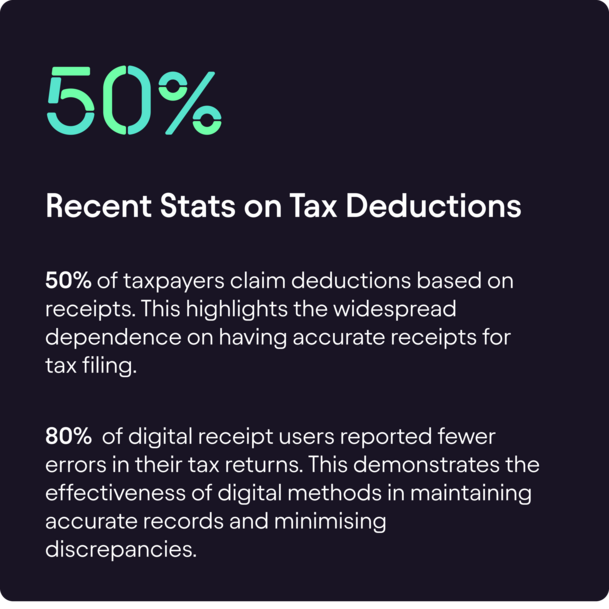
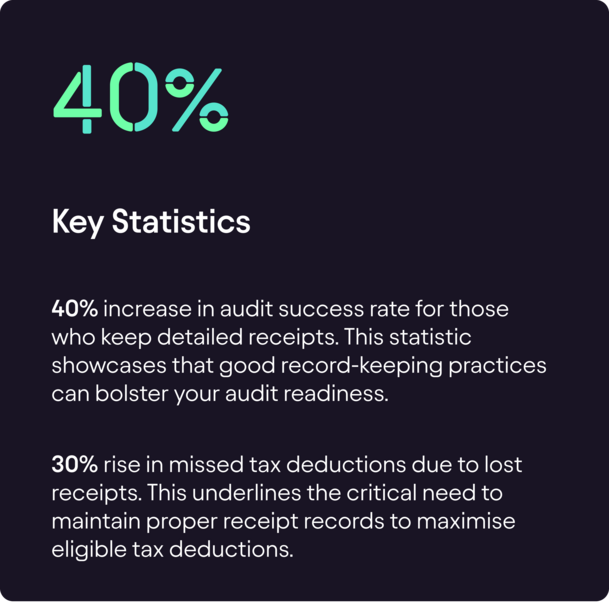
Maintaining a meticulous record of receipts is not just a best practice but a necessity for effective tax management. Receipts serve as concrete evidence of your transactions, especially important when you file your Self-Assessment tax return. With a structured system in place, taxpayers can claim all eligible expenses accurately, saving time and potentially reducing tax liabilities.
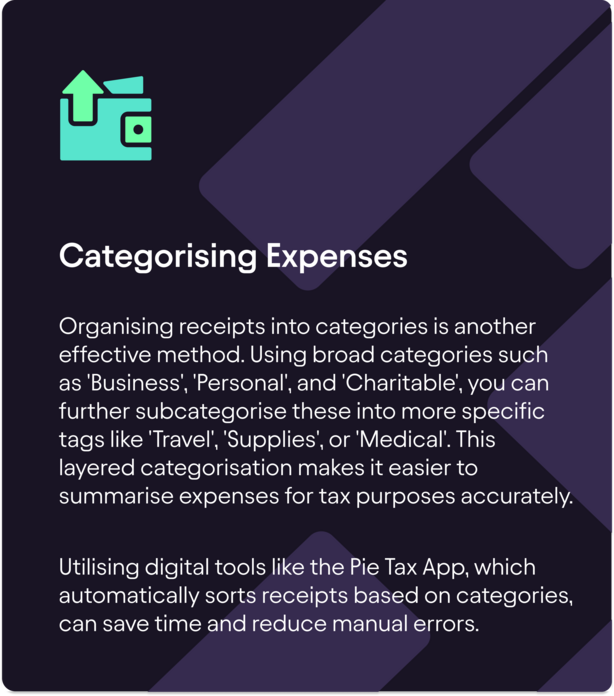
Moreover, keeping receipts prevents unnecessary complications. In case of an inquiry from HMRC, having a complete archive of your financial transactions ready can significantly ease the audit process. With digital tools and apps, like the Pie Tax App, managing and storing receipts has become seamless, ensuring you never miss out on important evidence for your tax filings.
Ultimately, understanding the importance of receipt management boils down to safeguarding against financial discrepancies, ensuring compliance with tax laws, and optimising your filing process. Taking proactive steps towards organised record-keeping can transform your tax season from a stressful ordeal into a manageable task.