The UK government has declared the cessation of business rates relief, a measure that was initially implemented to support hospitality businesses during the Covid-19 pandemic.
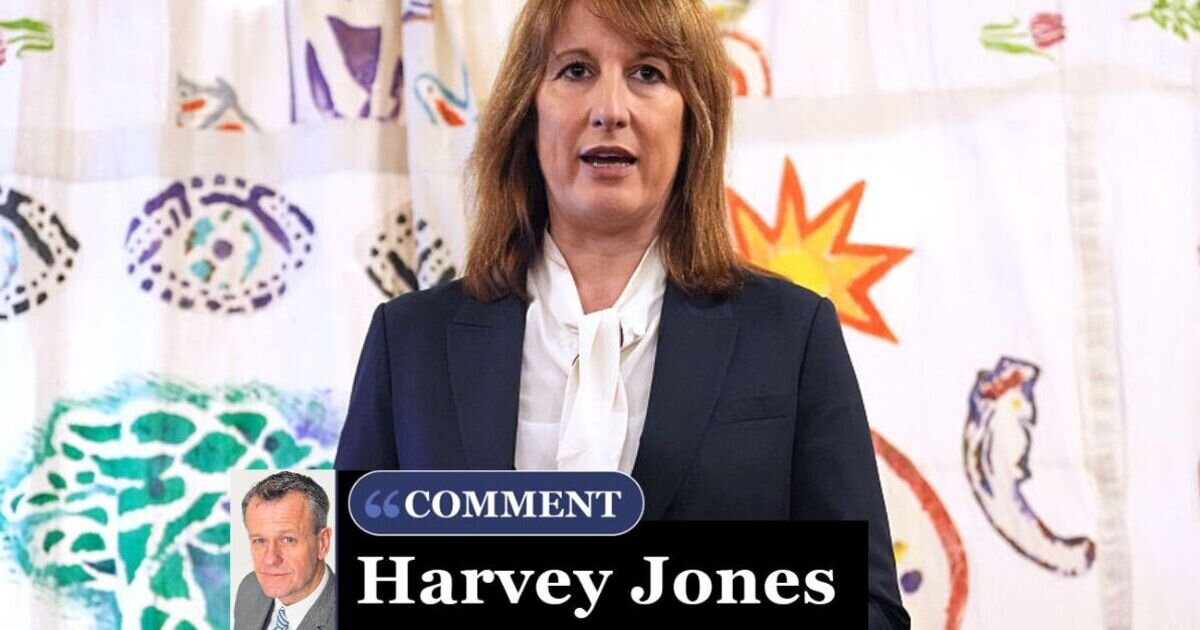
In her November Budget, Chancellor Rachel Reeves stated that the support would end in April, affecting thousands of establishments nationwide. Official Treasury communications indicate the decision is part of a broader effort to normalise economic measures post-pandemic.
However, many in the hospitality sector have argued that the timing coincides with wider financial difficulties, including the ongoing cost-of-living crisis.
Impact on the Pub Sector
Industry voices have warned of substantial negative impacts on pubs, with estimates suggesting that hundreds of venues could shut down as a result.
According to the British Beer and Pub Association, the end of the relief could place as many as 15,000 jobs at risk, as venues contend with increased business rates and other rising expenses.
Small, rural pubs that previously benefited from rates exemptions will, for the first time, face new costs. The sector has struggled in recent years with reduced footfall following the pandemic, as well as with higher energy bills and staffing costs.
Industry and Community Reactions
Publicans and local communities have expressed significant concern over the government’s decision. Industry bodies have publicly called for extended support or targeted measures to protect pubs and the jobs they provide.
Some pub owners have taken their campaign directly to Parliament, urging MPs to reconsider the changes. Reports have surfaced of heightened tensions, including instances where Members of Parliament have allegedly been barred from some pubs in protest.
These actions reflect the depth of feeling within communities over the perceived threat to vital social spaces.
Measures Offered by the Treasury
The Treasury has maintained that its transition arrangements, including a cap on next year’s business rates increases at 15 percent, will help buffer the impact on the sector.
Officials argue that such measures are designed to balance fiscal responsibility with targeted relief for vulnerable businesses.
However, industry representatives say these interventions may not be sufficient to offset the broader increase in operational costs, such as higher employers’ national insurance contributions and recent minimum wage rises.
Minimum Wage and National Insurance Increases
Alongside increased business rates, pubs are facing higher costs as a result of national policy changes. In the most recent Budget, the government announced further increases to the minimum wage and employers’ national insurance contributions, measures intended to support workers and public services.
While these policies are welcomed by many employees, sector leaders argue that the simultaneous withdrawal of support and higher staffing costs could intensify the financial challenges for pubs, particularly independent operators in rural and suburban areas.
Historical and Social Role of Pubs
Pubs have long held a central role in British society, providing spaces for community gatherings, employment, and tourism. Industry analysts note that the decline of the sector may have broader implications for rural economies and local cohesion.
Politicians often emphasise the value of pubs in public statements, affirming their importance to the national identity. However, community groups have stressed that policy decisions must go beyond rhetoric to provide real support for the sector.
Final Summary
The conclusion of business rates relief represents a critical juncture for thousands of pubs across the UK.
While the government emphasises fiscal responsibility and has introduced transitional assistance, many in the industry and wider community view the measures as inadequate given the broader economic climate and rising operational costs.
Observers note that without further intervention, the risk of significant pub closures and job losses remains high. The coming months are expected to be pivotal for the future of the sector, as businesses, policymakers, and community advocates seek ways to safeguard these longstanding pillars of British society.