Calls For Labour To Cut Taxes To Address Rising Living Sosts

Calls For Labour To Cut Taxes To Address Rising Living Sosts
Charlotte Baroukh

Charlotte Baroukh

Tax Expert @ Pie

3 min read

Updated: 10 Apr 2026

3 min read

Updated: 10 Apr 2026

The Labour Government has been urged to reduce a series of taxes as the cost of living crisis continues to affect households across the United Kingdom.


Prominent voices, including senior policy advisers and economic commentators, argue that immediate tax cuts are necessary to relieve mounting financial pressures on families.


These calls come amid ongoing concerns relating to the international economic climate and geopolitical tensions, which are seen to be contributing factors in the rising costs experienced by UK residents.

Calls for tax reform amid economic challenges

Brian Monteith, a former member of both the Scottish and European Parliaments and senior adviser to the Tax Reform Council, has publicly urged the government to consider significant changes to its tax policies.


Monteith stated that, in his view, current fiscal measures have exacerbated challenges for households and businesses striving to manage increased living costs.


He has argued for an urgent review of tax policy, proposing that instead of funding public support measures through heightened taxation or borrowing, the government should focus on cutting certain taxes.


Monteith’s intervention reflects growing tension within policy and political circles over the best approach to tackling rising inflation and energy prices.

List of taxes targeted for removal

Monteith has outlined eight specific taxes he believes the government should consider scrapping.


These are fuel duty, insurance premium tax, air passenger duty, landfill tax, aggregates levy, soft drinks industry levy, plastic packaging tax, and the energy profits levy.


Critics suggest that removing these taxes could lead to lower costs for consumers and businesses, as some of these levies are directly reflected in the prices paid by households and firms. However, others point out that tax revenues support essential public services, presenting a difficult balancing act for the government.

Political context and criticism of policy

Since taking office, the Labour Government has faced repeated claims from opposition figures and independent commentators that its policies have not sufficiently addressed the rising cost of living.


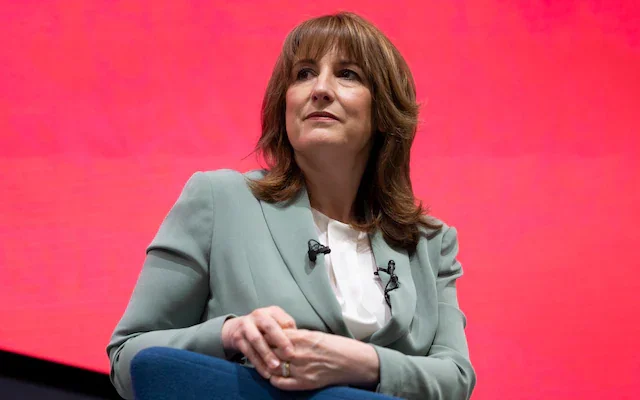
Monteith asserted that policy measures to date have not alleviated financial pressures and, in some instances, may have intensified them. Chancellor Rachel Reeves has previously outlined


Labour’s approach to fiscal policy, emphasising stability and public service funding. In contrast, calls from figures such as Monteith are part of a wider debate over prioritising immediate relief versus longer-term national investment.

International tensions affecting the UK economy

Recent international events, including heightened tensions in the Middle East, have added further complexity to the UK’s economic outlook.


Prime Minister Keir Starmer addressed concerns about the impact of global disputes, noting the role of major world powers in influencing energy prices and market stability.


In a recent interview, the Prime Minister reportedly expressed frustration with the effects of foreign policy actions on domestic energy bills, referencing the role of external actors in triggering fluctuations that affect both families and UK businesses.

Government responses to global economic impacts

A Downing Street spokesperson confirmed that Prime Minister Starmer has been engaged in discussions with global leaders regarding the situation in the Strait of Hormuz and the need to restore stability and ensure the free movement of trade in the region.


These events have direct implications for energy supply and prices in the UK. As diplomatic efforts continue, government ministers have reiterated commitments to coordinated international responses designed to manage risks to the economy and protect UK interests amid volatility.

Final Summary

Calls to cut taxes as a measure to ease the cost of living crisis highlight the difficult trade-offs confronting policymakers amid economic and geopolitical uncertainty.


While some advisers argue for immediate tax relief to benefit households and businesses, others caution that cutting essential revenues may undermine public service provision.


The wider context, including fluctuations in global energy prices and continued international tension, underscores the multifaceted nature of the pressures currently facing the UK economy.


As the government weighs its next steps, tools such as the Pie app can offer individuals practical assistance in navigating personal finance challenges.

Want to get smarter about taxes?

The Tax Pible has tax tips, guides, video tutorials, and expert insights.


Stay up to date with the latest tax news and watch the UKs first tax podcast - the Piecast

Want to get smarter about taxes?
Whatsapp Pie Tax