Let's Break it down
UK housing market conditions at the top end are facing renewed scrutiny as plans to introduce an annual tax on high-value properties advance. New figures indicate a notable decline in prime country house prices, while surveys show mounting concern among wealthy homeowners regarding property values and future tax liabilities.
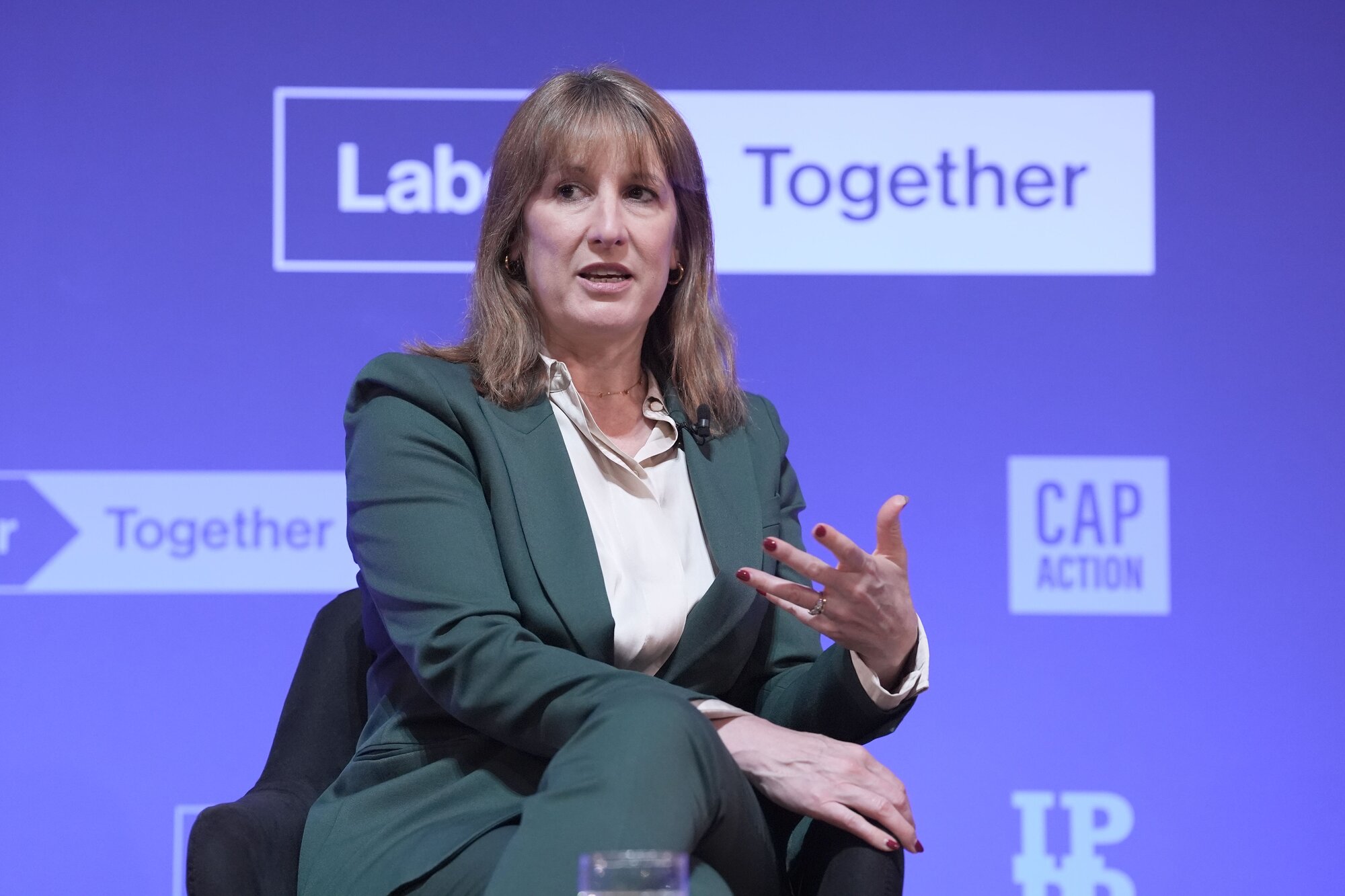
The policy, outlined by Chancellor Rachel Reeves and set for rollout in 2028, has triggered strong political debate as well as shifting sentiment within the property sector.
Market Performance Amid Tax Changes
According to recent figures from Savills, average prices for prime country houses have fallen by 7.8%, equating to a reduction of £363,500 in value. This decline is seen as part of a broader slowdown in the luxury property segment, with experts suggesting that policy uncertainty and taxation proposals are contributing factors.
Industry observers note that the announcement of new taxation measures comes at a time when the market is already contending with wider economic volatility and higher borrowing costs.
These elements combined are believed to be weighing on investor confidence and transactional activity in high-value segments of the housing market.
Wealthy Homeowners' Sentiment
A survey by wealth management firm Saltus, based on its Wealth Index study of 2,000 UK high-net-worth individuals, found that 46% are now concerned about the future value of their primary homes. The level of concern rises to 53% among London-based respondents.
Younger affluent homeowners, particularly those aged 25 to 44, expressed the highest anxiety, with 57% indicating unease about property value and potential tax implications.
The survey also reported that 44% of high-net-worth individuals who supported Labour in the 2024 election now regret their decision, attributing their change in view to the introduction of the proposed property tax.
Conservative Criticism of Labour’s Policy
The proposed annual surcharge, often described as a 'mansion tax,' has drawn criticism from opposition parties. David Simmonds, Conservative shadow housing minister, argued that government policy risks undermining the housing market.
He stated, 'After making a pledge to build 1.5 million homes a pledge that even they admit they will not hit they have driven down property prices with their endless taxes and red tape.' Simmonds further suggested that Conservative plans to reform stamp duty offer a better route to market stability.
Financial Experts on Property Wealth
Henrietta Grimston, chartered financial planner at Saltus, commented that property ownership is no longer seen as an unequivocal store of wealth among high-net-worth individuals.
'The combination of elevated mortgage rates, stamp duty changes, a potential mansion tax and geopolitical uncertainty has introduced a huge amount of anxiety, particularly among younger homeowners and those based in London,' she explained.
Grimston added that growing concerns about home values and rising tax burdens are prompting more affluent individuals to reconsider how much capital they retain in property and to assess the resilience of their financial plans.
Details of the Proposed Tax and Implementation Timeline
The government’s November 2025 Budget set out plans for a recurring annual charge on high-value properties beginning in 2028. The fee is scheduled to be collected by local authorities alongside existing council tax bills and will be set according to 2026 property valuations.
The charge is expected to range from £2,500 to £7,500 per annum, with exact brackets dependent on the final valuation thresholds to be determined during the consultation process. The government has committed to using revenue from the tax to support local services, with further funding allocations to be reviewed in 2027.
According to official documents, detailed consultation on the High-Value Council Tax Surcharge (HVCTS) will commence in the coming year. This process will determine final criteria, identify groups who may require additional support, and establish mechanisms for revenue collection.
The government has stated it will ensure local authorities are 'fully compensated for the additional costs of administering this new tax.' Stakeholder engagement will continue, with practical guidance and implementation details expected to emerge ahead of the tax’s formal introduction.

Final Summary
The introduction of an annual tax on high-value properties is contributing to a climate of caution within the UK luxury housing sector. With data showing falling prices and heightened concern among affluent homeowners, political debate continues regarding the optimal approach to supporting both market stability and public finances.
As consultations proceed and more details are finalised, homeowners, investors and local authorities will be watching closely for clarity on future obligations and market impacts. For ongoing updates on property tax and policy changes, the Pie app provides current insights for property owners and professionals.