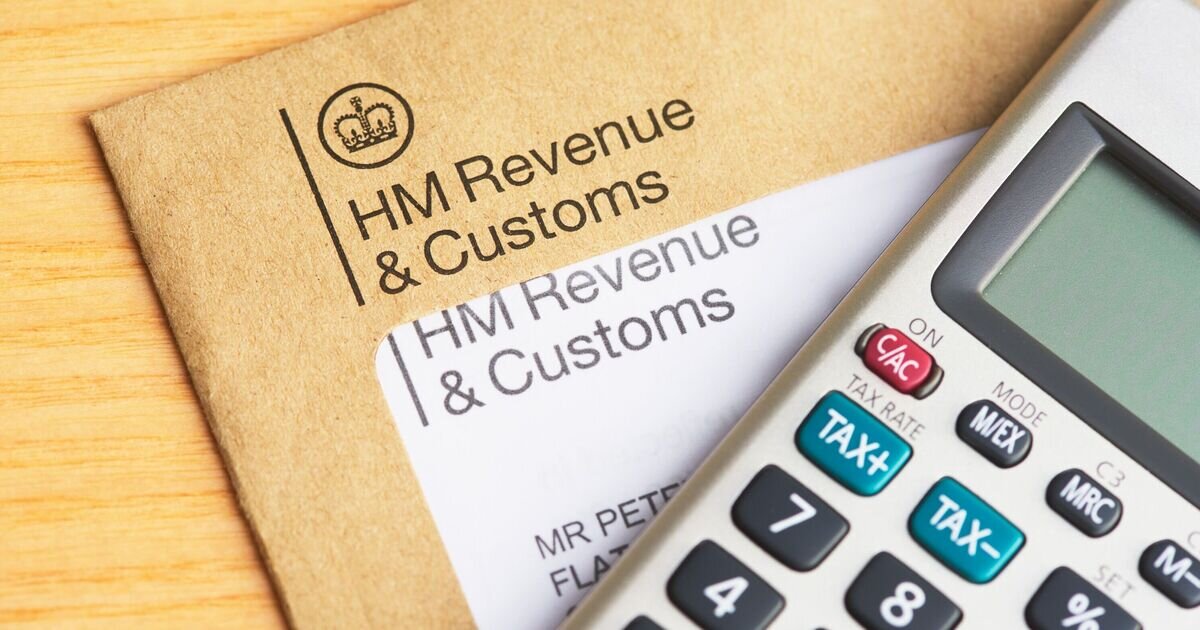
HM Revenue and Customs (HMRC) has issued a renewed warning to UK taxpayers who missed the 31 January self-assessment tax return deadline. With more than two million people reported as yet to submit their returns, HMRC is calling for immediate action to avert escalating penalties and interest charges.
The self-assessment system, which applies mostly to the self-employed and those receiving untaxed income, requires accurate and timely filing. Failure to meet deadlines can result in substantial fines, making prompt compliance essential for millions of taxpayers nationwide.
Self-assessment deadline prompts HMRC alert
The annual deadline for self-assessment tax returns fell on 31 January 2026. According to HMRC figures, more than 12 million individuals were required to submit their tax returns for the 2024/25 period.
As of late January, approximately two million filers had not completed the process. HMRC has made public appeals urging overdue taxpayers to file as soon as possible. In an official communication, HMRC reminded individuals, 'Anyone who missed the deadline should file their return as soon as possible to avoid any further penalties.'
Penalties escalate for late tax returns
An automatic penalty of £100 is issued immediately after the deadline to anyone who has not submitted their return. The costs mount the longer the delay: after three months, daily £10 fines can be levied up to a maximum of £900.
Further, after 12 months from the deadline, an additional penalty of either £300 or 5% of the outstanding tax whichever is greater may be imposed. This incremental penalty structure is designed to encourage taxpayers to resolve their obligations promptly and to deter late filing.
Financial repercussions for late payments
Penalties are not limited to late submissions. Taxpayers who fail to pay the tax owed by the deadline also face substantial additional charges. HMRC applies a 5% penalty to unpaid tax if still outstanding after 30 days, with further 5% penalties after six and twelve months.
In addition to these penalties, interest is charged on the overdue amount. The interest rate is regularly updated to reflect current Bank of England base rates, further increasing the potential cost for those who delay payment.
Support for taxpayers with valid reasons
HMRC considers reasonable excuses for missing the deadline, such as serious illness or bereavement. Taxpayers who believe they have a legitimate reason for late filing or payment are encouraged to contact HMRC as soon as possible.
If a reasonable excuse is accepted, the penalty may be waived. Despite this, the majority of overdue filers are urged to complete their returns quickly to avoid penalty accumulation. HMRC’s systems saw a significant increase in demand around the deadline, with its online support channels operating at over ten times normal capacity on 31 January.
Digital filing and who needs to submit returns
The self-assessment system mainly affects the self-employed, landlords, company directors, and individuals with untaxed income. Eligible filers are encouraged to use HMRC’s online portal, which allows for convenient digital submission.
HMRC has highlighted the importance of digital filing, indicating that the majority of returns are now completed online. Guidance and further information are available on the HMRC website, helping taxpayers efficiently complete their annual requirements.
Final Summary
With over two million people facing possible penalties due to missed self-assessment tax returns, HMRC continues to emphasise the importance of swift compliance. Automatic £100 fines are now in effect for late filers, with additional daily and percentage-based penalties for prolonged delays or non-payment.
Interest on overdue amounts adds further cost, making late compliance increasingly expensive. Support is available for those with valid reasons for missing the deadline, but most taxpayers are encouraged to file without delay. Amid heightened demand, online services remain the recommended option.
HMRC also warns of the risk of scams during this period, advising taxpayers to confirm the legitimacy of any communication. For further guidance on tax compliance, tools such as Pie app can offer helpful support features.