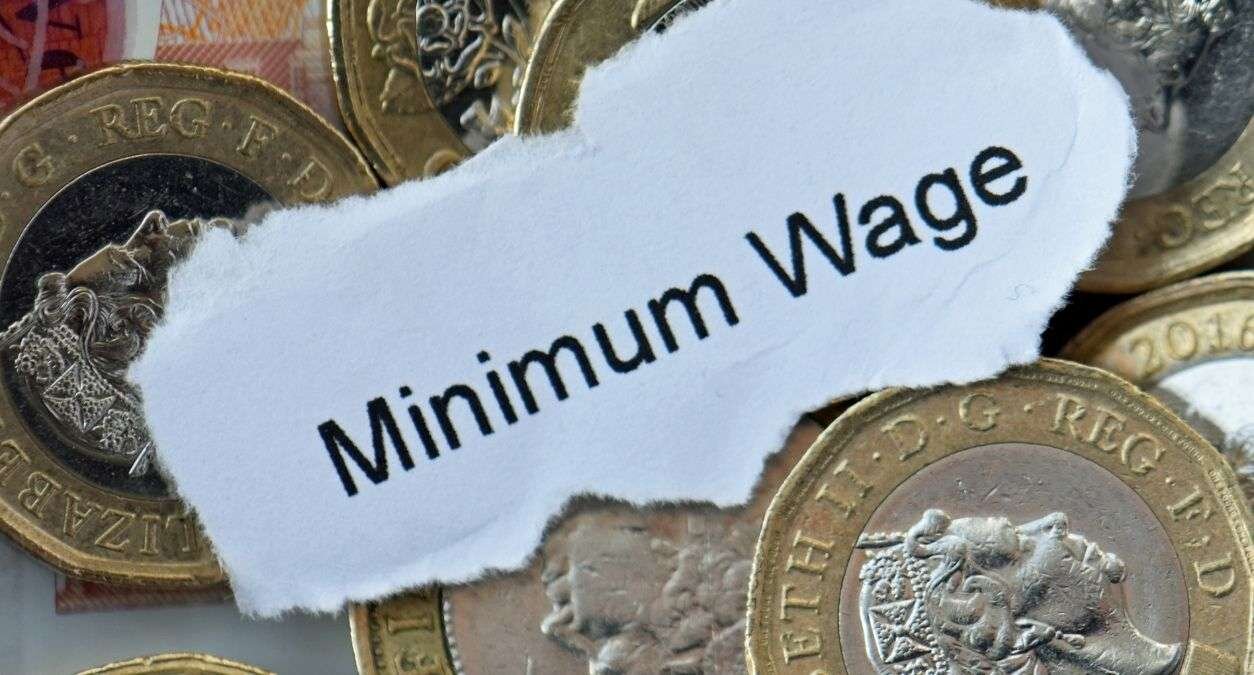
Employers Face HMRC Fines Over National Minimum Wage Breaches

Employers Face HMRC Fines Over National Minimum Wage Breaches
Charlotte Baroukh

Charlotte Baroukh

Tax Expert @ Pie

2 min read

Updated: 17 Apr 2026

2 min read

Updated: 17 Apr 2026

What you need to know...

HM Revenue and Customs (HMRC) has significantly increased enforcement action against employers in response to a sharp rise in reports of National Minimum Wage violations. Nearly 8,000 tip-offs have been received from employees alleging that their wages fall below statutory requirements.


This growth in complaints has led to an escalation in investigations and financial penalties, with key sectors such as retail and hospitality coming under greater scrutiny. The government's increased focus on wage compliance comes as new minimum wage rates are introduced, aiming to support the lowest-paid workers amid persistent cost-of-living pressures.

Surge in Worker Tip-Offs

Over the past year, HMRC has received 7,622 tip-offs regarding alleged underpayment of the National Minimum Wage by employers. This figure marks a 360% increase compared to 2020-2021, when only 1,656 reports were made.


The rise suggests a growing awareness among workers of their rights and a willingness to report potential breaches. Officials credit both heightened employee vigilance and ongoing economic pressures for the surge.


Increased public messaging around wage entitlements has also played a role in driving up reported cases.

HMRC Investigations and Penalties

Responding to this influx, HMRC launched approximately 1,200 investigations based on employee tip-offs in the last year. The revenue authority issued 355 financial penalties to employers, with total fines amounting to £2.4 million.


On average, each penalty equated to roughly £6,800. By comparison, in the preceding year, HMRC carried out 911 complaint-driven investigations and issued 332 penalties totalling £1.7 million. The increase in both investigations and penalties reflects a more robust approach to enforcement.

Sectors Under Scrutiny

Industry experts note that sectors reliant on lower-paid, frontline roles—such as retail and hospitality—are particularly affected by reports of minimum wage breaches.


Andrew Peters, partner at TWM Solicitors' employment law team, said that cost pressures on employers have contributed to the trend, commenting, 'We expect more businesses to be reported for failing to pay the national minimum wage as cost pressures continue to grow.


' Mistakes and misunderstandings can lead to underpayments, Peters noted, but he added these can often be corrected quickly. Nevertheless, repeated or deliberate breaches risk triggering substantial penalties.

Recent Minimum Wage Increases

From 1 April this year, the National Minimum Wage for 18–20-year-olds rose by 8.5% to £10.85 per hour. This adjustment narrows the gap between younger workers and the National Living Wage, aligning with the government's stated goal of moving towards a single adult pay rate.


For full-time workers in this age group, the rise translates into an annual pay increase of about £1,500. Meanwhile, the minimum wage for 16–17-year-olds and apprentices increased by 6%, reaching £8 per hour.

Expert and Union Commentary

The Trades Union Congress (TUC) has welcomed the government's progress on wage reforms. TUC General Secretary Paul Nowak said, 'With living costs stubbornly high, an above-inflation pay rise will make a real difference to the lowest-paid.


Putting more money in people’s pockets is good for workers and the wider economy as it goes straight back into local businesses.' Nowak also backed the planned removal of youth rates, arguing that younger workers 'deserve a fair day’s pay for a fair day's work' and should see continued benefit as wage bands are phased out.

Final Summary

The sharp increase in worker reports and HMRC enforcement actions underscores the government’s focus on ensuring all employees receive at least the National Minimum Wage. Higher wage rates for younger and apprentice workers, combined with more active monitoring and tougher penalties for non-compliant employers, reflect a shift towards broader wage protection.


Sectors facing high payroll costs are particularly exposed to regulatory scrutiny. These trends highlight the importance of timely compliance and worker awareness. For individuals and employers seeking clarity on wage regulations and compliance, helpful updates and resources are often available through digital platforms such as the Pie app.

Want to get smarter about taxes?

The Tax Pible has tax tips, guides, video tutorials, and expert insights.


Stay up to date with the latest tax news and watch the UKs first tax podcast - the Piecast

Want to get smarter about taxes?
Whatsapp Pie Tax