Which Forms and Records Your First Return Needs
The main return is the SA100. Self-employed people add self-employment pages: the short SA103S if turnover was under £90,000 and your affairs are simple, or the full SA103F otherwise. Landlords with UK rental income complete the SA105 property pages. Online, you don't pick forms yourself; your answers to the opening questions decide which sections appear.
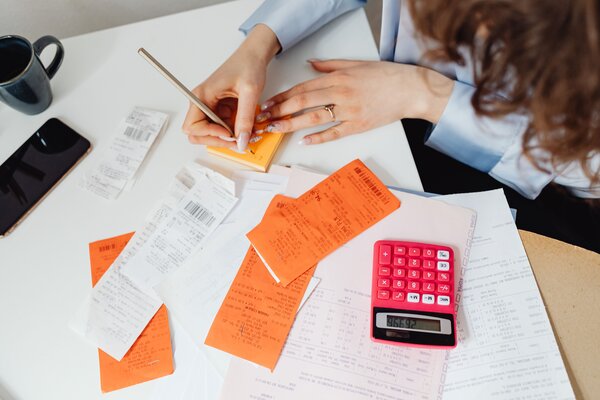
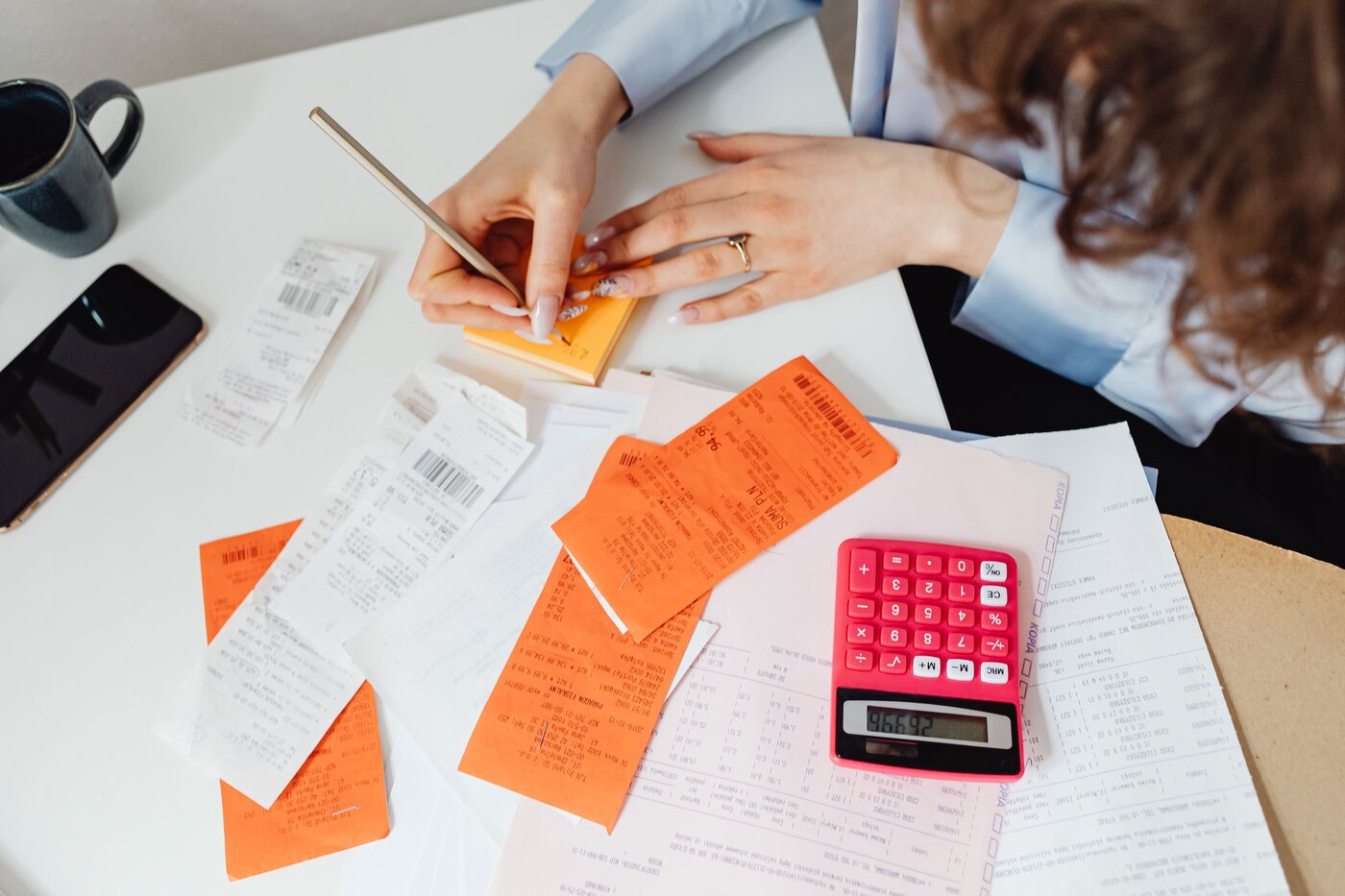
Before you start, gather a full tax year of records: sales invoices or payment records, bank statements, receipts for costs, rent received and letting agent statements, plus a P60 if you were also employed. Most new sole traders use the cash basis, which simply counts money when it actually comes in and goes out, and has been the default since the 2024-25 tax year. Keep records for at least 5 years after the 31 January filing deadline.
Claiming Allowable Expenses for the First Time
Allowable expenses are costs incurred wholly for your business, such as equipment, software, the business share of your phone and internet, insurance and business travel. They reduce your taxable profit, so first-timers who miss them often overpay. You can claim either your actual expenses or the £1,000 trading allowance, not both, so compare the two. For driving, simplified mileage lets you claim 45p a mile for the first 10,000 business miles and 25p after that; our guide to proving mileage to HMRC explains the records to keep.