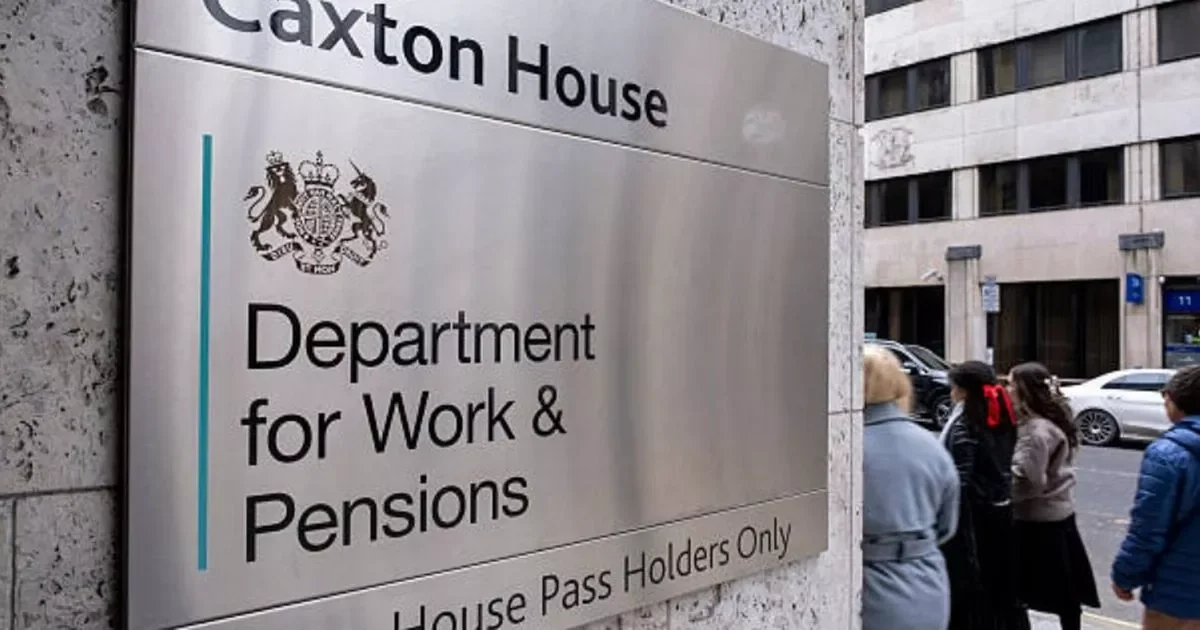
DWP Benefits Reform Triggers National Debate Over Fairness

DWP Benefits Reform Triggers National Debate Over Fairness
Charlotte Baroukh

Charlotte Baroukh

Tax Expert @ Pie

3 min read

Updated: 4 Dec 2025

3 min read

Updated: 4 Dec 2025

The Department for Work and Pensions (DWP) is facing renewed scrutiny over recent changes to the welfare system, following the Autumn Budget.


The reforms, introduced by the current Labour government, have prompted strong reactions from commentators and policy groups, who argue that the updated approach to benefits could lead to substantial income disparities between working and non-working families.


Concerns have been raised about the long-term impact of these policies on social cohesion and the country’s public finances.

Criticisms of Recent Welfare Spending

Following the government’s Autumn Budget, a number of critics accused ministers of excessive public spending on welfare and benefits.


Some commentators have argued that the scale of financial support introduced in the new reforms undermines work incentives and risks deepening divisions between different groups within society.

Analysis of Benefit Disparities

According to research by the Centre for Social Justice (CSJ), a family with three children, where at least one parent claims the average rate of Universal Credit, along with housing and health benefits, is expected to receive up to £46,000 annually by 2026/27.


This figure rises to £55,000 for larger families with five children. By comparison, government statistics indicate that a family with one adult in full-time work and another in part-time employment on the national living wage currently takes home around £28,000 after tax.

Financial Pressures on Working Families

The CSJ’s analysis suggests that to match the income of a three-child family receiving full benefits, a working family would now need a pre-tax income of approximately £71,000.


For families with five children, the required salary increases to around £90,000. These findings have prompted some commentators to question the structure of current policies.


One columnist remarked that this situation places an additional financial burden on working parents, who effectively subsidise families reliant on state support.

Policy Perspectives from Think Tanks

Joe Shalam, Policy Director at the CSJ, said, 'Work is the best route out of poverty, but our welfare system grows ever more riddled with perverse incentives that trap people on benefits and fail to help them towards financial independence.


He added that children are twice as likely to be in absolute poverty when they do not see a parent engaged in regular employment. The CSJ previously proposed reforms it claims could save £7 billion and enable further investment in NHS therapies and youth employment initiatives.

Historical and Political Context

The current debate over welfare spending follows a period of ongoing public concern about the long-term affordability and effectiveness of the benefits system.


Previous governments have grappled with balancing fiscal responsibility against the need to support vulnerable groups. The latest budget, which expanded welfare spending, has reignited discussions over the best way to achieve both social support and fiscal sustainability.

Final Summary

The debate over the fairness and sustainability of recent welfare reforms highlights the complexity of balancing social support with economic incentives.


As income disparities between working and non-working families are underscored by recent research, policymakers continue to face the challenge of designing a welfare system that supports vulnerable citizens without discouraging employment.


Ongoing analysis and calls for reform are likely to maintain pressure on the government to review current approaches. For readers seeking up-to-date financial guidance, the Pie app offers insights into the evolving landscape of welfare and public finances.

Want to get smarter about taxes?

The Tax Pible has tax tips, guides, video tutorials, and expert insights.


Stay up to date with the latest tax news and watch the UKs first tax podcast - the Piecast

Want to get smarter about taxes?
Whatsapp Pie Tax