Situations that trigger Self Assessment for pensioners
You’ll likely need to file a Self Assessment if you only receive the state pension and it exceeds your Personal Allowance (£12,570 for 2024/25). You may need to fill in a Self Assessment tax return if your income goes above certain thresholds. If your total income is above the allowance, you may owe tax.
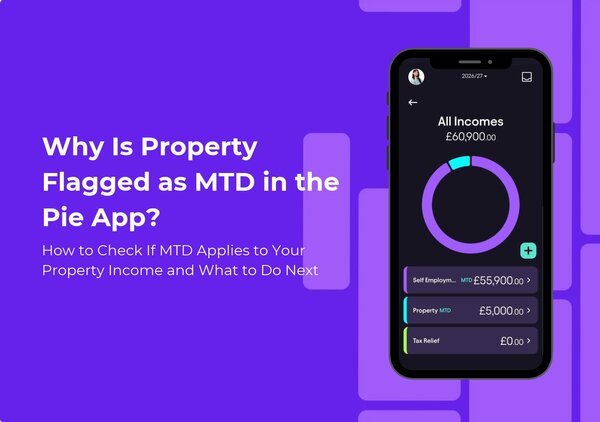
Having significant additional income from rentals, investments, or savings can also trigger the need for a tax return. If you are a landlord, you can often simplify this aspect of your self-assessment by using the Pie App to claim your property allowance and offset up to £1,000 of your gross rental income tax-free.
Having more income from different sources may result in paying more tax, especially if it pushes you into a higher tax bracket. If you have savings or investment income, you may qualify for certain tax reliefs or allowances depending on your income level.
HMRC might specifically ask you to complete a return, especially if they think you have untaxed income.
If you’ve recently started receiving your pension and had previous untaxed income, you might need to file.
Living abroad while receiving a UK state pension often means you’ll need to complete Self Assessment to sort out your tax affairs. Your pension income may still be subject to UK tax even if you live overseas.
My neighbour John recently moved to Spain and was surprised when HMRC contacted him about filing a return. He hadn’t realised his UK pension would still be taxable while living overseas.
How to register for Self Assessment
If you think you need to file, check using HMRC’s online tool first to confirm your situation.
You’ll need to register by 5th October after the tax year you need to report for (e.g., by 5th October 2025 for the 2024/25 tax year).
You can register online through the Government Gateway, by phone, or by post using form SA1.
When registering, have your National Insurance number, personal details, and information about your income sources ready. After registering, you may need to wait for HMRC to process your details or issue a tax calculation.
Once registered, you’ll need to file your return by 31st January after the tax year ends (online) or earlier for paper returns.
Alternatively, HMRC may issue a Simple Assessment if you meet certain criteria. In this case, some pensioners may be placed into the Simple Assessment system by HMRC, where they do not need to complete a full tax return and instead wait for HMRC to send a tax calculation after the tax year.
Completing your tax return for pension income
State pension income goes in the ‘Pensions’ section of your Self Assessment form.
Taxpayers must ensure all pension income is accurately reported on their Self Assessment form.
You’ll need to know the exact amount of state pension you received in the tax year. Check your bank statements or contact the Pension Service if you’re unsure.
Other pensions, like workplace or private pensions, also go in this section but in different boxes.
Keep records of all pension statements and any correspondence from pension providers or the DWP. If you use the Pie App to manage your broader financial landscape, remember to periodically refresh your bank transactions to ensure all income and expense figures remain accurate and up to date before final submission.
If completing a tax return feels overwhelming, tax charities like Tax Aid or Tax Help for Older People offer free assistance to eligible pensioners.