Introduction
Clamart, a recently developed suburb eight kilometres southwest of Paris, stands out as a case study in successful urban planning and community development.
Designed with both social integration and aesthetic quality in mind, Clamart Panorama has attracted residents seeking a balanced lifestyle with access to modern amenities and convenient transport. The town contrasts sharply with the challenges faced by recent UK new-build communities and has become a focal point in discussions about improved housing policy and urban development.
Clamart: Town Planning and Community Integration
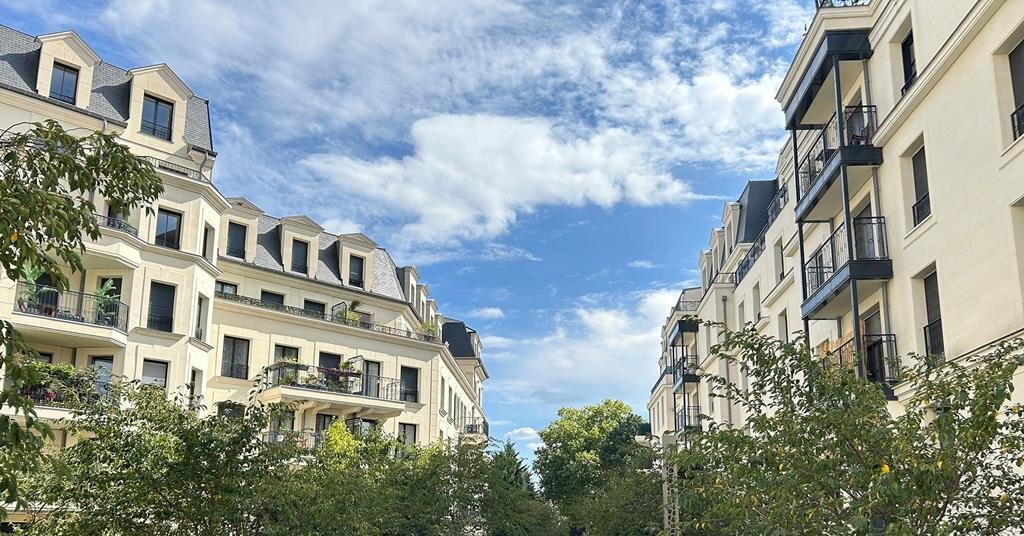
Clamart Panorama was developed on a former brownfield site and began construction in 2017 as part of wider efforts to alleviate housing pressure in Paris. The area is planned to accommodate approximately 5,000 residents and is expected to reach full completion by early 2027.
The project places significant emphasis on accessibility, with schools, parks, restaurants, local shops, and a tram line facilitating straightforward commutes to central Paris. The integration of a diverse community has been central to Clamart’s design.
Approximately 30 percent of its apartments are designated affordable, dispersed alongside private dwellings within the same buildings. This blend has fostered a cohesive, mixed community and encouraged interaction among residents from various backgrounds.
Architectural Approach and Housing Diversity
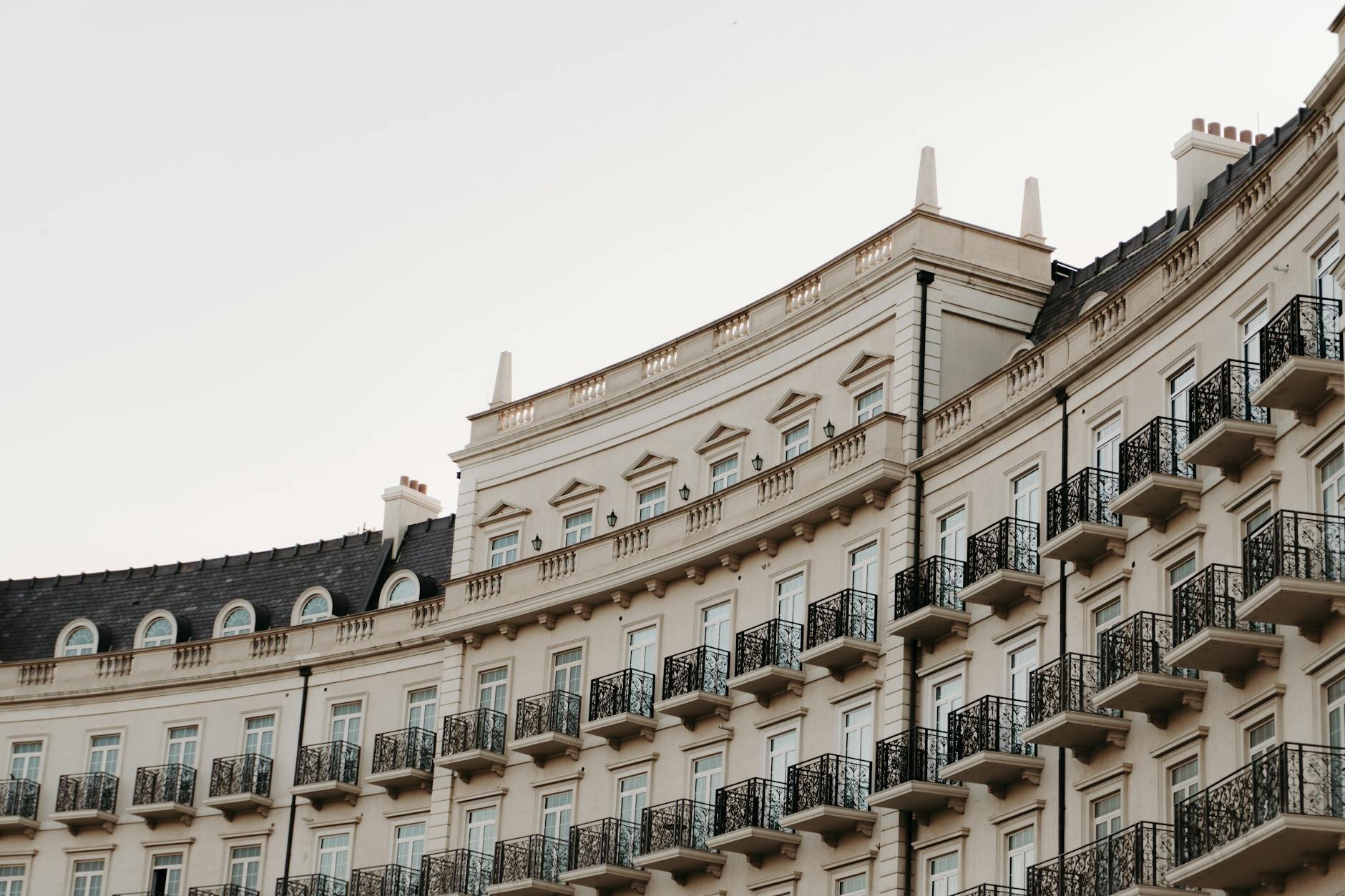
Clamart’s architecture draws inspiration from Paris’s 19th-century mansion blocks, offering mid-rise residential buildings that distinguish the townscape from traditional low-rise developments common in the UK. Notably, these mid-rise structures are more space-efficient and support higher population density, which in turn enables developers to dedicate more land to green spaces and communal amenities.
Policy experts note that this model contrasts with UK developers’ preference for detached or semi-detached houses and bungalows. 'We idealise culturally in this country the idea of a house far more than the idea of a flat,' said Ike Ijeh of the think tank Policy Exchange, highlighting a fundamental difference in housing preference and urban form between the UK and continental Europe.
Amenities and Lifestyle in Clamart
Clamart residents benefit from an array of amenities integrated at street level within residential blocks. Local businesses thrive, with establishments such as wine bars, bakeries, and restaurants regularly attracting large numbers of residents and visitors. Adrien Lorente, proprietor of the wine bar La Cave Lelay, reported consistently high demand, with customers regularly required to book in advance.
Shared green spaces, comprehensive cycle routes, and a leisure lake provide opportunities for recreation and social engagement. Residents describe an active community life with clubs, societies, and regular everyday interactions that reinforce a sense of belonging and vibrancy.
Comparison with British New-Build Developments
Recent new-build developments in the UK have often been criticised for lack of community infrastructure and insufficient character. According to a 2023 survey by the Chartered Institute of Building, 40 percent of Britons believe new-build housing lacks character, and a third consider build quality inadequate.
Towns such as Ebbsfleet in Kent and Sherford in Devon have faced public backlash due to the absence of basic amenities and slow emergence of a sense of place.
Developments have acquired nicknames such as 'ghost towns' or 'dystopian', pointing to issues arising from homes-first, amenities-later planning strategies. This context shapes the debate as the Labour Party pledges to build 1.5 million homes through 12 new towns by 2029.
Urban Planning Structures: France versus the UK
A notable distinction between France and the UK is the authority vested in local governance. In France, mayors have significant powers to shape development, including acquiring land at lower cost, setting masterplans, and holding developers to design standards.
Clamart represents a case where collective vision guided by the mayor resulted in cohesive and attractive urban outcomes. By contrast, in the UK, planning decisions are made by committees, often leading to greater negotiation and dilution of original masterplans.
French local governments have been able to secure land, reinvest sale proceeds in services, and ensure adherence to design codes, as demonstrated in the development of both Clamart and neighbouring Le Plessis-Robinson.
Final Summary
Clamart stands as a prominent example of European urban planning that balances density, amenities, and diverse housing with effective local governance. Its design and delivery, achieved largely through the influence of local mayors and adherence to a cohesive vision, contrast with many recent UK initiatives that struggle with low density, insufficient amenities, and lack of community integration.
While Clamart’s neo-traditional aesthetic is subject to debate, the overall resident satisfaction and community life demonstrate the benefits of a well-executed masterplan. As Britain seeks new solutions to its housing challenges, Clamart’s model offers insight into integrated town planning. For those interested in housing market developments and urban planning trends, tools such as the Pie app can provide ongoing analysis and updates.