What you need to know...
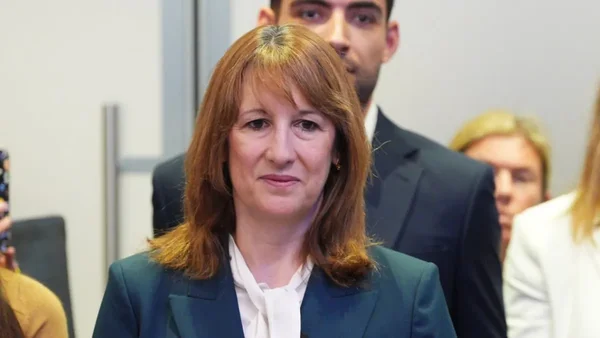
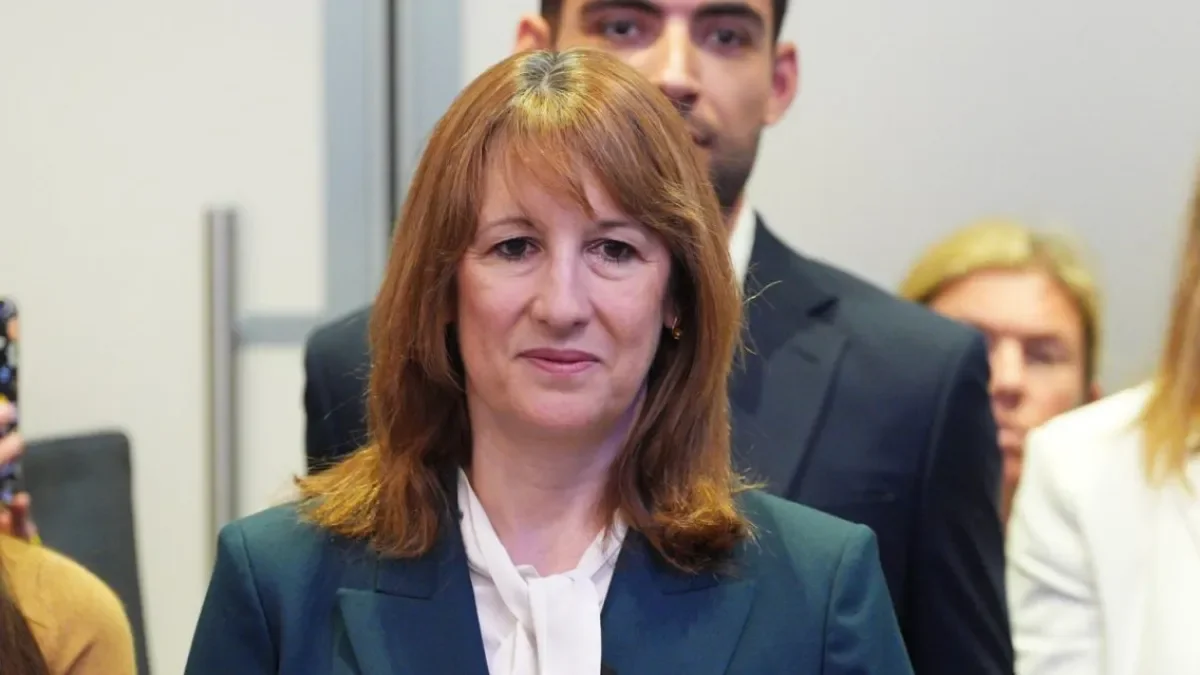
Savers placing money into cash ISAs face significant changes following new measures introduced by the Chancellor, Rachel Reeves. From April 2027, the cash ISA annual allowance will fall from £20,000 to £12,000.
The reform, aimed at encouraging more savers to invest in stocks and shares ISAs, is expected to generate an additional £100 million for the Treasury over five years. This move has led to concerns about increased tax liabilities for risk-averse savers and criticism from both industry professionals and Parliamentarians over the complexity and lack of clarity in the proposed rules.
Chancellor’s ISA Reforms Face Scrutiny
The Government’s latest reform will see the annual cash ISA limit reduced to £12,000 while retaining the existing overall ISA allowance of £20,000. The changes were outlined in the recent Budget, with the rationale of encouraging savers to shift from cash holdings into investment products, which carry higher risk but may deliver stronger long-term returns.
Parliamentary scrutiny has followed. Dame Meg Hillier, Chair of the Treasury Committee, stated, “It’s deeply concerning that almost six months later, there is still no clarity,” highlighting ongoing uncertainty for financial institutions and savers alike.
Hillier also pressed for an official definition of ‘cash-like’ investments, which are set to be excluded from stocks and shares ISAs under the reforms.
Treasury Stands By New Allowance Structure
The Treasury has affirmed that the broader savings package is not projected to increase net tax revenue overall. However, official estimates suggest the new cash ISA regime will raise £100 million for the Treasury over five years, as some savers are expected to exceed the reduced limit and therefore incur taxes on interest.
A Treasury spokesperson stated, “The vast majority of savers will continue to pay no tax on their savings. These reforms are about getting more people investing for better long-term returns.”
Officials confirmed that the Government is working at pace with HMRC and industry representatives to finalise the detailed rules and will provide further updates following public consultation.
Industry Responses and Timeline Uncertainty
Leading voices in the financial sector have described the process as slow and lacking in transparency. There is particular confusion about what constitutes a ‘cash-like’ investment and how to prevent circumvention of the new cash ISA cap by using alternative investment vehicles offering similar risk profiles.
Industry sources have expressed frustration at the absence of detailed guidance, emphasising that regulatory clarity remains elusive as the 2027 implementation date approaches.
The consultation period has been welcomed in principle, but several stakeholders assert that the absence of defined rules risks undermining public confidence and making it more difficult for consumers to plan their savings and investment strategies.
Political Reaction to ISA Changes
Political debate has intensified around the reforms. Sir Mel Stride, the shadow Chancellor, accused the Government of “punishing hardworking people for doing the right thing: saving for a home, for their family, or for a secure retirement.
” He warned that the change could “undermine confidence” in the savings system and send negative signals to those aiming to build a financial safety net.
Labour representatives support the ambition to boost participation in longer-term investment but caution that excessive complexity and delays in clarifying the rules may deter consumers from engaging with the system as intended.
Details on Allowance Limits and Consultations
From April 2027, the cash ISA limit will be set at £12,000 per tax year, while the stocks and shares ISA limit remains at £20,000. Savers may continue to split savings between the two types, up to the total annual allowance.
The Treasury has indicated that further details, especially on anti-circumvention measures and eligible investment definitions, will be subject to consultation and published guidance ahead of implementation.
The phased introduction and staged revenue impact rising to a projected £45 million net Treasury gain in the 2030–31 financial year reflect estimates of saver behaviour given the new limits.
Final Summary
The forthcoming reduction in cash ISA limits, scheduled for April 2027, marks a significant shift in UK savings policy. While the Government maintains that the majority of savers will remain unaffected by tax on interest, critics caution that the lack of clear implementation details may deter both industry and consumers from adapting.
Parliamentary and industry calls for greater transparency and simplicity remain unanswered as the Treasury consults on technical rules and debate underscores wider questions over how best to balance financial inclusivity, fairness, and economic ambition within the UK savings landscape.
ISA savers and industry stakeholders may benefit from monitoring developments and consulting professional resources, including tools such as Pie, as further information emerges.