What you need to know...
The renewable energy sector is booming, and electricians are at the heart of this green revolution. But with growth comes complexity especially when it comes to tax compliance. Making Tax Digital electrician renewables requirements can seem overwhelming at first.
The good news? It's more straightforward than you think. In this article, we'll cover everything you need to know about MTD compliance specifically for electricians working in renewable energy projects.
What Does Making Tax Digital for Electrician Renewables Actually Mean?
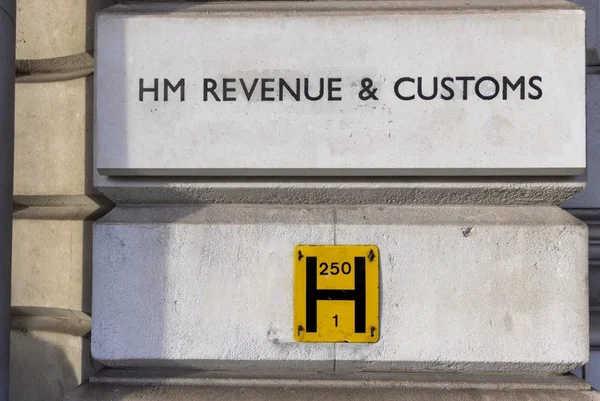
Making Tax Digital (MTD) is HMRC's way of bringing the UK tax system into the 21st century. For electricians working in renewables, it means keeping all your VAT records digitally. No more shoeboxes full of receipts or paper invoices scattered across your van.
Everything needs to be recorded and submitted through approved software. This includes your solar panel installations, wind turbine work, and heat pump projects. The days of manually filling out VAT returns on HMRC's website are over.

Do I Need to Follow MTD Rules?
If your annual turnover exceeds £85,000, you're in the MTD club. This includes all your electrical work not just the renewable stuff. Many electricians hit this threshold faster than expected, especially with large solar farm contracts.
Even sole traders need to comply if they're over the limit. Subcontractors on big renewable projects often find themselves there without realising it. Skip compliance and you're looking at penalties starting from £200.
Which Software Should I Use?
Finding the right software doesn't have to be a headache. Look for HMRC-approved options that understand construction work. You'll want something that handles job costing for individual solar or wind projects.
Mobile apps are brilliant when you're stuck on a windy hillside installing turbines. Some software even calculates different VAT rates for renewable installations automatically. While free options exist, paid versions often save you time when things get tricky.
I remember struggling with spreadsheets before switching to proper MTD software. The difference was night and day especially when managing multiple renewable projects simultaneously. Now everything syncs automatically, saving hours each month.

How Do VAT Rates Work for Renewable Projects?
VAT rates in renewables can be a bit of a puzzle. Commercial solar installations? That's usually the standard 20% rate. But domestic energy-saving materials might qualify for just 5%.
Some installations for charities or community buildings could even be zero-rated. Mixed projects need careful splitting between different rates. Always keep clear notes about which materials qualify for reduced rates.
What Records Do I Need to Keep?
Digital record-keeping sounds scary, but it's actually quite simple. Every invoice you create needs to go through your MTD software. Additionally, snap photos of receipts with your phone most software accepts these.
Time sheets for renewable projects should link to your accounting system. Keep detailed records of materials, especially when VAT rates vary. Furthermore, your bank statements should sync automatically with your chosen software, helping you manage CIS van expenses for retrofit contractors more efficiently.

Making the Switch Without the Stress
Start early don't wait until the last minute. Pick a quiet period to set up your new system properly. Create templates for your most common renewable job types.
Train any staff or family members who help with admin. Test everything with a couple of small projects first. Getting professional help for setup can save headaches later.
Common Pitfalls to Avoid
Many electricians make similar mistakes when starting with MTD. The biggest one? Forgetting to record cash purchases for small renewable components. These add up quickly and affect your VAT calculations.
Another common error is mixing personal and business expenses. Keep separate bank accounts for your renewable work. This makes MTD compliance much simpler and reduces errors during submissions.

Benefits Beyond Compliance
MTD isn't just about avoiding penalties. Digital records help you track which renewable projects are most profitable. You'll spot trends in material costs and labour time more easily.
Many electricians find they can quote more accurately after a few months. The data shows exactly how long different renewable installations take. This leads to better pricing and improved cash flow.
Preparing for Future Changes
HMRC plans to expand MTD to other taxes eventually. Income tax and corporation tax will likely follow. Starting with VAT now prepares you for these future requirements.
The renewable sector moves fast, and tax rules often follow, particularly for roles like CIS retrofit roofer insulation contractors. Staying digital-ready means you can adapt quickly. New incentives or rate changes won't catch you off guard.

Getting Support When You Need It
Don't struggle alone with MTD compliance. HMRC offers free webinars specifically for construction trades. Many focus on renewable energy VAT issues. Your software provider should offer training too. Most include video tutorials covering renewable project scenarios.
Additionally, accountants specialising in construction can provide valuable guidance.
Final Summary
Making Tax Digital compliance doesn't have to slow down your renewable energy business. The right software and processes actually make managing multiple projects easier. Start preparing now, even if you're not quite at the threshold yet.
Ready to simplify your tax life? Pie is the UK's first personal tax app, dedicated to helping working individuals overcome their tax burdens. It stands out as the only self assessment solution that offers integrated bookkeeping, real-time tax figures, simplified tax return processing, and timely expert advice. Visit Pie tax today and see how easy tax compliance can be.