UK Tax Receipts Hit New High As Business Levies Surge

UK Tax Receipts Hit New High As Business Levies Surge
Charlotte Baroukh

Charlotte Baroukh

Tax Expert @ Pie

2 min read

Updated: 23 Apr 2026

2 min read

Updated: 23 Apr 2026

What you need to know...

HM Revenue & Customs (HMRC) has reported record tax revenues for the 202526 financial year, driven by increases in business taxes and continued tax threshold freezes. The total tax take for the period reached £938.8 billion, up £63.8 billion from the previous year.


These developments come in the context of ongoing changes to fiscal policy, with the government seeking to balance increased public spending with sustained revenue growth.


The figures accompany warnings from economic bodies regarding the broader implications of rising corporate and personal taxation, as well as the social and economic effects on employment and household finances.

Overview of UK tax revenue growth

The 202526 tax year saw UK government tax income reach the highest level on record. HMRC collected £938.8 billion, a notable increase from the prior year. Of this amount, £552.8 billion was derived from income tax, capital gains tax, and National Insurance contributions.


Public sector borrowing also saw movement, with figures indicating total borrowings dropped to £132 billion in the year to March 2026. Policymakers have cited these figures as evidence that recent tax measures are helping to underpin public finances during a period of fiscal expansion.

Impact of business tax changes

A key driver of the growth in tax receipts has been changes to corporate taxation, including a rise in employer National Insurance contributions (NICs). As of April 2025, employer NICs increased from 13.8% to 15%.


Moreover, the threshold for employer contributions was lowered, amplifying the impact on operating costs for businesses. Business tax revenues surged to £101.4 billion in 202526, up from £97.5 billion in the preceding year, representing the highest level ever recorded.


The government argued that these measures were necessary to maintain fiscal sustainability, though they have been met with some criticism from business groups and international organisations.

Income tax and National Insurance trends

In addition to changes affecting employers, the government extended the freeze on personal income tax thresholds meaning that as nominal wages rise, more individuals are pulled into higher tax bands.


This policy is estimated to significantly boost revenue, as fiscal drag increases the effective tax burden for a broader segment of the population. The Organisation for Economic Co-operation and Development (OECD) has warned that the scale of tax increases on employment in the UK over recent years ranks among the highest in developed economies.


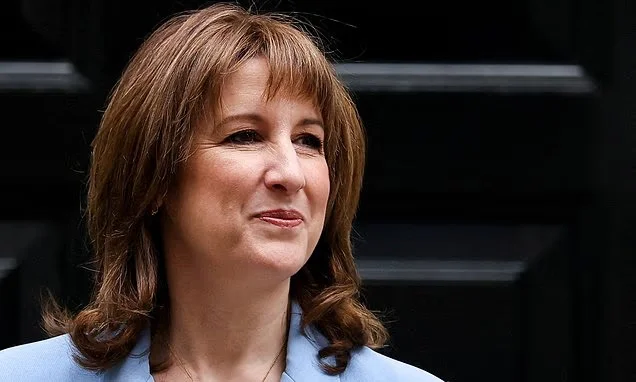
Rachel Reeves, Chancellor of the Exchequer, has defended the measures as a response both to economic conditions and public funding needs.

Inheritance tax and capital gains receipts

Inheritance tax (IHT) receipts reached a record £8.5 billion in 202526, an increase of £200 million on the previous year. This is largely attributed to the ongoing freeze of the nil-rate bands for inheritance tax at £325,000 and the residence threshold at £175,000, both fixed until 2031.


Rising property values have further expanded the number of estates affected. Additional changes to agricultural property and business reliefs, introduced from April 2026, are expected to broaden the scope of inheritance taxation. From April 2027, unused pension pots will be included in the IHT regime, a move anticipated to further boost receipts in future years.


Capital gains tax receipts have also shown a marked increase, reaching £22.2 billion up from £13.7 billion the previous year. This rise is linked to policy changes including a reduction in the annual exemption allowance from £12,300 to £3,000 and an increase in headline rates on most gains.


Rachael Griffin, a tax expert, noted that many investors took the opportunity to realise gains in response to the policy changes, which may have contributed to the especially high receipts observed.


Unemployment and business reactions

Business groups and tax experts have raised concerns regarding the rising burden of employment taxes. According to Sue Robinson, head of employment tax at advisory firm Ryan, unemployment rose by 0.8 percentage points over the past year, equating to an estimated 300,000 job losses.


The headline unemployment rate stood at 4.9% in February 2026, down from 5.2%, but accompanied by a fall in the employment rate and a rise in inactivity. Robinson commented, “Increased employer costs can’t simply be blamed on global headwinds when unemployment rises.


Government decisions, specifically NIC rises, ultimately impact how many people businesses can afford to employ.” Some economists now forecast that unemployment could reach 2.1 million in the coming year.

Final Summary

The latest figures show UK tax revenues reaching their highest levels, primarily owing to reforms in employer National Insurance and continued freezes in tax thresholds. Business taxes, inheritance tax, and capital gains tax all returned significant year-on-year increases.


The policy direction has drawn comment from international organisations such as the OECD, with concerns voiced about rising unemployment and business pressures. As the government weighs its fiscal approach in the face of ongoing economic headwinds, the impact on jobs, household finances, and the broader business climate will remain under close observation.


For those interested in tracking the latest trends in personal and public finances, the Pie app offers a range of non-partisan financial insights and updates.

Want to get smarter about taxes?

The Tax Pible has tax tips, guides, video tutorials, and expert insights.


Stay up to date with the latest tax news and watch the UKs first tax podcast - the Piecast

Want to get smarter about taxes?

File your Self Assessment - For FREE

Manage your self-assessment in one, easy to use App

  • Save money, time and effort with Pie

  • Add multiple incomes and view your tax in ‘Real Time’

  • File directly to HMRC - for FREE

File your self assessment - for Free

The Free Self Assessment App.

logologo
Want regular updates from us?

Want regular updates from us?

Sign up for regular tax tips and news sent straight to your inbox.

Whatsapp Pie Tax