What you need to know...
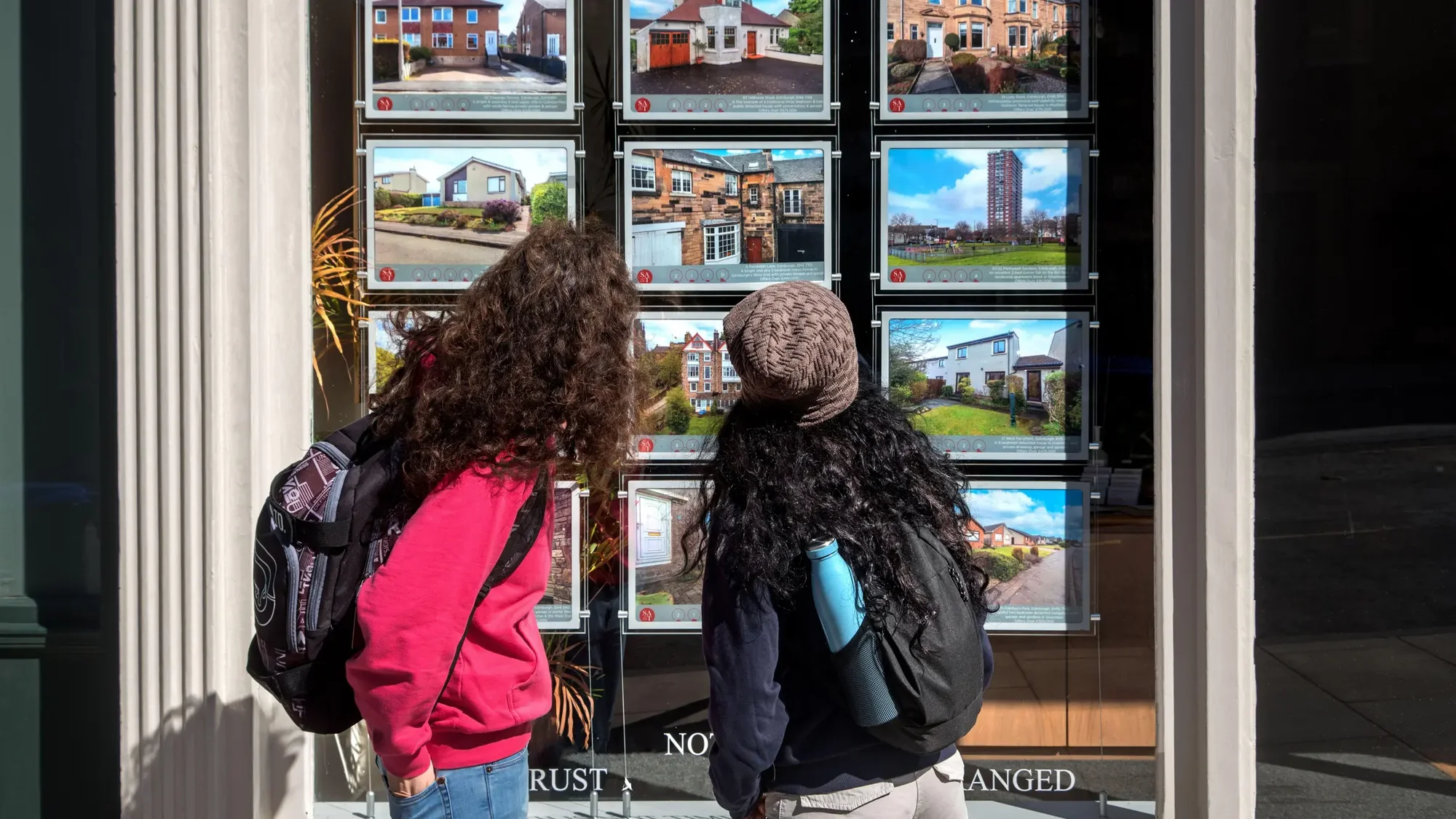
UK house prices have fallen, with escalating global tensions and rising mortgage rates impacting the housing market. The recent decline comes as prospective buyers face higher borrowing costs, driven in part by uncertainty in global markets.
Financial instability linked to international conflicts has contributed to a shift in market dynamics, leading to reduced activity and downward pressure on property values.
Market Overview
The UK property market has experienced a notable decrease in house prices over recent months. Data from various estate agencies and financial analysts indicate a slowdown in transactions, with fewer new mortgage approvals compared to previous periods.
Traditionally resilient, the market now faces a combination of domestic and international economic pressures contributing to this downward trend. Industry sources report that the average house price has dropped compared to earlier in the year.
The Office for National Statistics has shown a marginal but consistent fall, reflecting changing sentiment among buyers and sellers.
Influence of Global Events on Rates
International developments, including periods of heightened conflict in regions such as the Middle East, are reported to have put additional strain on global financial markets. Volatility in currency and commodities markets has created uncertainty among lenders and investors.
Mortgage providers have responded by adjusting interest rates, factoring in the increased risks associated with market instability. Financial analysts note that the potential for further international upheaval may keep borrowing costs elevated in the near future.
Mortgage Rates and Housing Activity
Mortgage rates in the UK have risen steadily. According to the Bank of England, average rates for two- and five-year fixed mortgages increased over recent months. These rising costs have made housing less affordable for many first-time buyers and those looking to move.
Estate agents report a corresponding decline in buyer enquiries and property transactions. Data from the Nationwide Building Society confirms a slowdown in annual house price growth and a decrease in house purchase approvals. Some market observers expect this trend to persist if rates remain high.
Regional Differences in Price Changes
Price changes have not been uniform across the UK. While some regions, particularly in London and the South East, have seen sharper declines, other areas have remained more stable.
The North of England and parts of Scotland continue to experience modest price movement, buoyed by local demand and differing economic factors.
A regional breakdown from property data providers shows that the resilience of local economies and employment levels play a key role in offsetting broader national trends. Areas with robust labour markets have generally fared better.
Expert and Government Reactions
Property specialists and economists have commented on the challenging environment facing both buyers and sellers. Many have cited the importance of stable economic and geopolitical conditions to underpin confidence in the market.
Chancellor Rachel Reeves has acknowledged the difficulties, stating, 'Rising costs and international uncertainties are putting pressure on household finances. The government remains committed to supporting stability in the housing sector.
' Market commentators have urged potential buyers to carefully assess affordability before making decisions.
Final Summary
UK house prices are facing downward pressure as mortgage rates remain high amidst global uncertainties. Regional variations indicate that some parts of the country are more resilient, but the overall market is cautious.
Industry experts recommend close monitoring of economic and geopolitical developments, with ongoing challenges expected for buyers and sellers alike. For further insights and updates on the property market, the Pie app offers in-depth analysis and the latest news.