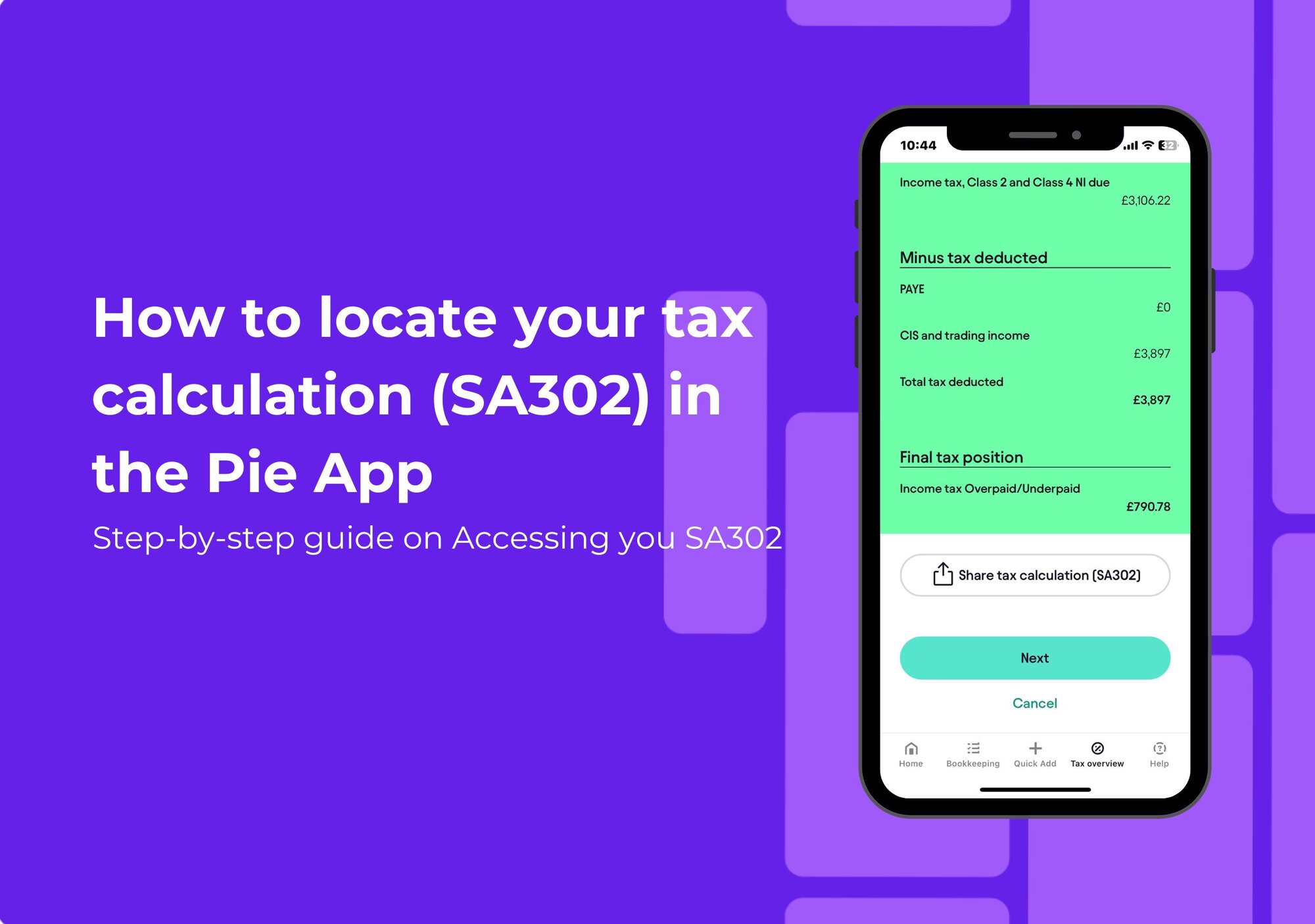
Here Is The Low Down...
Did you know that you can claim self-employed expenses like home office costs and even a portion of your internet bill?
Being self-employed comes with many perks like flexibility, independence, and the ability to work on your terms. But when tax season rolls around, it can get tricky.
We’ll walk you through everything you need to know to handle your taxes like a pro in 2025!
What Is Self-Employed Income Tax?
So, you’re self-employed, and now you’re wondering about income tax? Well, here’s the lowdown: self-employed income tax is the tax you pay on your profits, the money you make after deducting any business expenses.
Unlike employees who have tax automatically taken from their salary through PAYE (Pay As You Earn), as a self-employed individual, you’re in charge of calculating and paying your own taxes directly to HMRC. Sounds like a lot of responsibility, right? But it also means you have more control over your finances. The catch is, you need to stay organised!
To report your income and figure out your tax, you’ll need to file a Self Assessment tax return. This is where you’ll detail everything: your earnings, any expenses, and any tax reliefs or allowances you might be entitled to. But don’t panic! Once you get into the swing of it, it’s actually not as scary as it sounds.
The secret is keeping good records. Track your income and expenses throughout the year so you’re not scrambling come tax time. And trust us, using a tool like the Pie Tax app can really make things smoother, helping you stay on top of it all and avoid mistakes!
Key Deadlines for Self-Employed Tax Filing in 2025
Deadlines are a big deal when it comes to taxes.
The most important one for self-employed people is 31 January: the deadline for filing your online tax return and paying your tax bill for the previous tax year. If you’re filing a paper return, the deadline is earlier: 31 October.
Missing these deadlines can lead to penalties. For example, filing even a day late can result in a £100 fine, and the amount increases the longer you wait. If you owe tax and fail to pay on time, interest will also start accruing, so it’s worth being prepared well in advance.
A good tip is to set reminders for these dates or aim to file your return early. This gives you extra time to deal with any issues or ask for help if needed.
Staying ahead of deadlines can save you a lot of stress, and hard earned cash!
How to Calculate Your Self-Employed Income Tax
Wondering how to calculate your self employed tax? It starts with figuring out your total income, which includes all money earned from your business, freelance work, and side gigs.
To get an accurate estimate of your tax bill, why not try our Pie Tax app that allows you to input your estimated weekly or monthly income. Easy peasy!
Once you’ve determined this, subtract your allowable expenses, which are the costs directly related to running your business, like travel, office supplies, and marketing. What’s left is your taxable income.
Next, apply the income tax bands:
- 20% for basic rate taxpayers (up to £50,270).
- 40% for higher rate taxpayers (above £50,270).
- 45% for additional rate taxpayers (over £125,140).
Don’t forget about National Insurance Contributions (NICs), which are separate from income tax. Self-employed people pay Class 2 NICs, a flat weekly rate (£3.15 for 2025), and Class 4 NICs, which are a percentage of your profits.
Adding these together gives you a clear picture of your tax bill. Nice!