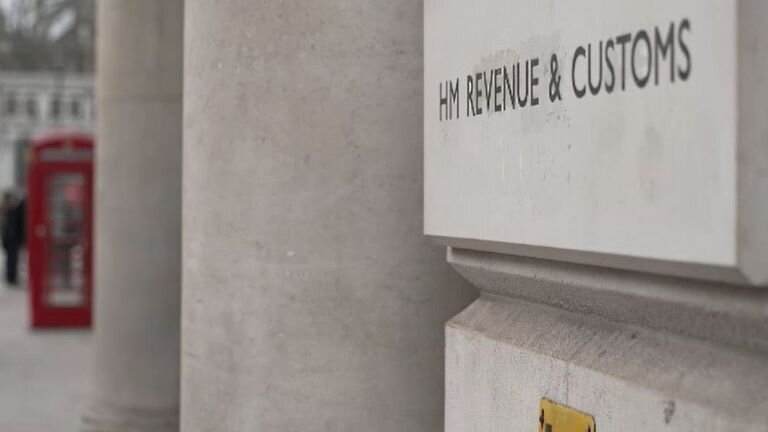
Loan Charge Crackdown Draws Criticism Over High Costs

Loan Charge Crackdown Draws Criticism Over High Costs
Charlotte Baroukh

Charlotte Baroukh

Tax Expert @ Pie

2 min read

Updated: 22 Apr 2026

2 min read

Updated: 22 Apr 2026

What you need to know...

The loan charge was introduced to address the widespread use of disguised remuneration schemes, where individuals received income through third-party loans rather than conventional payments, often to reduce their tax liabilities.


HMRC's crackdown, initiated in 2019, intended to recover tax revenue from these arrangements by levying backdated tax bills on participants. An estimated 50,000 people were identified as users of these schemes. Many affected individuals received unexpected tax demands running into tens of thousands of pounds.


In response to the scale of the issue and the financial impact on those caught by the policy, HMRC implemented a new settlement offer following public and political pressure.

Financial Burden of Loan Charge Compliance

Data from HMRC reveals that maintaining the loan charge programme has resulted in significant operational costs. Since its commencement, annual compliance costs have averaged £31 million, with total expenditure reaching £186 million by 2026.


In contrast, settlements agreed with 800 individuals have brought in £44 million in recovered taxes to date. This disparity between outlay and recovery has become a focal point for debates on the scheme’s cost-effectiveness.


Questions have been raised over whether the public interest is being served, particularly given ongoing administrative and legal costs.

Political and Public Reactions

The loan charge enforcement strategy has elicited sharp criticism from multiple quarters. Former Conservative cabinet minister Sir Jacob Rees-Mogg argued, “Retrospective action is completely unconstitutional.


HMRC did not have any objections at the time, and it is extremely unfair that it is now deemed these schemes are not allowed.” Greg Smith, Member of Parliament for Mid Buckinghamshire, stated, “All along, HMRC has been targeting the wrong people and yet even now, the government is still only pursuing people that are victims of mis-selling, while doing nothing to recover the millions made by those who mis-sold these schemes, which is shameful.


” These comments reflect broader disquiet about perceived injustices in the administration of the loan charge, especially towards individuals with limited awareness of the complexities involved.

Calls for Alternative Enforcement Strategies

Campaigners have called for a review of priorities in the fight against tax avoidance. Steve Packham, co-founder of the Loan Charge Action Group, highlighted the contrast in enforcement by saying, “Whilst those who mis-sold PPI are being forced to pay back millions, those who mis-sold contractor loan schemes are not being asked to pay a single penny it’s double standards.


” The sentiment is echoed by critics who believe enforcement efforts should focus more on scheme promoters rather than individuals advised to participate. There is also concern over mental health impacts on individuals facing large, unexpected tax liabilities.

HMRC’s Position and Settlement Developments

Following a 2025 review of the loan charge, HMRC announced a revised settlement option designed to ease negotiations and address some grievances.


An HMRC spokesperson said, “Following the 2025 Loan Charge Review, the government agreed a new settlement offer, and we are working with our customers to help bring this matter to a close.” Officials maintain that the revised arrangements aim to provide certainty and finality for affected taxpayers.


HMRC also reiterated its intent to recover avoided taxes while adhering to principles of fairness and proportionality.

Wider Implications for Tax Policy

The controversy surrounding the loan charge has broader implications for the UK’s tax enforcement framework. Balancing the need to counter avoidance with the importance of fair treatment remains a central challenge for policy-makers.


The case has heightened calls for legislative clarity and a greater emphasis on targeting those responsible for creating and marketing contrived tax avoidance schemes.


Observers argue that policy interventions must be proportionate and sensitive to their impact on taxpayers least equipped to navigate complex arrangements.

Final Summary

The implementation of the loan charge by HMRC has become a focal point for debate about fairness, efficacy, and public policy direction in tackling tax avoidance.


With high compliance costs and ongoing disputes, both critics and administrators acknowledge the need for improved approaches. Recent developments, including revised settlement offers and public scrutiny, may lead to changes in future enforcement strategies.


As the conversation continues, individuals, professionals, and campaigners are likely to seek further guidance and clarity needs that can be followed and managed using reliable information resources such as the Pie app.

Want to get smarter about taxes?

The Tax Pible has tax tips, guides, video tutorials, and expert insights.


Stay up to date with the latest tax news and watch the UKs first tax podcast - the Piecast

Want to get smarter about taxes?

File your Self Assessment - For FREE

Manage your self-assessment in one, easy to use App

  • Save money, time and effort with Pie

  • Add multiple incomes and view your tax in ‘Real Time’

  • File directly to HMRC - for FREE

File your self assessment - for Free

The Free Self Assessment App.

logologo
Want regular updates from us?

Want regular updates from us?

Sign up for regular tax tips and news sent straight to your inbox.

Whatsapp Pie Tax