What you need to know...
Labour’s proposed property tax policy has sparked significant debate across the United Kingdom, drawing the attention of homeowners, financial analysts, and politicians alike. The tax, sometimes referred to in the media as a “mansion tax”, is designed to target higher-value properties as part of Labour’s approach to generating additional revenue.
As discussions intensify, concerns have emerged regarding potential effects on thousands of households, including those described as “asset-rich but cash-poor”. This analysis examines the full scope of the proposal, its projected impacts, and the response from political figures and the public.
Overview of Labour’s Tax Policy
Labour’s property tax proposal seeks to introduce a levy on residential properties above a certain value threshold. The details of the exact threshold and tax rates are subject to ongoing policy discussions, but party officials have stated the intention is to focus on higher-value homes, particularly those worth over £2 million.
Labour has positioned the tax as a means to increase funding for public services and address perceived inequalities in the current tax system.
Scope of the Proposed Levy
Estimates indicate the proposal could affect up to 50,000 households across the UK, primarily in London and the South East, where property prices exceed the suggested thresholds. Current assessments are based on official property value data from the Office for National Statistics.
Labour representatives assert that the measure would not apply to the vast majority of homeowners, stating it aims to tax “the very wealthiest.” However, property analysts warn that rising property prices could extend the tax’s reach beyond initial estimates if regular threshold adjustments are not implemented.
Potential Impact on Households
Critics of the mansion tax proposal argue that the policy could disproportionately impact those who are “asset-rich but cash-poor,” such as pensioners or long-term residents whose homes have increased in value despite limited incomes.
“Approximately 50,000 families could be affected, many of whom do not have the level of disposable income the policy assumes,” according to property market analysts.
Concerns have also been raised regarding possible unintended consequences, such as discouraging property investment or prompting homeowners to sell their homes to mitigate future tax liabilities.
Political and Financial Reactions
The property tax proposal has faced strong opposition from various quarters. Official Conservative party statements describe the measure as “deeply unfair” to long-standing homeowners and suggest it risks destabilising housing markets.
Labour, for its part, maintains that the tax is necessary to increase public revenues and rebalance the property taxation system.
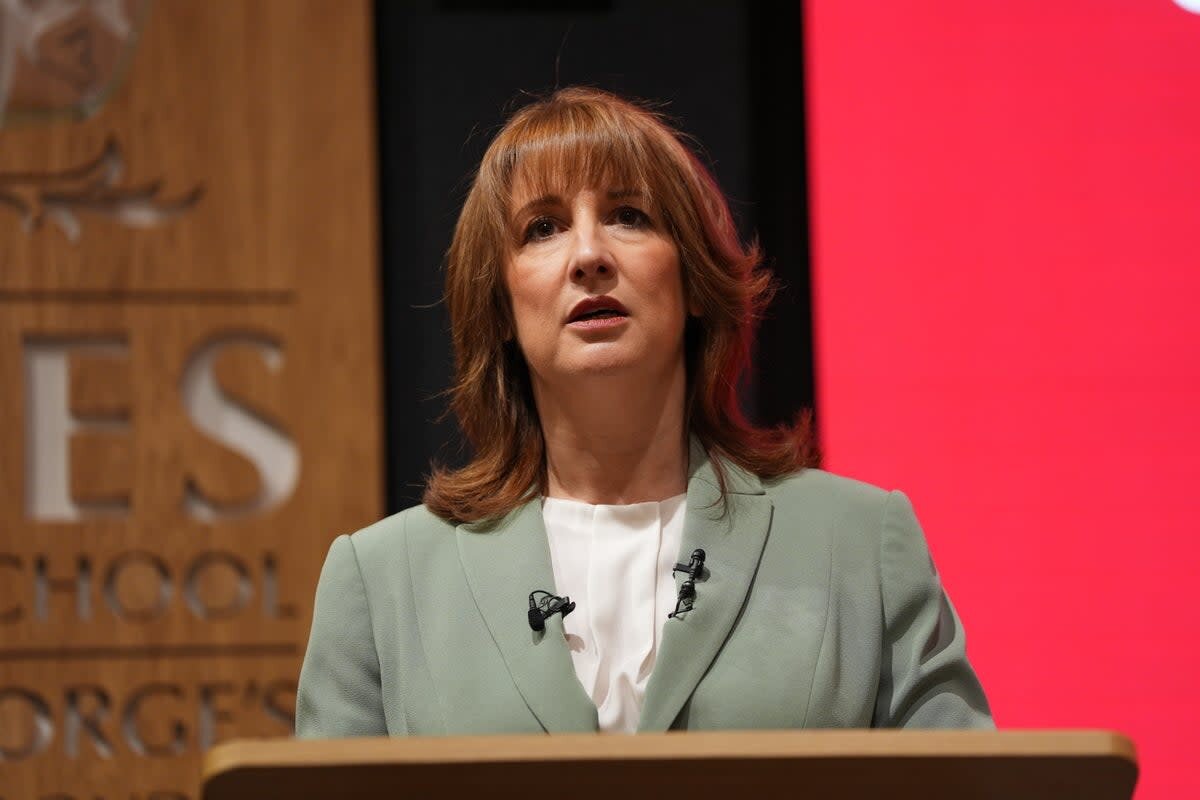
Chancellor Rachel Reeves recently stated that the policy’s design aims to ensure fairness and protect vulnerable groups, but acknowledged some concerns are being reviewed.
Context Within UK Property Taxation
Britain’s current property tax system includes council tax and stamp duty, both of which have been criticised for not adequately reflecting property values, especially in high-cost areas.
Calls for reform have persisted for years, with several think tanks and policy institutes suggesting more progressive approaches. The mansion tax, if introduced, would represent a significant shift towards aligning taxation more closely with property value rather than local authority bands.
Final Summary
Labour’s property tax proposal remains central to broader debates around fairness and fiscal responsibility in the UK’s housing market. While intended to target the wealthiest property owners, the policy’s reach could extend to many households depending on how thresholds are set and administered.
Ongoing political and public discussions are likely to influence the eventual framework of the tax. For those seeking clarity on how evolving tax policies might affect them, the Pie app offers a range of resources and insights on property taxation and financial planning.