Let's Break it down
The Labour Party has confirmed it does not intend to reintroduce tax-free shopping for overseas visitors, a move that has drawn reaction from business groups and sparked broader debate within the retail and hospitality sectors.
The decision follows the party’s recent electoral victory and supports ongoing government strategy regarding value-added tax (VAT) on shopping by international tourists. Industry leaders argue the policy disadvantages the UK compared to European competitors, while Labour emphasises fiscal responsibility and wider spending priorities.
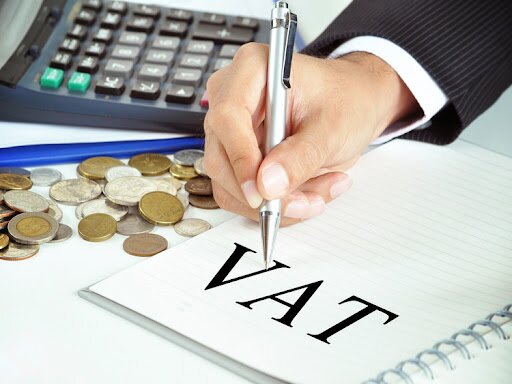
VAT on Tourist Shopping Explained
VAT-free shopping for overseas citizens previously allowed visitors to reclaim the 20% VAT on eligible purchases made in the UK, providing a competitive edge to British retailers and attracting high-spending tourists. The scheme was discontinued in 2021 by the government, citing concerns over revenue loss and administrative complexity.
Since then, business groups have campaigned for its reinstatement, contending it would support economic recovery and boost tourism in key destinations such as London, Edinburgh, and Manchester.
Background and Recent Developments
Following Labour’s assumption of office, calls intensified from the retail, travel, and hospitality sectors for the government to revisit the VAT policy. The British Chambers of Commerce and the British Retail Consortium, among others, maintain that the absence of VAT-free shopping has discouraged international visitors from spending in the UK, affecting luxury retailers, hotels, and related businesses.
In response, Rachel Reeves, the Chancellor of the Exchequer, confirmed the government would not change the current approach, underlining the need to prioritise public finances and essential investment in services.
Stakeholder Reactions
Industry representatives express disappointment regarding Labour’s decision. The British Retail Consortium said retail businesses are already struggling with challenging market conditions and argue that the continued absence of tax-free shopping may weaken the UK’s global competitiveness.
Many tourism and airport authorities have claimed that shoppers now favour destinations in mainland Europe where similar tax-free schemes remain in place. The government, however, has reiterated its focus on stabilising the public finances and delivering long-term economic growth.
Political and Economic Context
The debate over VAT on tourist shopping follows economic pressures exacerbated by the pandemic and subsequent cost-of-living challenges. Fiscal analysts note that reintroducing the scheme would cost the Treasury hundreds of millions annually.
Labour’s stance is seen as a signal of its intent to manage public finances carefully, with a stated focus on strengthening essential public services and infrastructure. Observers note this aligns with broader efforts to demonstrate financial discipline during the party’s first months in office.
Potential Impact on Economy
Economists and sector analysts are divided on the long-term impact of maintaining VAT on tourist shopping. Supporters of reintroduction argue it would generate higher visitor spending, create jobs, and foster growth in retail and tourism.
Critics, however, point out the high cost to government revenue and limited evidence of substantial economic benefit. The Office for Budget Responsibility previously warned of a significant fiscal impact if the tax-free scheme were restored. The Labour government maintains that spending must be carefully targeted to achieve sustainable growth.
Final Summary
Labour’s decision to retain VAT charges on tourist shopping highlights competing economic priorities and reflects a cautious fiscal strategy during a period of transition. While industry groups and some economists argue for the return of tax-free shopping to support growth, the government’s position is informed by concerns over public finances and a commitment to stability.
The implications will continue to shape debate within the retail and tourism sectors in the months ahead. For further insights and tracking of tax developments, the Pie app provides ongoing updates and analysis.