The Rise of Intelligent Financial Assistants in the UK Tax Landscape
The world of tax management is changing rapidly. Paper receipts and confusing tax forms are becoming relics of the past. AI-powered financial assistants now lead the charge in making tax management simpler and more accurate.
These clever tools offer far more than basic calculations. They provide personalised guidance based on your unique financial situation while keeping pace with the latest HMRC regulations.
For UK taxpayers, this technology arrives at the perfect moment. As tax rules grow increasingly complex, having a smart assistant that understands British tax law nuances delivers tremendous value.
Today's financial assistants can identify tax-saving opportunities you might overlook. They can also flag potential issues before they become problems services once available only through expensive accountant consultations, let's break it down!
What Makes Tax AI So Helpful?
Intelligent financial assistants are digital tools using artificial intelligence to support money management and tax compliance. Think of them as personal financial experts who never sleep.
They answer questions about tax deductions, help with filing returns, and suggest ways to reduce your tax bill. All this comes without the hourly charges typical of traditional accountants.
Their true value lies in learning from your financial habits. Over time, they provide increasingly tailored advice specific to your situation.
For UK taxpayers, these assistants prove especially valuable. They understand HMRC's specific requirements and help navigate the complexities of self-assessment, VAT returns, and other UK tax matters.
How Intelligent Financial Assistants Have Evolved
Financial AI began with simple calculators that added up expenses and income. These basic tools helped but had significant limitations.
Around 2015, we witnessed the second wave of financial assistants. These could analyse spending patterns and make basic suggestions based on financial history.
Today's intelligent assistants represent a quantum leap forward. They can predict future tax liabilities and suggest optimal timing for financial decisions.
The current generation uses natural language processing to understand tax questions. They provide clear, jargon-free answers that make sense to non-experts.
UK-focused assistants now automatically track HMRC's regulatory changes. This ensures your tax planning always aligns with current rules.
The most advanced systems integrate with bank accounts and accounting software. This creates a comprehensive picture of your tax situation.
How These Smart Helpers Tackle UK Tax Challenges
UK taxation has unique complexities that require specialised knowledge. Intelligent financial assistants designed for British users understand these nuances.
They quickly identify which tax bands apply to your income. They can calculate liability across multiple revenue streams, whether you're a PAYE employee with a side hustle or a property investor.
When HMRC updates guidance or introduces new allowances, these systems update immediately. This ensures you always work with current information.
Many assistants now flag potential audit triggers before submission. This helps you avoid unwanted HMRC scrutiny of your tax affairs.
For business owners, these tools track VAT thresholds and send registration reminders. This saves you from potential penalties for late registration.
Benefits UK Taxpayers Are Seeing
The most immediate benefit for many users is time savings. Tasks that once consumed hours now take minutes with an intelligent assistant.
Accuracy has improved dramatically as well. AI doesn't tire or make careless mistakes when entering figures, reducing error risks that could lead to penalties.
Having 24/7 access to tax guidance means getting answers when needed. No more waiting for your accountant's office hours to resolve urgent questions.
I recently used an AI assistant to check a complex expense claim. Within seconds, it confirmed the item was deductible and suggested two additional related expenses I'd overlooked saving me nearly £300.
Many users report feeling more confident about their tax affairs. They appreciate having a reliable system checking their work and offering guidance.
The cost savings can be substantial for most taxpayers. While accountants remain essential for complex situations, routine tax queries can now be handled by AI at a fraction of the cost.
Current Limitations to Be Aware Of
Despite impressive capabilities, today's financial assistants aren't perfect. They work best with straightforward tax situations and may struggle with highly complex arrangements.
Data security remains a crucial consideration for users. Ensure any system you use meets strict UK data protection standards and GDPR requirements.
Most experts recommend using these tools alongside professional advice. This is particularly important for major financial decisions or very complex tax situations.
Some users find there's still a learning curve to maximise these systems. However, interfaces are becoming more user-friendly with each update.
HMRC's acceptance of AI-generated submissions continues to evolve. It's worth staying informed about their latest position on automated tax filing.
Choosing the Right Financial Assistant for Your Needs
When selecting a financial assistant for UK tax matters, prioritise those designed specifically for British taxation. Generic international tools often miss crucial UK-specific details.
Check that it integrates with your existing financial systems. Compatibility with your accounting software, banking apps, and other financial tools is essential.
Consider how the system handles updates to tax legislation. The speed at which it incorporates HMRC guidance changes can significantly impact its usefulness.
For business users, ensure the assistant can handle your specific tax regime. Whether that's sole trader self-assessment, partnership returns, or corporation tax, the system should be equipped for your needs.
Look for tools that offer human backup when needed. You should be able to speak with an expert if you encounter a situation the AI can't handle confidently.
Final Thoughts
The evolution of intelligent financial assistants marks a significant shift in UK tax management. These tools make compliance more accessible and less stressful for everyone.
While they won't replace qualified accountants for complex matters, they excel at handling routine tax questions. Basic compliance tasks become significantly easier with their assistance.
As HMRC continues its own digital transformation, expect tighter integration. The connection between these assistants and official tax systems will likely strengthen in coming years.
Pie tax: Simplifying Tax Management with AI
Tax doesn't have to give you a headache anymore. The UK's first personal tax app uses intelligent assistance to make tax management straightforward and stress-free.
Pie tax keeps you updated with real-time calculations that adjust automatically when tax rules change. No more worrying about working with outdated information.
Our smart assistant understands the unique needs of different users. Whether you're a freelancer juggling multiple clients, a property investor, or running a small business, it adapts to your situation.
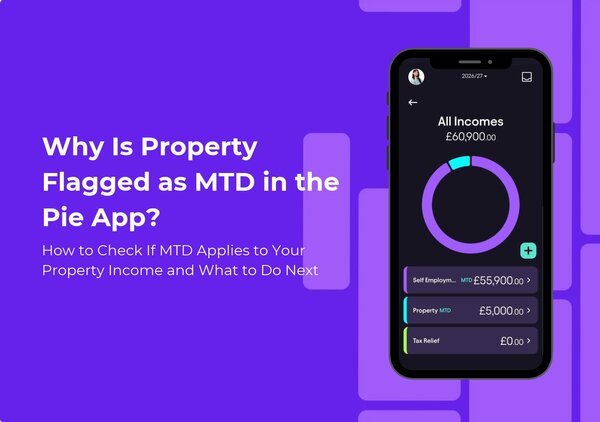
The multiple-income dashboard gives you a clear view of your entire tax position in one place. No more switching between different systems to get the complete picture.
Fancy seeing how it works? Take a look at the Pie tax app today and discover how intelligent tax management can work for you.
Quick and Easy Guide to Check Real Time Tax Figure in the Pie App
Follow these steps to track your real time tax figures
Open the Pie Tax App and find the 'Quick Add' button in the middle of the navigation bar. After that, select 'Create Income Type' from the top of the screen to open the options menu.Step 1
Once you’ve added all the information, you can view your real-time tax figures on the "Homepage" of the Pie App. Step 2