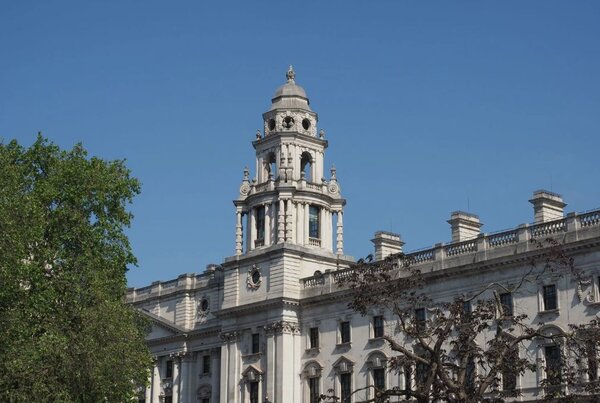
Millions of taxpayers across the United Kingdom are approaching the annual self-assessment deadline, with HM Revenue and Customs (HMRC) set to introduce several updates to the penalty system.
As the deadline for online filing approaches at midnight on 31 January 2026, individuals who fall under self-assessment rules are urged to ensure they complete and pay their tax returns on time.
HMRC’s new penalty changes, set to be effective from 9 January 2026, will alter interest rates on late payments and reinforce the current fine structure, making it vital for filers to understand their obligations and avoid unnecessary charges.
Key changes to HMRC tax penalties
HMRC recently announced amendments affecting the interest rate applied to late self-assessment payments. Starting 9 January 2026, the rate will decrease, following the Bank of England’s reduction of its base rate from 4% to 3.75%.
According to recent HMRC notifications, the interest applied to overdue tax will be set at 7.75%, down from the previous 8%. This adjustment ensures the penalty system continues to reflect wider interest rate movements.
Deadline for filing and payment
The self-assessment tax return filing deadline for the tax year running from 6 April 2024 to 5 April 2025 remains 31 January 2026. Both filing and payment must be completed by midnight on this date to avoid incurring penalties and interest.
HMRC encourages individuals to use its online platform to ensure timely submission and payment. Failure to meet either requirement may lead to financial penalties and accumulating interest costs on any outstanding tax owed.
Late filing penalties explained
HMRC’s late filing penalty structure is designed to deter delays and non-compliance. A fixed £100 penalty is issued if a return is filed after the 31 January deadline, regardless of whether any tax is owed.
If a return remains outstanding after three months, additional daily penalties of £10 are levied, up to a maximum of £900. Further penalties are applied if delays extend beyond six and twelve months, based on a percentage of the outstanding tax or a fixed amount, whichever is greater.
Interest on late payments
Beyond the fines for late submission, HMRC applies interest charges to any overdue tax. The interest rate is set at the base rate plus 2.5%. With the Bank of England’s base rate now lowered to 3.75%, the new rate for late self-assessment payments is therefore 7.75% per annum.
Penalties for late payment are also enforced: an additional 5% of any tax unpaid after 30 days, with two further 5% charges if payment is more than six or twelve months late.
Who must file a self-assessment return?
Self-assessment requirements extend beyond the self-employed. Individuals must submit a return if, during the tax year, they were self-employed and earned more than £1,000, had multiple sources of untaxed income over £1,000, or received more than £10,000 in dividends or savings income.
Those who earned over £50,000 while claiming Child Benefit, earned more than £2,500 from property, or had income exceeding £100,000 are also required to file. Other triggers include certain pension circumstances, overseas income, capital gains, and specific instructions from HMRC regarding underpaid tax.
Final Summary
HMRC’s forthcoming changes to self-assessment penalty interest rates will affect anyone liable for late tax payments from 9 January 2026 onwards. All individuals who fall under self-assessment obligations are reminded of the importance of meeting the 31 January deadline for both filing and payment, as fines and interest can accumulate significantly if deadlines are missed.
Taking the time to organise documentation and familiarise oneself with HMRC’s guidance can help prevent costly errors. For those seeking to monitor tax deadlines and manage obligations efficiently, solutions such as Pie app offer user-friendly features to help taxpayers navigate the self-assessment process.