Harlow Council is set to spend £350 million in the coming year, a figure confirmed by council statements to be double its expenditure from two years ago.
The authority has framed this growth as a milestone in local governance, enabled by what it describes as prudent financial management and increased central government funding.
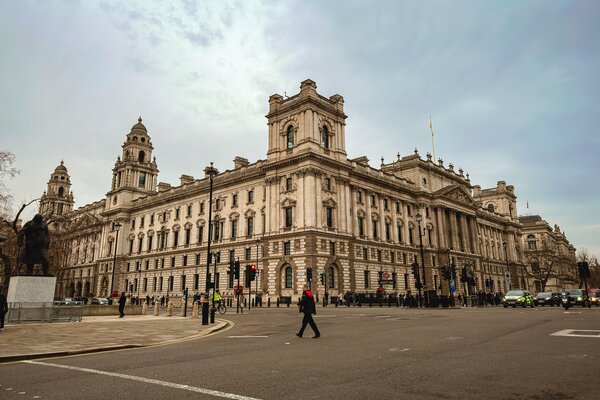
The council building, noted for its distinctive architecture, stands as a symbol of the transformation underway. Recent years have seen the authority expand its spending to meet the needs of a growing population and adapt to evolving service demands.
Cross-Party Agreement
The approval of the budget was notable for its cross-party consensus. It is uncommon for opposition parties to support a budget authored by the ruling group, particularly when there are clear ideological differences at the local level.
Labour councillors, who voted against the Conservative budget last year, backed the new proposals. Their support, along with that of Reform UK’s representative, resulted in a rare instance of unity, reflecting broader shifts in the funding and priorities of the local authority.
Details of Council Tax
While Harlow District Council has maintained its portion of the council tax at £4.93 per week for an average household, residents will still see a rise in their overall bills. This is due to confirmed increases by Essex County Council, as well as by fire and police services.
Council leader Dan Swords emphasised the significance of holding the district’s tax rate steady, stating that the council would ensure high levels of expenditure “without residents paying a penny more” at the district level. This marks the fifth consecutive year of a locally frozen council tax.
Investment in Local Services
The budget commits to protecting existing services, with no cuts or closures planned, according to official statements. Additional funds have been allocated for community assets, including Pets’ Corner, Harlow Playhouse, Harlow Museum, and supported housing.
The proposed investments aim to enhance amenities and quality of life for local residents, while supporting vulnerable groups and fostering cultural engagement.
Authorities have underscored their intent to use the expanded budget to drive economic development and regeneration.
Reactions from Political Leaders
Labour councillor Stefan Mullard-Toal attributed the ability to freeze council tax locally to “exponential” increases in national government funding for local authorities.
This sentiment was echoed during the full council meeting, with leaders from all major parties highlighting increased financial capacity for investment.
Council leader Dan Swords described the plan as “the biggest budget in the council’s history,” and committed to increased support for local priorities without imposing additional tax burdens at the district level.
Regional and National Context
The decision by Harlow Council stands in contrast to most authorities across England, where rising costs have generally led to council tax increases. However, other councils in Essex, including Labour-led Basildon and Conservative-led Braintree, have also opted for a tax freeze.
The current approach in Harlow reflects ongoing debates within local government concerning sustainable funding, public service delivery, and the impact of central government allocations. Trends in council finance continue to be a contentious subject both regionally and nationally.
Final Summary
Harlow Council’s budget for the 2026–27 year demonstrates a notable moment of cross-party cooperation and reflects the impact of increased funding streams for local government.
With £350 million allocated for the coming year and a fifth consecutive council tax freeze at the district level, the council aims to boost investment in key local services and infrastructure without cutting existing provisions. Local leaders say the agreement marks a pragmatic response to financial pressures and community needs.
This development arrives as most councils elsewhere raise their rates, highlighting differing strategies on public finance and service provision. For those seeking to stay informed on council budgets and local tax changes, the Pie app offers regular updates and impartial insights for communities across the UK.