Halton Council Approves Council Tax Rise Amid Political Division

Halton Council Approves Council Tax Rise Amid Political Division
Charlotte Baroukh

Charlotte Baroukh

Tax Expert @ Pie

3 min read

Updated: 6 Mar 2026

3 min read

Updated: 6 Mar 2026

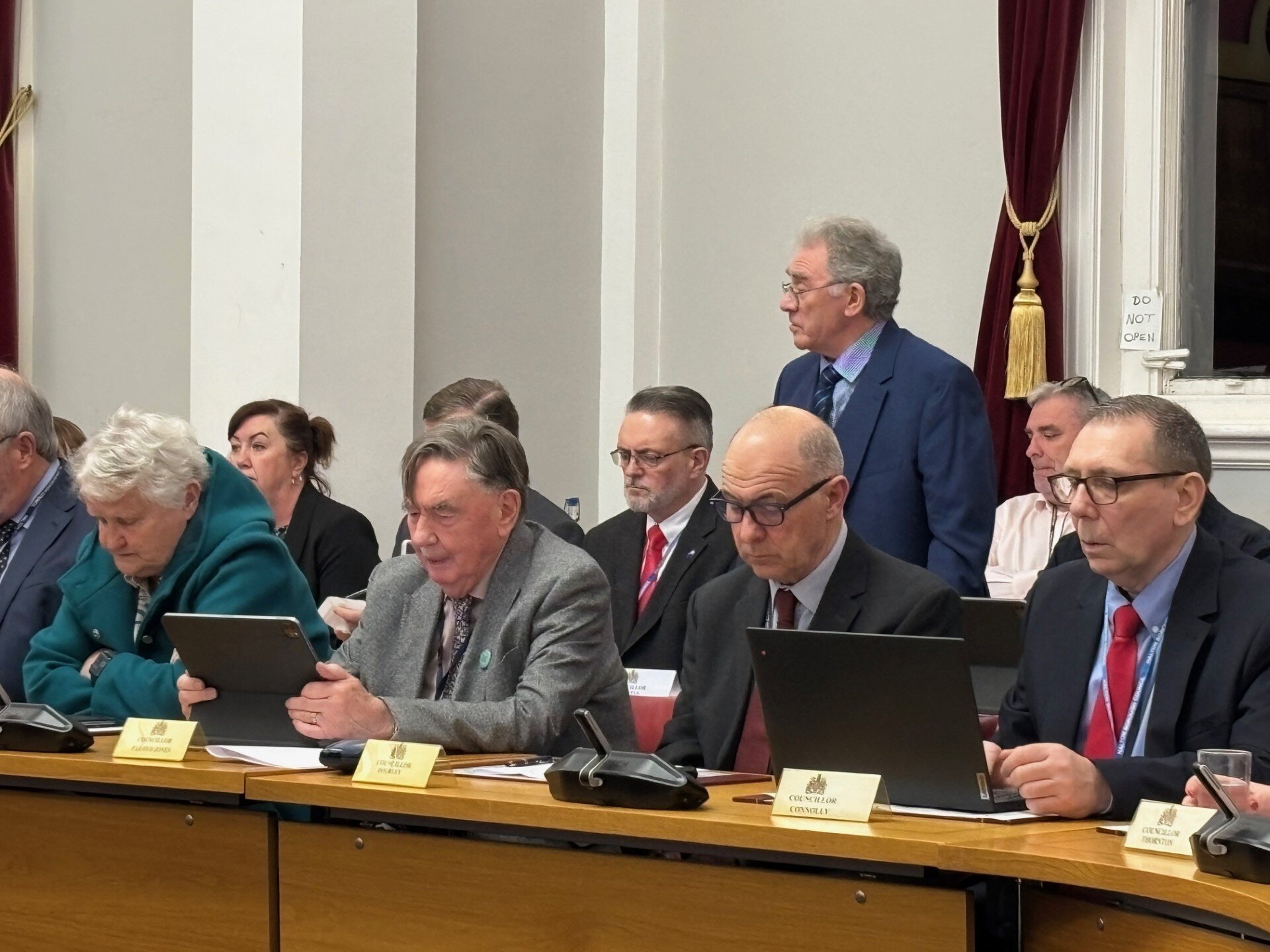
The session opened with a minute’s silence for Farnworth councillor Val Hill, contributing to an initial solemn atmosphere. However, attention swiftly turned to internal disputes as Halton Castle councillor Chris Loftus announced his resignation from the Labour Party, choosing instead to serve as an independent.


Loftus stated his decision was based on concerns about the party’s approach to justice and underlying issues within local Labour politics.


Shortly after, mention was made that councillor Kevan Wainwright had previously left the Labour group in January, also citing disagreements within the party. Both departures set a tone of division and discord ahead of the night’s fiscal decisions.

Resignations and Independents in Focus

Councillor Chris Loftus told the chamber he could no longer 'tolerate what’s going on in this party,' adding that behind-the-scenes developments had contributed to his exit after over four decades as a Labour member. He suggested that further evidence regarding internal matters may be provided to the public at a later date.


Wainwright, following his earlier resignation, criticised the Labour group for not implementing necessary savings and accused the council of relying too heavily on government loans to balance the budget.


His comments added to the growing sense of unease and prompted further debate about local council strategy.

Budget Decisions and Financial Context

The council approved a 4.99 percent rise in core council tax, amounting to an additional £92 annually for Band D households. Councillor Mark Dennett, executive board member for corporate services, explained that initial funding from central government was lower than expected.


However, further lobbying by the local MP Derek Twigg and council leaders secured additional resources, which are forecast to result in a £1.3 million underspend against budget expectations.


Dennett indicated that exceptional financial support, essentially a form of government borrowing, had been used to address financial shortfalls, although this support carries an interest cost. These factors contributed to the need for raising local taxation.

Debate over Financial Support and Savings

During the meeting, councillor Wainwright condemned the council’s reliance on such financial measures and expressed disappointment with the new national government, stating, 'Now they’re here they haven’t helped.


Things are much worse.' His concerns resonated with others in the chamber who cited the ongoing challenge of balancing essential local services with limited funding. Council leader Mike Wharton countered criticism from resigning members, remarking,


'You can’t come here tonight, mouth off about our council, because you’ve been part of it, and that’s really disappointing.' He emphasised that those who had left the group had previously participated in setting budgets for several years.

Reactions to Tax Increase

Reform UK councillor Sian Davidson also spoke against the council tax increase, warning that it would place additional financial pressure on working families, pensioners, and small business owners.


Councillor Dennett responded by highlighting that Reform UK councillors elsewhere had similarly raised council tax rates contrary to their campaign promises. The final budget approval saw only councillors Wainwright, Loftus, and Davidson voting against, with councillor Kath Loftus abstaining.

Council Tax Breakdown and Parish Precepts

The agreed rise brings the Band D council tax to £1,938 annually, an increase of £92 from the previous rate. In addition, police and fire precepts have risen. Cheshire police’s precept for Band D properties is set at £295 (an increase of £18.50, or 6.68 percent), while Cheshire fire authority’s portion is £100 (an increase of £5, or 5.26 percent).


The Liverpool City Region Combined Authority precept remains at £24. Combined, these changes mean a total Band D bill of £2,358, an increment of £115 over the previous year, excluding specific parish precepts.


Parish councils have also revised their precepts. Preston Brook parish has raised its precept by 54 percent, bringing an additional charge of £308 for residents one of the highest parish precepts in England.


Increases have also been confirmed for Hale (£95, up 2.8 percent), Daresbury (£50, up 49 percent), Halebank (£93, up 23 percent), and Sandymoor (£29, up 5.71 percent). Moore parish’s precept remains unchanged at £18.55.

Final Summary

Halton Borough Council’s approval of a 4.99 percent council tax increase has brought internal party tensions to the forefront, with resignations and criticisms dominating the latest full council meeting.


While council leaders express confidence in the revised budget and additional central funding, critics remain concerned about the impact on residents and the sustainability of current financial strategies.


The situation underscores the broader challenges faced by local authorities nationwide navigating reduced government allocations and rising service demands. For insights into changing council funding and local tax trends, the Pie app provides a useful resource for following major fiscal developments.

Want to get smarter about taxes?

The Tax Pible has tax tips, guides, video tutorials, and expert insights.


Stay up to date with the latest tax news and watch the UKs first tax podcast - the Piecast

Want to get smarter about taxes?
Whatsapp Pie Tax