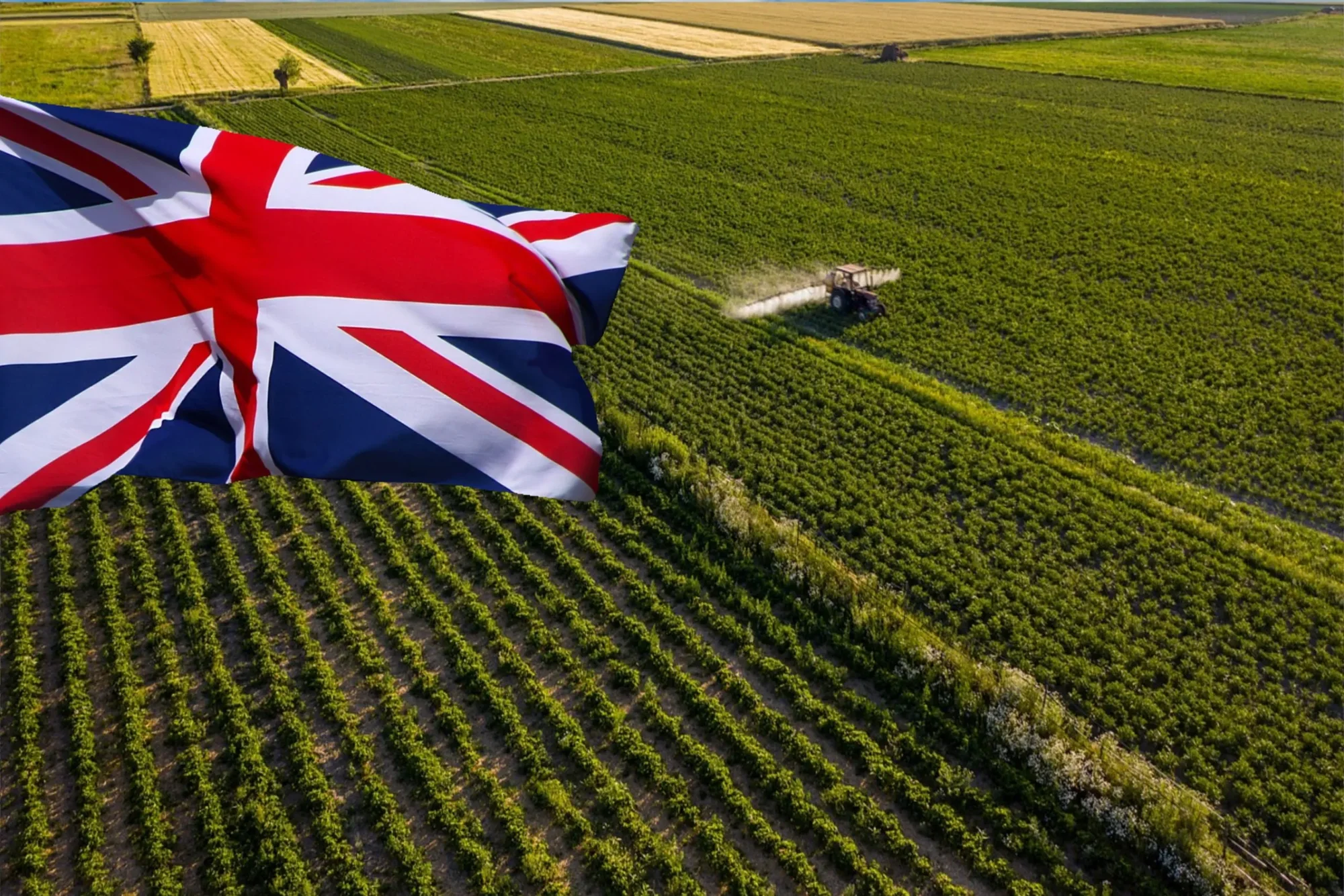
UK farmers are urging Labour to postpone a planned carbon tax on imported fertiliser, warning it risks pushing up food prices. The proposed levy is part of a broader emissions-reduction policy due to begin in 2027.
Industry leaders say the policy is being introduced at the worst possible time, as fertiliser prices surge following conflict in the Middle East. The sector fears the added costs could ripple through the food supply chain.
What the Carbon Border Tax Means
The levy forms part of the UK’s carbon border adjustment mechanism (CBAM), designed to prevent companies from moving production overseas to avoid emissions rules. Imported goods produced with higher carbon emissions would face additional charges at UK borders.
Fertiliser, along with aluminium, cement, hydrogen and steel, is among the sectors affected. The Government has not yet confirmed the final tariff rate, but industry estimates suggest it could significantly raise costs.
Farmers Warn of Rising Costs
Farm groups say the tax would add pressure to an industry already struggling with rising input prices. The National Farmers’ Union has called for the levy to be postponed and reviewed in a year.
Farm representatives warn the extra costs could feed directly into higher food prices. Increased fertiliser costs typically affect crop production and livestock feed, ultimately impacting supermarket shelves.
Price Surge Linked to Middle East Conflict
Fertiliser prices have already risen sharply following the outbreak of conflict in Iran. Around 35% of global fertiliser supplies pass through the Strait of Hormuz, a critical shipping route now disrupted.
Since the conflict began, approximately one million tonnes of fertiliser have been stranded in the Gulf. Industry figures suggest prices have risen by up to 50% as a result.
Political and Industry Reaction
Farming and industry leaders warn the levy could worsen inflationary pressures. Some producers estimate the tax could add around £100 per tonne to fertiliser costs.
Critics argue the policy could increase the cost of staple foods such as bread, dairy products and biscuits, while delivering limited environmental benefit.
Government Response
The Treasury says it is monitoring the situation closely and assessing the impact on food and farming. Officials have indicated they will respond to evidence of unfair pricing or market disruption.
The Government has also pledged to work with regulators to improve price transparency across the supply chain. However, calls to delay the tax continue to grow.
Final Summary
Rising costs and policy changes are increasing the need for better financial planning across farming and rural businesses. Digital tax tools such as Pie.tax are designed to simplify tax management for the self-employed and small business owners.
The app provides real-time tax estimates, automated expense tracking and direct filing to HMRC, helping users stay prepared for new levies and rising costs.
As uncertainty grows around fertiliser prices and future policy changes, tools like Pie tax can help farmers improve cash-flow visibility, plan ahead and reduce the risk of unexpected tax bills.