Unpacking the Essentials
Being your own boss has plenty of perks. One of the biggest advantages is being able to claim your allowable expenses against your income, reducing the amount of profit that gets taxed.
Many sole traders miss out on potential savings simply because they don’t know what counts as a business expense. When you claim expenses correctly, you’ll pay less tax overall, keeping more of your hard-earned money.
Let’s break down what you can claim, how to record everything properly, and some common mistakes to avoid.
What exactly counts as a business expense for sole traders?
For something to count as an allowable business expense, it needs to be “wholly and exclusively” for your business. This is HMRC’s golden rule. In simple terms, if you wouldn’t have spent the money if you didn’t have your business, it’s likely a business expense.
These expenses directly reduce your taxable profit. So if you earn £40,000 but have £10,000 in expenses, you’ll only pay tax on £30,000. You’ll need to keep records and receipts for at least 5 years in case HMRC asks to see them.
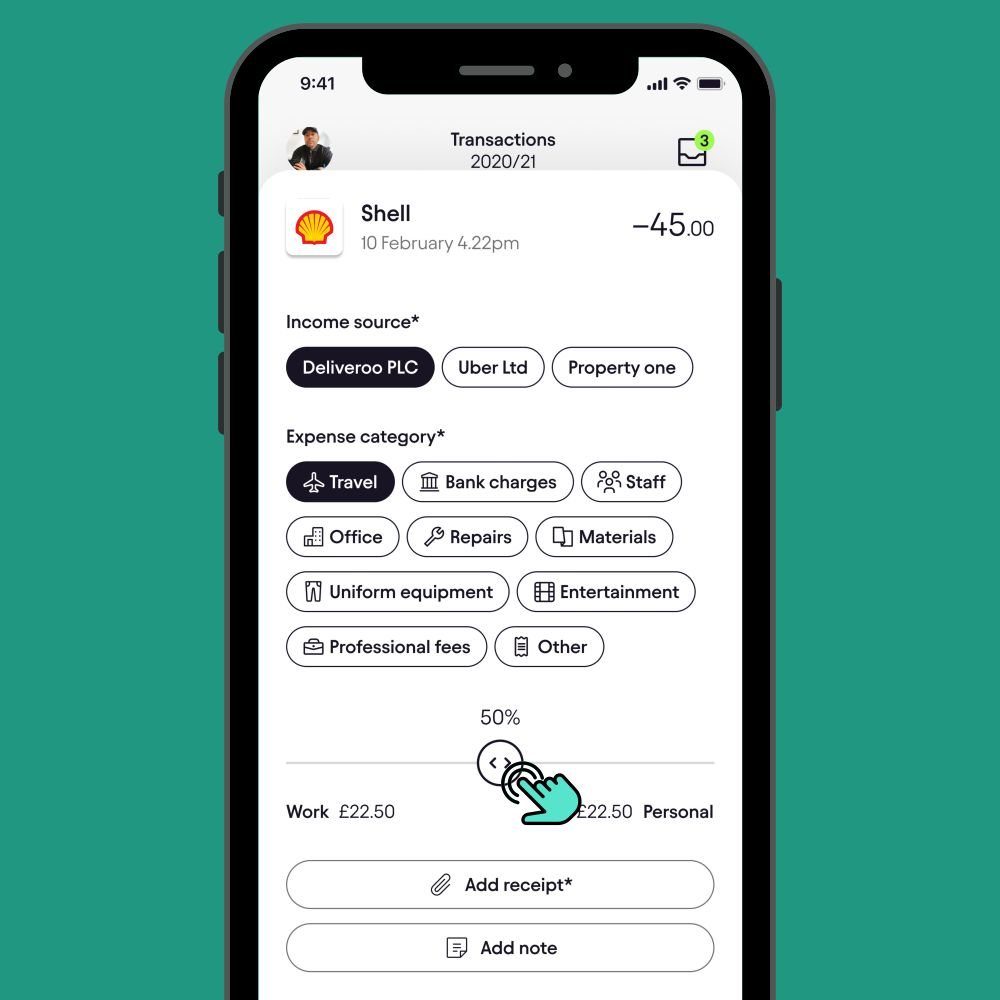
Some costs might be partly business and partly personal. You can only claim the business portion – but that’s still better than nothing!
Which everyday costs can I claim on my self assessment tax return?
Your office costs are fully claimable. This includes stationery, printer ink, postage, phone bills and internet. If you rent a workspace, the costs associated with your business premises, such as rent, insurance, utilities, and business rates, are fully claimable. If you rent a workspace, you can claim those costs too, covering rent, insurance, utilities and business rates.
Travel for work? Great news – fuel, train tickets, hotel stays for business trips, and parking can all be claimed. However, parking fines aren’t claimable, as I discovered after an expensive lesson in Manchester last year!
If you employ people, their wages, National Insurance contributions, and pension payments are all business expenses. Marketing costs are fully claimable too, including your website, business cards, online ads, and networking event tickets.