Freezing UK Tax Thresholds Affects Workers’ Finances

Freezing UK Tax Thresholds Affects Workers’ Finances
Charlotte Baroukh

Charlotte Baroukh

Tax Expert @ Pie

3 min read

Updated: 2 Jan 2026

3 min read

Updated: 2 Jan 2026

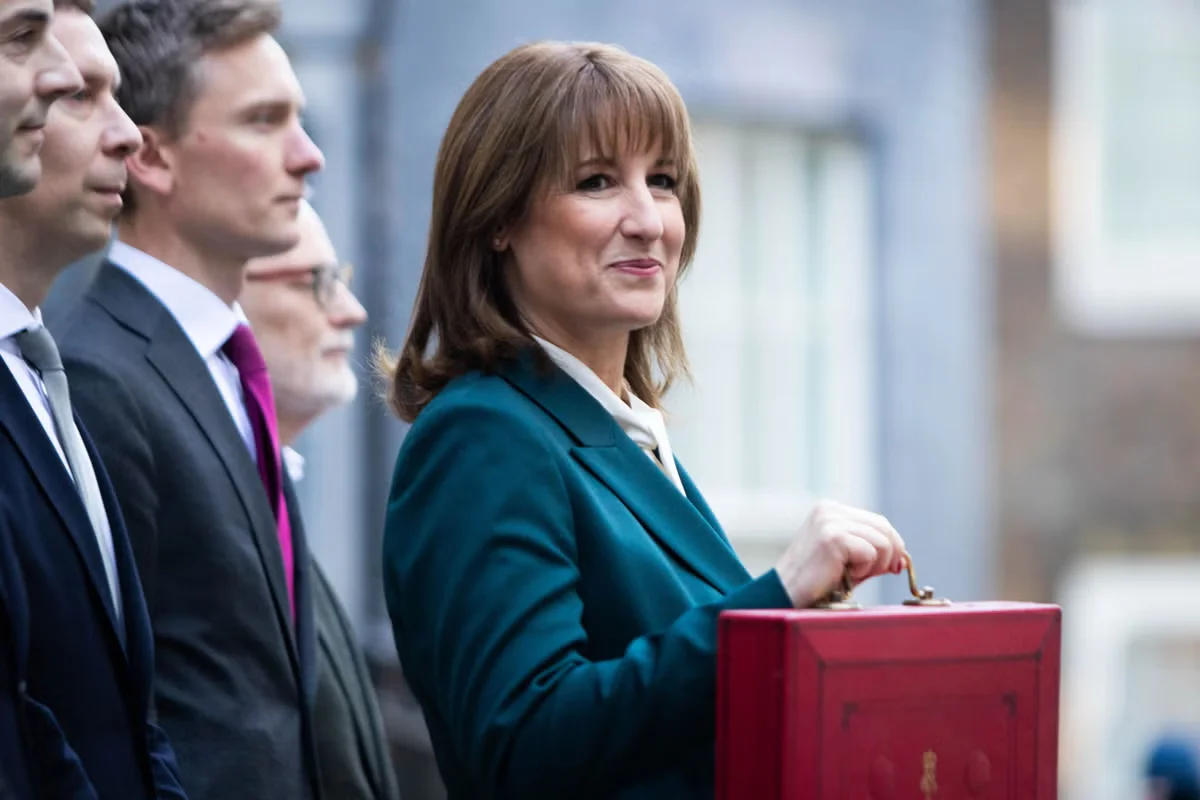
Labour Chancellor Rachel Reeves’ decision to extend the freeze on income tax and national insurance thresholds until 2031 is projected to significantly impact UK workers’ disposable income. Recent analysis suggests employees will face higher tax burdens as wage growth pushes more individuals into higher tax bands, a phenomenon referred to as fiscal drag.


Conversely, pensioners and recipients of benefits are likely to see their incomes rise in real terms due to policy decisions such as the state pension triple lock and increases to universal credit.


These measures, announced in the recent Budget, have sparked debate about the distributional effects of current tax and welfare policy amid economic uncertainty.

Freeze on Tax Thresholds Extended

The UK Government’s Budget extended the freeze on personal income tax and national insurance thresholds until the 2030-31 fiscal year. This policy means the thresholds at which individuals begin to pay different rates of income tax will not rise in line with inflation or earnings growth.


As a result, more people will gradually pay higher rates of tax as wages increase over time. Chancellor Rachel Reeves stated that she was “asking everyone to make a contribution” to support public services and investment, reflecting the need to address economic challenges and fund government priorities. The decision has been described as a way to raise revenue without increasing headline tax rates.

Fiscal Drag and Its Financial Consequences

Freezing tax thresholds introduces fiscal drag, a process in which more of an individual’s income becomes subject to taxation as earnings rise. This increases government tax receipts without explicit rate increases.


According to recent analysis by the Centre for Policy Studies, an employee currently on a £50,000 salary could be £505 worse off in real terms by 2030-31, assuming typical wage growth forecasts. Despite rising nominal salaries, the lack of threshold adjustment means workers will pay proportionally more tax on their income.

Pensioners and Benefit Claimants See Real Gains

In contrast to salaried workers, pensioners are set to benefit due to the government’s commitment to the state pension triple lock. This guarantee ensures that the state pension rises by the highest of inflation, average earnings, or 2.5 percent each year.


The same analysis found that pensioners would be at least £306 better off in real terms by 2030-31. For those receiving out-of-work benefits, such as universal credit, increases linked to inflation are expected to result in a gain of around £290.


These adjustments aim to maintain or improve the purchasing power of those on fixed incomes.

Analysis Highlights Worker Disadvantage

The Centre for Policy Studies’ report states that workers “will be worse off by 2030 than they are today, in contrast to those who receive their income from the state.”


Daniel Herring, head of economic and fiscal policy at CPS, remarked: “Freezing the personal allowance for income tax will hit everyone, but it’s those who are dragged into higher tax bands who will really suffer…


a worker on £50,000 today is set to actually be poorer in five years’ time, despite getting pay rises.” According to Mr Herring, this represents a form of stealth taxation, where government revenue increases without direct rate hikes.

Treasury Outlines Budget Measures

A spokesperson for the Treasury defended the Budget, highlighting measures intended to offset cost-of-living pressures. These include raising the national living and minimum wage, providing a one-off £150 reduction in energy bills, and freezing prescription fees, fuel duty, and rail fares.


According to the Treasury, “the fair and necessary decisions we made at the Budget mean we can deliver on the country’s priorities cut waiting lists, cut debt and borrowing and cut the cost of living.”


In addition, the freeze in personal tax thresholds is expected to raise around £23 billion for the Exchequer in the 2030-31 financial year.

Final Summary

The extension of the freeze on UK tax thresholds is set to increase the fiscal burden on working individuals, gradually reducing real incomes through fiscal drag, despite nominal wage growth. At the same time, pensioners and benefit claimants are projected to receive higher real incomes due to index-linked policy adjustments.


The divergent outlooks highlight a redistribution of resources favouring state-supported groups over wage earners, raising questions about economic fairness and government priorities.


For those seeking to navigate the complex interplay of taxes and benefits, digital resources such as the Pie app can offer further insights into personal financial impacts.

Want to get smarter about taxes?

The Tax Pible has tax tips, guides, video tutorials, and expert insights.


Stay up to date with the latest tax news and watch the UKs first tax podcast - the Piecast

Want to get smarter about taxes?

File your Self Assessment - For FREE

Manage your self-assessment in one, easy to use App

  • Save money, time and effort with Pie

  • Add multiple incomes and view your tax in ‘Real Time’

  • File directly to HMRC - for FREE

File your self assessment - for Free

The Free Self Assessment App.
logologo
Want regular updates from us?

Want regular updates from us?

Sign up for regular tax tips and news sent straight to your inbox.

Whatsapp Pie Tax