Introduction
Recent government reforms to business rates, introduced in the latest Budget by Chancellor Rachel Reeves, have led to notable changes in property tax bills across the United Kingdom. According to official data and independent tax analysis, HM Treasury’s main offices are set to benefit from a substantial reduction in their business rates for the next financial year.
In contrast, hospitality venues such as pubs and hotels are facing sharp increases in their own bills, triggering industry criticism and concerns over future closures and job losses. The developments illustrate the complex effects of rebalanced property tax policy amid ongoing financial pressures on the high street.
Overview of Business Rates Changes
The most recent Budget announced a permanent reduction in the business rates multiplier, the figure used to calculate how much firms pay in property tax. Chancellor Rachel Reeves asserted that these changes would ensure “permanently lower” business rates for small businesses in the retail, hospitality, and leisure sectors.
However, a key element of the reforms includes the planned phasing out of a 40 per cent business rates discount for those same sectors, which will end in April. Transitional relief will be provided until 2029, but many firms say this will do little to offset sudden increases in their tax bills. New property valuations effective for 2026 have also been introduced, causing variations in rateable values across sectors.
Treasury Offices to Receive Significant Savings
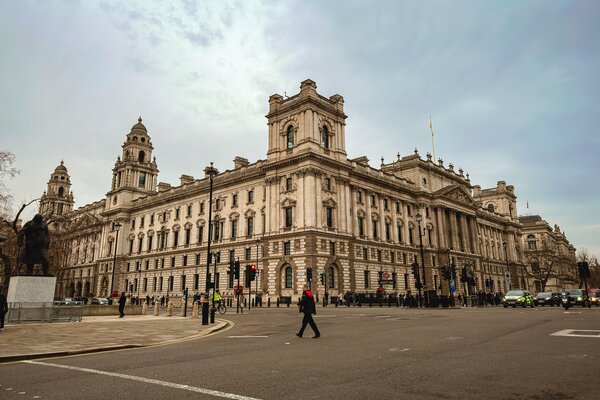
HM Treasury’s headquarters at 1 Horse Guards Road in central London saw its rateable property value increase by four per cent. Despite this valuation rise, figures compiled by the property tax firm Ryan suggest the Treasury’s overall business rates liability will fall by £288,180 for the 2026/27 fiscal year, reducing its annual bill to approximately £9.62 million.
This reflects the impact of a lower multiplier, designed to relieve costs for select sectors. In a statement, a Treasury spokesperson emphasised that “property valuations for business rates are calculated independently by the Valuation Office Agency” and noted that the Treasury “will be paying a higher multiplier next year to help fund a lower rate for the high street”.
Impact on the Hospitality Sector
Pubs, hotels, and restaurants are among the most affected by the new measures. According to Valuation Office Agency (VOA) data, average rateable values for pubs are expected to jump by 32 per cent, leading to a notable spike in business rates bills.
Hospitality industry leaders have criticised the government’s approach, warning it could lead to pub closures and job losses nationwide. These concerns come at a time when the sector is still recovering from the combined impacts of the pandemic, inflation, and ongoing cost pressures.
Sector Concerns and Government Response
Industry bosses and trade associations have been vocal in their opposition. Many argue the withdrawal of the 40 per cent relief from April 2026 poses a financial threat, particularly given the scale of rateable value increases for hospitality premises.
A number of organisations have called for targeted support, and government officials have indicated that further measures to support pubs may be forthcoming. Labour has suggested additional help may be announced for the hospitality sector in the coming weeks, acknowledging the significance of community pubs on local economies and employment.
Wider Effects on Central London Offices
Beyond hospitality, the new property valuations affect a broad swathe of office properties, especially in central London. Alex Probyn, practice leader for Europe and Asia-Pacific property tax at Ryan, stated that “across the seven principal Central London office districts, an 11.9 per cent rise in rateable values generates £607.9
million of additional rateable value.” Probyn added that, after accounting for the lower multiplier and transitional relief, there would still be a £78.7 million increase in business rates liabilities for office buildings in 2026/27, once various supplements are considered.
Final Summary
The introduction of reformed business rates has highlighted divisions between sectors benefitting from tax relief and those facing sharp increases, particularly within hospitality. While HM Treasury is poised to see a significant reduction in its business rates bill, thousands of pubs and hotels will see their costs rise steeply.
Industry leaders urge further government intervention to protect businesses and jobs, underlining the ongoing debate about fairness and sustainability in the business rates system. Policymakers’ next steps will be closely watched by high street operators and property owners alike. Readers seeking clear updates on rates and financial planning can access independent resources through the Pie app.