Will I See Student Loans in My Tax Code?
Yes! If you have student loan obligations, you’ll notice a letter ‘S’ in your tax code. This instructs your employer to make the appropriate student loan deductions from your salary each pay period.
This doesn’t mean you’re getting a tax break though. Unlike genuine tax deductions, student loan repayments don’t reduce your overall tax liability or provide any tax advantages.
Your employer uses this code to calculate the correct deductions throughout the tax year, ensuring you’re paying the right amount consistently. It helps prevent underpayment that might result in a large bill later.
Additionally, it's crucial to ensure accurate reporting of student loan repayments on your tax returns, verifying pre-populated information and informing the Student Loans Company of any discrepancies.
Can I Get Tax Relief on My Student Loan Interest?
Unfortunately, unlike in countries such as the US, UK taxpayers cannot claim any tax relief on student loan interest or repayments.
Accurate reporting of student loan repayment is crucial, especially since repayments are calculated based on income thresholds and must be reported correctly when completing tax returns.
The UK system is income-contingent rather than based purely on interest payments. Your repayments depend on how much you earn, not how much interest is accruing on your outstanding balance.
Interest continues to add up whether you’re making repayments or not, and the rates vary based on inflation and your income level. This can sometimes mean your balance grows despite making regular payments.
There are no tax benefits for making extra voluntary repayments either, though paying off your loan faster can save you money on interest in the long run. This is worth considering if you have spare cash available.
How Do Self-Employed People Handle Student Loan Repayments?
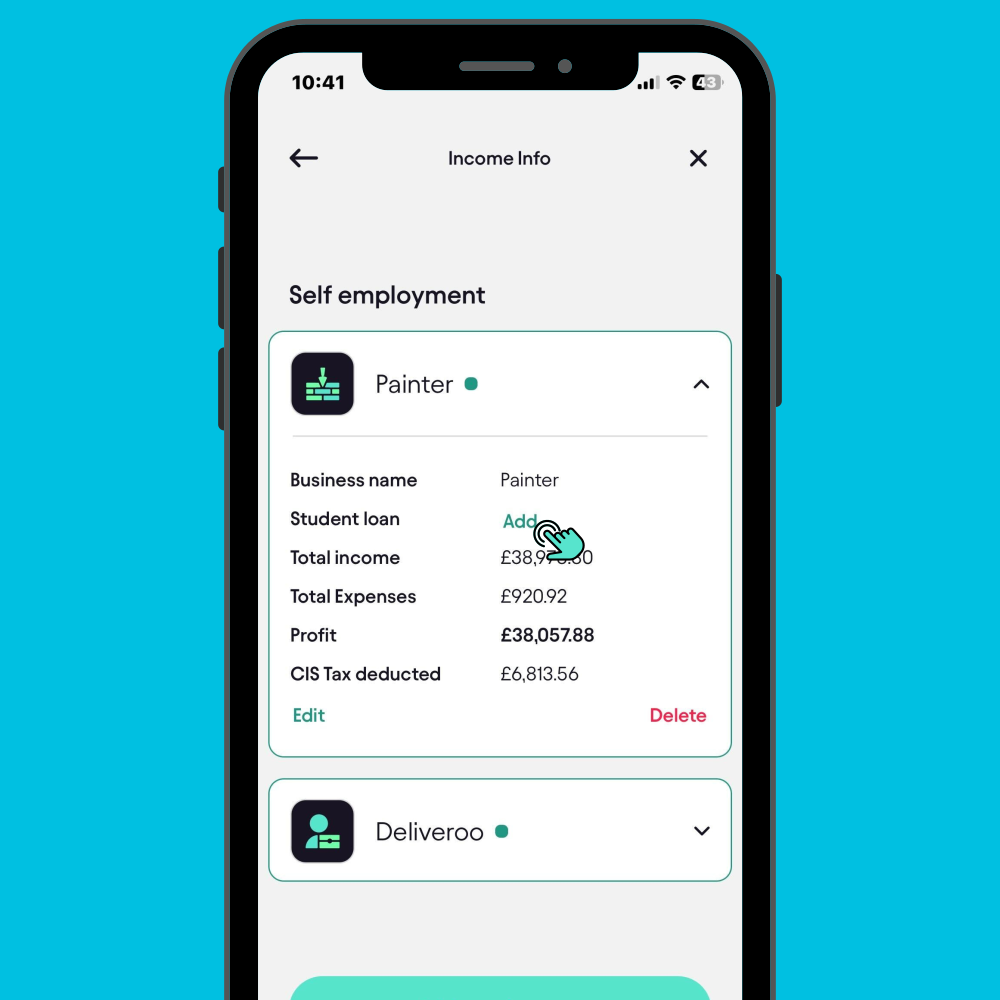
If you’re self-employed, you’ll make your student loan repayments through your Self Assessment tax return rather than through PAYE. This integrates with your annual tax filing process. You can use software like the Pie Tax App to help with filing. They also have tax specialists for any questions you might have.
The same thresholds and percentage rules apply – you’ll pay 9% of your profits above the relevant threshold for your loan plan. The calculation is based on your taxable profit after allowable expenses.
The difference is that you’ll pay in one go along with your Income Tax and National Insurance, rather than monthly. This requires careful budgeting throughout the year to avoid cash flow problems when your tax bill arrives.
For those with both employment and self-employment income, HMRC looks at your total taxable income to calculate repayments.
This combined approach ensures you pay tax based on all your earnings, including student loan repayments calculated through Self Assessment and PAYE.