Introduction
Hundreds of thousands of state pensioners in the United Kingdom are encountering significantly higher tax bills due to the government’s decision to freeze the personal tax-free allowance. In the most recent tax year, approximately 320,000 retirees paid at least £1,000 in tax on their state pensions,
following a rise to the standard state pension that has pushed more people beyond the current personal allowance threshold of £12,570. The policy, which extends the freeze on personal allowances until 2031, has intensified concerns about the financial pressures faced by older citizens.
Rising Tax Bills for Pensioners
Recent data indicate that the number of pensioners required to pay substantial tax on their retirement income has grown markedly. In the 2025-26 financial year, 320,000 pensioners paid tax bills of at least £1,000 on their state pension. This figure has increased by 71,000 compared to the previous year.
The number of retirees taxed at least £2,000 nearly doubled, reaching 15,800, a 48 percent rise. Many retirees have expressed concern that these taxes are undermining the original purpose of the state pension, which was intended to provide security as a non-discretionary income.
Personal Allowance Freeze and Its Consequences
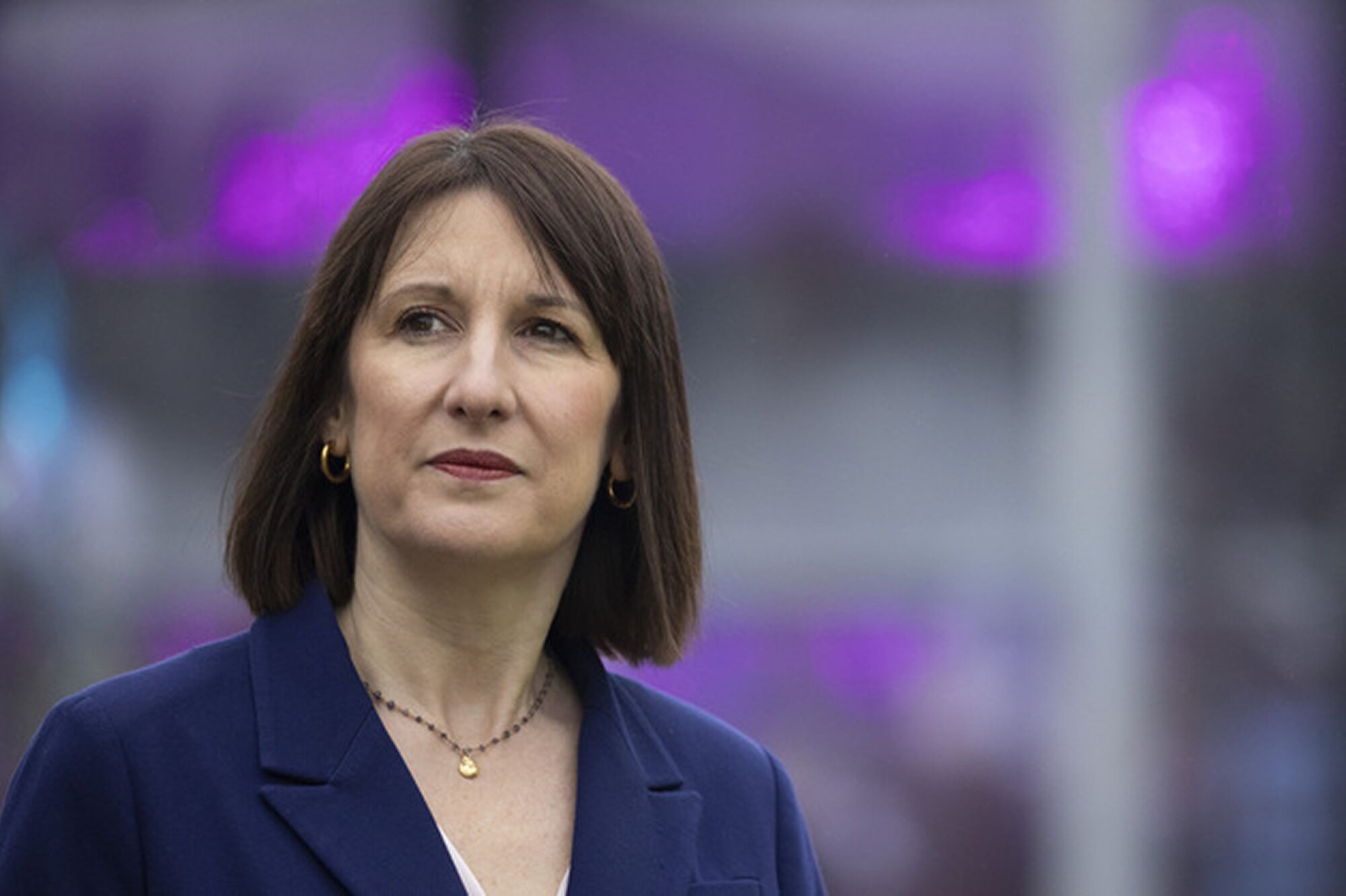
The Chancellor, Rachel Reeves, confirmed that the personal tax-free allowance will remain frozen at £12,570 until 2031. While the full state pension currently stands at £11,973 a year just below the allowance the combination of state pension increases and additional income can push pensioners into the taxable bracket.
When including workplace and other pension sources, a significant proportion of pensioners surpass the threshold and face greater tax liabilities. Chartered financial advisors have cautioned that, as inflation continues and thresholds remain static, more low-income retirees will be affected in the coming years.
Impact of State Pension Increases
The government’s ongoing adherence to the ‘triple lock’ mechanism sees the state pension rise annually, keeping pace with inflation and average earnings growth. From April 2026, the full state pension is set to rise to £12,547 per year, bringing it within £23 of the tax-free personal allowance.
This anticipated increase means even more pensioners could become subject to taxation in subsequent years. Stakeholders have noted that, without corresponding increases to the allowance, these incremental rises will continue to erode retirees’ disposable income.
Older Pensioners Most Affected
Analysis of Department for Work and Pensions data highlights that pensioners over the age of 80 are disproportionately affected. Many older pensioners receive state pension top-ups, such as additional state pension amounts or entitlements from the now closed State Earnings-Related Pension Scheme (SERPS).
As a result, they are more likely to have an income above the current threshold and therefore pay higher taxes. Demographic pressures and policy changes mean this cohort will continue to face the brunt of the threshold freeze unless further adjustments are made.
Expert Views on Pensioner Taxation
Industry experts warn that the present situation creates a disconnect between policy intent and retirees’ day-to-day reality. Adam Cole, a senior representative from wealth management firm Quilter, stated, ‘
There is a growing disconnect between policy intent and lived experience. Income is rising largely because of government uprating decisions, yet tax allowances have failed to keep pace with inflation.’ He added that many older people now pay more tax without perceivable improvements to their standard of living.
Final Summary
The decision to keep the personal allowance frozen until 2031, alongside consistent state pension increases, is producing higher tax bills for hundreds of thousands of UK retirees. Older pensioners and those with additional retirement income are particularly exposed to these pressures.
Industry professionals anticipate that unless the personal allowance is adjusted to account for inflation or rising pensions, more retirees will face income taxation, limiting their financial flexibility during retirement. For tailored updates on changes to pension taxation and personal finance, Pie app users can stay informed as policies evolve.