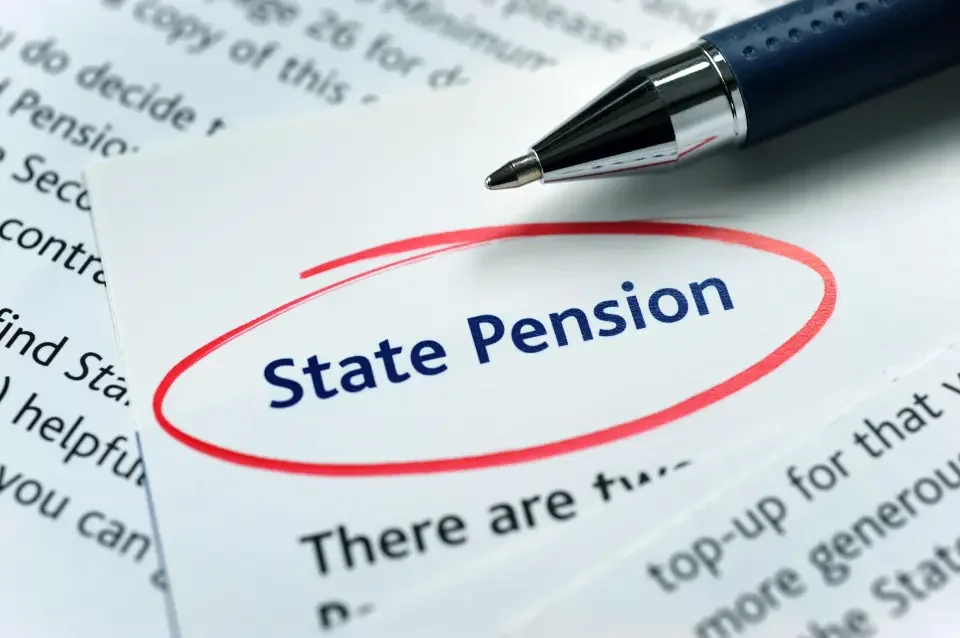
The state pension bill in the United Kingdom is anticipated to rise sharply over the next five years, driven by an ageing population and the continuation of the triple lock guarantee. Forecasts indicate that the annual cost of providing the state pension could reach £171.7 billion by 2029-30, up from £136.6 billion in 2024-25.
This projected increase of £35.1 billion will likely translate to a higher financial burden for working-age taxpayers under 65, with each potentially contributing over £1,000 more per year.
The growing fiscal challenge has sparked concerns about the long-term sustainability of the pension system and the impact on the nation's public finances.
Rising State Pension Costs Projected
Official estimates suggest that state pension expenditure will surge by more than £35 billion over the next five years, reaching £171.7 billion annually.
Analysis from wealth management firm Quilter estimates this rise could represent an additional £1,093 a year for each income taxpayer under 65, based on current tax base projections. When adjusted for inflation, the cost per taxpayer is expected to grow by approximately £561 by the end of the current parliamentary term.
Impact of Triple Lock and Demographic Shifts
The triple lock mechanism is set to deliver a 4.8 percent increase to pensioners in April, lifting the new full state pension to £12,547.60.This guarantee provides income stability to retirees but increases government expenditure significantly, especially as the number of claimants grows.
Demographic trends show that people aged 65 and over now make up roughly one in five of the UK population, a proportion expected to exceed one in four over the next half-century, according to the Office for National Statistics.
The ongoing retirement of the post-war baby boomer generation is placing further upward pressure on pension costs and altering the ratio between workers and retirees.
Fiscal Pressure on Working-Age Taxpayers
The expanding pension bill intensifies the fiscal load on those of working age, who are being asked to shoulder a higher per capita share of the pension cost.
Economic inactivity among younger people has increased, and recent tax policy has extended the freeze on income tax thresholds through 2031, further affecting take-home pay.
Adam Cole of Quilter noted, 'An increase of more than £35bn in nominal terms is not just an abstract number on a Treasury balance sheet, it ultimately has to be met by today’s working population through higher taxes, more borrowing, or cuts elsewhere.' He emphasised the growing challenge for both current and future governments in managing pension financing.
Long-Term Trends in Pension Spending
Pension spending in the United Kingdom has climbed from approximately 2 percent of GDP in the early 1950s to over 7 percent today. Sustained increases reflect both greater life expectancy and the maturing of public pension schemes.
Population projections suggest these pressures are set to intensify as the proportion of older residents continues to rise. The age for state pension eligibility is also due to increase, moving from 66 to 67 over the coming year and rising further to 68 by 2046.
There is a consensus among policy experts and advisers that additional increases may be necessary to address the ongoing shift in the population balance.
Official Response and Underlying Assumptions
A spokesperson for the Department for Work and Pensions (DWP) challenged the analysis presented by Quilter, stating, 'The calculation is flawed as it makes false assumptions about the UK taxpaying population.'
The DWP noted that projections must account for a growing working-age population and the fact that pensioners also pay income tax above the personal allowance.
Quilter’s projections assumed that the number of income taxpayers under 65 would increase by 7.3 percent over the current parliament, in line with ONS forecasts for UK population growth between 2022 and 2032. This would see the taxpayer cohort rise from 29.9 million to 32.1 million by 2029–30.
Final Summary
The rising cost of the UK state pension presents a substantial challenge for government finances, especially as the nation’s age profile shifts. Higher expenditure, driven by demographic changes and policies such as the triple lock, risks placing greater financial demands on those currently in work.
While future reforms may focus on adjusting the state pension age or reviewing the generosity of annual increases, concerns remain about the adequacy of retirement income for future pensioners with limited private savings.
The financial sustainability of the state pension is expected to remain a significant policy focus over the coming years.