What you need to know
Secure identity tokens represent a growing class of digital assets raising complex tax questions for UK investors and businesses. HMRC's stance on these tokens falls under broader crypto asset guidelines but with distinctive considerations.
Tax treatment depends on how these tokens are used, whether for investment, business purposes, or identity verification. Understanding the tax implications now can prevent costly mistakes when the digital identity ecosystem expands further.
The UK's first personal tax app, Pie tax, helps you track digital assets and calculate tax obligations with ease. Or if you're just here to get to grips with it all, let's break it down!
What Are Secure Identity Tokens and How Are They Taxed?
Secure identity tokens are digital assets that verify identity or access rights across blockchain networks. They function as secure, portable proof of who you are or what you're allowed to access.
HMRC generally treats these tokens as crypto assets in their tax guidance. This means similar rules apply as with Bitcoin or other cryptocurrencies, but with some important differences.
The way you use identity tokens matters for tax purposes. Are you holding them as an investment? Using them to access services? Or receiving them as payment? When you sell identity tokens at a profit, Capital Gains Tax typically applies. You'll need to calculate your gain and report it on your self-assessment tax return.
If you receive tokens as payment for goods or services, Income Tax might apply instead. The value at the time of receipt is what matters for tax calculations.
Capital Gains Tax for Secure Identity Tokens
Every time you sell, trade, or give away identity tokens, it creates a "disposal" for tax purposes. Each disposal might trigger Capital Gains Tax if you've made a profit.
The tax-free CGT allowance (£6,000 for 2023/24) can help reduce your tax bill. This allowance covers gains from all assets, not just crypto tokens.
Swapping one type of token for another counts as a disposal too. Many people don't realise this and end up with unexpected tax bills.
Keeping detailed records is essential. You'll need dates, values, and transaction details for every token movement to calculate your tax correctly.
HMRC's "pooling" rules apply to identity tokens just like other crypto assets. This means tokens of the same type are grouped together for calculating gains and losses.
Income Tax Implications for Token Recipients
If you receive identity tokens as business income, they'll be taxed based on your Income Tax band. The value at receipt determines how much tax you owe.
Airdrops of identity tokens might count as taxable income. HMRC looks at whether you did something to earn them or if they were truly given for free. Staking rewards that generate identity tokens create taxable events too. You'll need to record the market value when you receive them.
If you're regularly trading or providing services with identity tokens, you might face self-employment tax. This includes National Insurance contributions as well as Income Tax.
The tax is calculated on the value when you receive the tokens, not when you sell them. This can create cash flow issues if the token value drops before you pay the tax.
Business Considerations and Corporate Tax
Businesses holding identity tokens face different tax treatment compared to individuals. Corporation Tax applies instead of Capital Gains Tax.
Companies using identity tokens for customer verification or access control may have different tax treatment than those holding them as investments. VAT considerations come into play depending on how the tokens are used. Some token-based services might be VAT-exempt while others are standard-rated.
Businesses can claim allowable expenses related to token custody and security. This includes costs for secure storage solutions and verification systems. Employee rewards in the form of identity tokens count as benefits in kind. They need to be reported through PAYE and have tax and National Insurance implications.
Compliance and Reporting Requirements
All relevant token transactions must be included on your self-assessment tax return. Missing transactions can lead to penalties even if they were accidental omissions.
HMRC requires you to keep records for at least five years after the submission deadline. For complex token portfolios, good record-keeping software is worth the investment. The crypto asset reporting section of your tax return needs specific details about your token activities. General descriptions won't satisfy HMRC requirements.
If you hold identity tokens on overseas platforms, you might have additional reporting obligations. This could include the Foreign Asset reporting requirements.
Late reporting or payment can result in penalties and interest charges. It's always better to report on time, even if you can't pay the full amount immediately.
Practical Tax Planning Strategies
Consider timing your token sales to make the most of your annual CGT allowance. Spreading disposals across tax years can reduce your overall tax bill.
Loss harvesting can be effective with volatile tokens. Selling tokens at a loss can offset gains from other assets in the same tax year. Be aware of the "bed and breakfasting" rules that prevent tax avoidance through immediate repurchases. You'll need to wait 30 days before buying back the same tokens.
I learned this lesson the hard way last year when I sold some tokens at a loss, then bought them back a week later. HMRC disallowed my loss claim, which cost me nearly £800 in additional tax.
Different wallet structures can affect your tax position. Some setups offer more flexibility for managing your tax exposure legally. For large token portfolios or complex situations, professional tax advice is worth the cost. The tax savings often outweigh the fees for expert guidance.
Final Thoughts
The taxation of secure identity tokens remains an evolving area as digital identity systems become more mainstream in the UK. HMRC continues to refine its approach, making it essential to stay informed of guidance updates and policy changes.
Maintaining meticulous records of all token transactions is your best defence against unexpected tax liabilities. With proper planning and awareness, you can navigate the tax implications of these innovative digital assets efficiently.
Pie.tax: Simplifying Digital Asset Tax
Navigating the complex world of digital asset taxation doesn't have to be overwhelming. The UK's first personal tax app helps you stay on top of your secure identity token tax obligations without the headache.
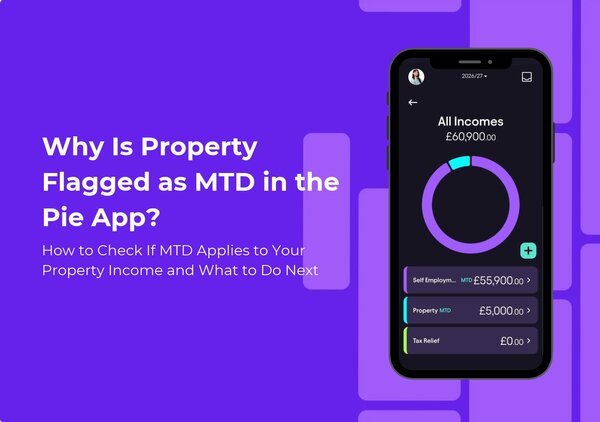
Our multi-income dashboard tracks all your token activities alongside traditional income sources. This gives you a complete picture of your tax position at a glance.
Pie.tax's automated bookkeeping features categorise your token transactions correctly without manual intervention. This saves hours of administrative work and reduces the risk of costly errors.
Real-time tax calculations help you make informed decisions about when to buy or sell tokens. You can see the tax impact of potential transactions before making them.
Explore the Pie tax app if you'd like to see how it works with your secure identity token portfolio.