Rachel Reeves' Spring Forecast Sparks UK Economic Debate

Rachel Reeves' Spring Forecast Sparks UK Economic Debate
Charlotte Baroukh

Charlotte Baroukh

Tax Expert @ Pie

3 min read

Updated: 4 Mar 2026

3 min read

Updated: 4 Mar 2026

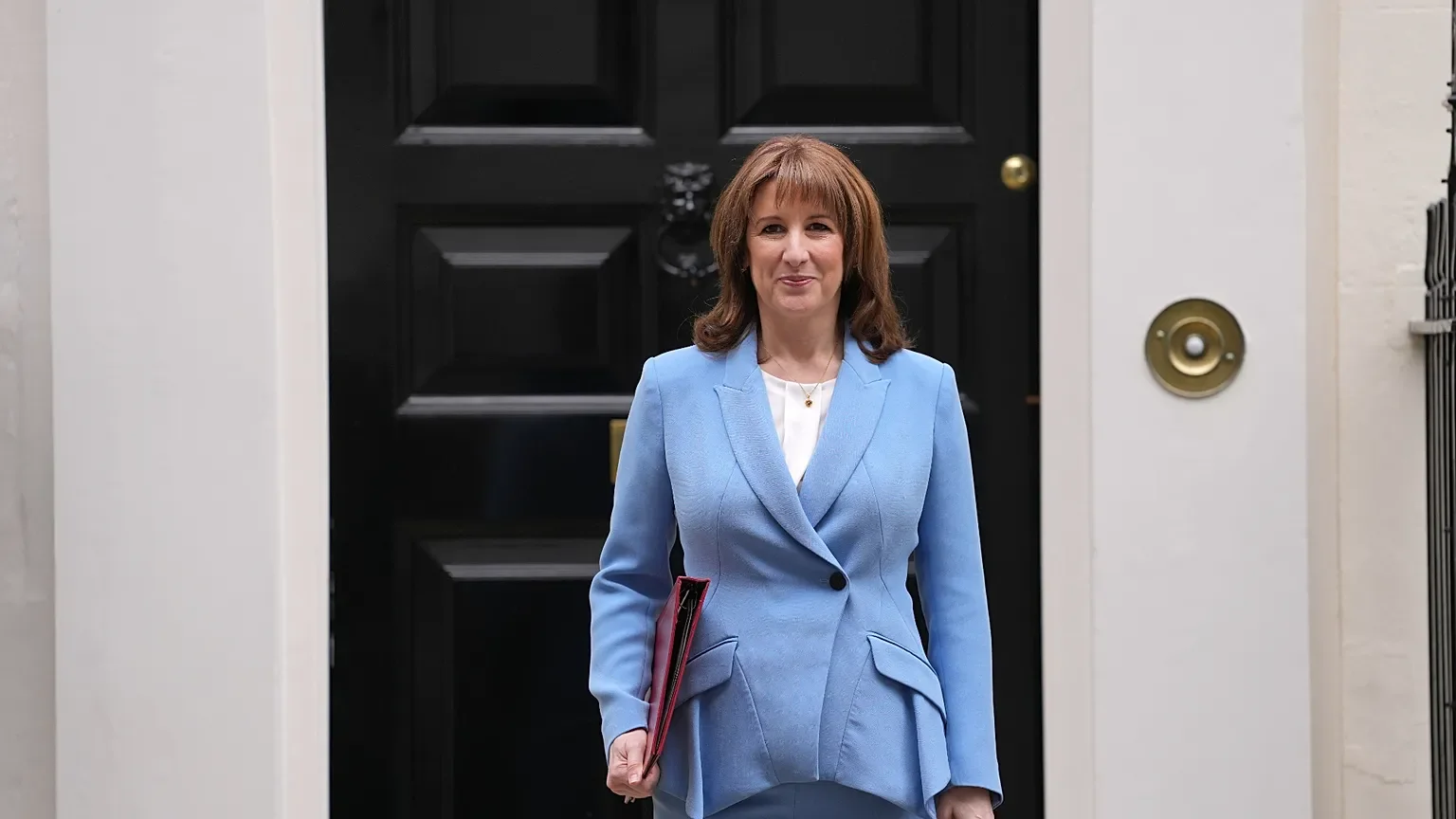
Chancellor Rachel Reeves’ recent spring economic forecast has ignited widespread discussion concerning the United Kingdom’s financial direction. Addressing Parliament on 3 March, Reeves declared that Labour possesses “the right economic plan” to guide the country through growing international uncertainties.


The forecast, shaped against a background of volatile global markets and domestic political challenge, has prompted varied responses across economic and political spheres.


Economic growth projections, inflation, public investment, and the effectiveness of current fiscal rules have all come under scrutiny, prompting a debate about the country’s next steps.

Chancellor Outlines Economic Confidence Amid Uncertainty

Rachel Reeves stated her belief in the government’s economic management, emphasising achievements in stabilising inflation and safeguarding economic growth.


According to the Office for Budget Responsibility (OBR), inflation is forecast to fall to 2.3% in 2026, down from 3.4% the previous year, with the government on track to meet the 2% target by late 2026. Reeves asserted that these projections reflected the success of Labour’s strategy, aiming for sustained improvements in real household incomes and economic stability.


The Chancellor’s stance is that steady fiscal leadership is essential in an unpredictable global landscape, citing falling inflation, higher productivity, and lower interest rates as evidence of improving conditions.


However, several analysts and commentators have questioned whether reliance on OBR forecasts and the campaigning tone signal adequate progress for the public or represent an overstatement.

Calls for Greater Public Investment and Reform

Some economic voices have challenged the spring forecast for a perceived lack of ambition in tackling structural economic challenges, such as inadequate investment in infrastructure, housing, and public services.


It has been argued that increasing public sector investment, rather than depending predominantly on private sector activity or deregulatory measures, could more effectively address long-standing issues including housing shortages, underperforming infrastructure, and regional inequality.


Observers note that recent Conservative and Labour administrations have increased defence spending, which Chancellor Reeves described as “the largest since the end of the cold war.”


Critics, however, question whether increased military expenditure provides economic benefit and argue the funds could be more effectively allocated to domestic sectors that drive jobs and growth.

Green Industrial Policy Proposed for Resilience

Experts in economic innovation, such as Professor Mariana Mazzucato, have made the case for bolder public investment, particularly in clean energy and climate resilience. The recent volatility in oil and gas prices highlights the vulnerability of the UK to global supply shocks, reinforcing the argument for accelerating the transition to renewable energy.


Mazzucato pointed out that business investment in the UK ranked lowest among G7 countries for the majority of the past three decades. Public investment in the UK has also lagged, averaging just 2.6% of GDP over the past 25 years, below the G7 average of 3.5%.


She advocated for a more active state role, including expanded and more strategic use of public institutions such as the National Wealth Fund, which currently holds £28 billion in capital, incomplete compared to Germany’s €500 billion infrastructure fund. According to Mazzucato, recalibrating fiscal metrics to better value long-term investment could unlock greater economic benefit and resilience.

The Role and Reform of Economic Forecasting Institutions

The OBR, a central institution in government economic planning, was established to restore credibility during the aftermath of the 2008 financial crisis. However, some commentators now argue that its short-term focus and conservative approach may overly constrain policy options, particularly for investments with long-term payoffs.


The fiscal framework is seen by some as encouraging caution, scoring the costs of infrastructure immediately while failing to account for future gains from improved skills, higher employment, and stronger regional economies.


There are proposals to modernise fiscal oversight by lengthening forecast windows and updating rules to capture the long-term returns on strategic public outlays. The objective would be to maintain fiscal discipline while enabling higher investment in national prosperity.

Political Context and Public Reaction

The political environment has further complicated the government’s position. Recent polling data indicates a surge in support for the Green Party, surpassing Labour among voters seeking alternatives to the Conservatives and Reform UK.


Critics warn that without more dynamic policy initiatives, Labour could face significant challenges in the next general and local elections. Decisions to lift policies such as the two-child benefit cap demonstrate increased fiscal flexibility due to economic improvements.


However, opponents suggest that more visionary policies are required to reverse declining party support and address voters' concerns over public services, living standards, and environmental security.

Final Summary

Chancellor Rachel Reeves’ spring economic forecast has provoked robust debate about the UK’s path to sustained prosperity. While recent macroeconomic indicators show improvement, critics argue for more transformative public investment and institutional reform.


Proposals centre on enhancing the state’s direct role in economic development, accelerating green investment, and modernising the UK’s fiscal and forecasting rules.


Political pressure is mounting as alternative parties gain ground, placing the government under scrutiny to deliver genuine improvements in living standards and long-term growth prospects.


For those tracking the changing UK fiscal landscape, tools like the Pie app can help users stay informed on public spending, budget updates, and policy changes.

Want to get smarter about taxes?

The Tax Pible has tax tips, guides, video tutorials, and expert insights.


Stay up to date with the latest tax news and watch the UKs first tax podcast - the Piecast

Want to get smarter about taxes?
Whatsapp Pie Tax