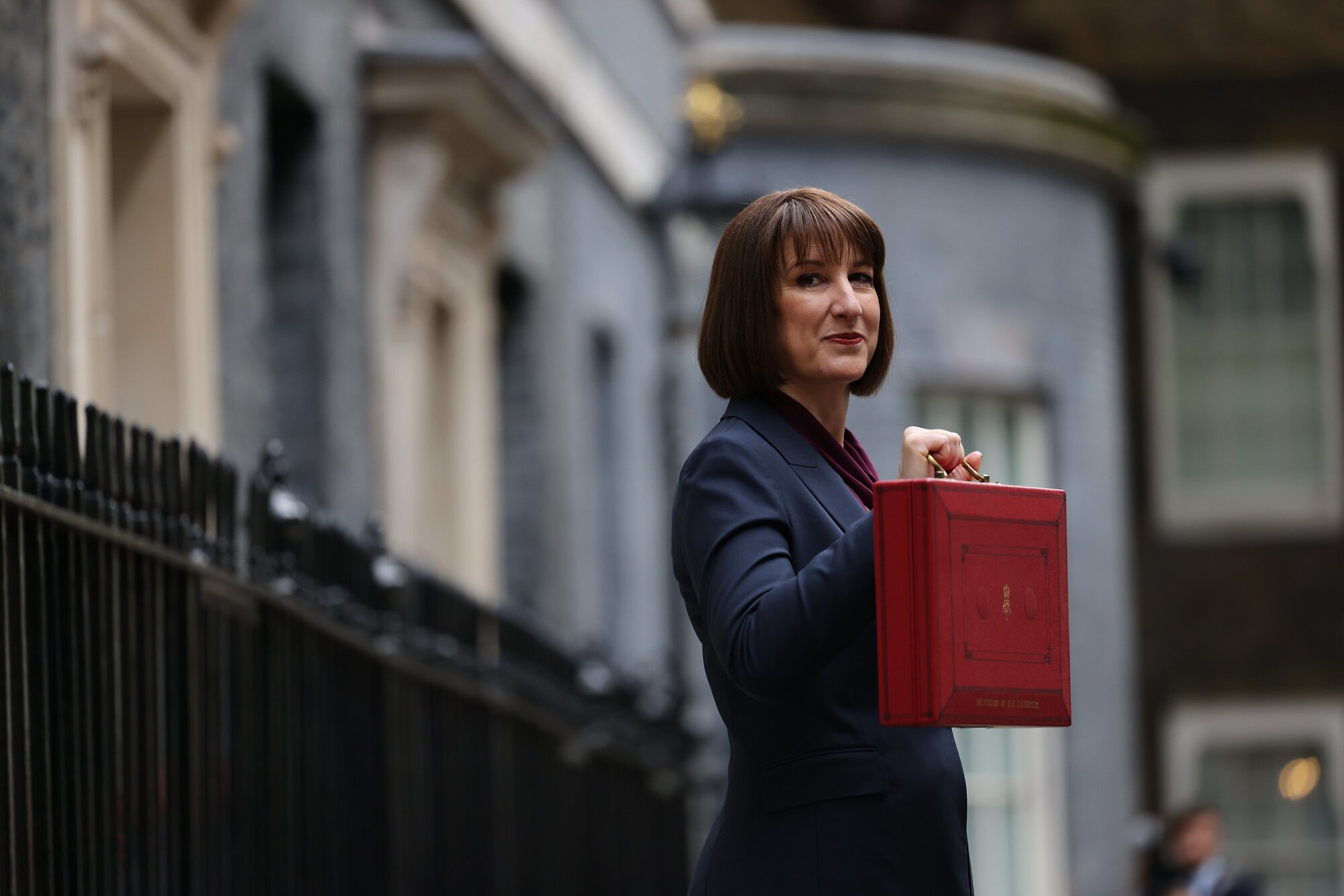
Rachel Reeves Considers Property Tax Overhaul

Rachel Reeves Considers Property Tax Overhaul
Charlotte Baroukh

Charlotte Baroukh

Tax Expert @ Pie

3 min read

Updated: 24 Nov 2025

3 min read

Updated: 24 Nov 2025

Introduction

With the UK government searching for new revenue sources ahead of the Autumn Budget, Chancellor Rachel Reeves faces the urgent task of closing an estimated £22 billion gap in public finances. Set against a backdrop of slowing economic growth and mounting public spending commitments, speculation has intensified over potential reforms to property taxation.


Reeves has publicly acknowledged that there are “no easy choices,” and her possible options, ranging from council tax reforms to changes in stamp duty or landlord taxation, carry both significant fiscal and political implications.

Rising pressure on government finances

The Institute for Fiscal Studies (IFS) estimates the government needs at least £22 billion in additional revenue to stabilise the country’s finances. Amid these pressures, ministers have shown reluctance to recommit to manifesto pledges not to raise taxes on “working people,” intensifying uncertainty over the direction of fiscal policy.


Reeves has signalled that any tax increases will be focused on those “with the broadest shoulders” a term widely interpreted as a reference to wealthier property owners and high earners. With major revenue sources such as income tax, National Insurance, and VAT reportedly off-limits, analysts suggest that property could become a target for reforms.


Tax expert Dan Neidle, providing evidence to the Treasury Committee, cautioned against piecemeal measures that could further complicate the UK’s intricate tax system, saying “every time you create 10 more tiny tax rises and tax changes, you add to that layer which has ossified our tax system.”

Mansion tax and high-value property reform

Among the most discussed proposals is a potential “mansion tax” on high-value properties. One scenario under review could introduce a 1 per cent annual charge on homes valued above £2 million, which would result in a £10,000 yearly tax on a property worth £3 million.


Another option includes removing the capital gains tax (CGT) exemption from primary residences worth more than £1.5 million, targeting the gains realised when such high-value homes are sold. Currently, CGT is levied at 24 per cent for higher and additional rate taxpayers on assets other than primary residences, with an annual allowance of £3,000.


Removing the exemption would significantly increase liabilities for some homeowners; for example, a sale generating a £1 million gain would incur a £240,000 tax bill at the higher rate. Hannah Aldridge, senior policy analyst at the Resolution Foundation, has stated any such measures would only be as effective as their threshold levels, noting, “my instinct is it won’t generate the level of revenue that some changes to the income tax system could generate.”


She also highlighted property wealth as “undertaxed” compared to income, while acknowledging council tax reform may be a fairer route to address the imbalance. Political challenges are acute, particularly in London and South East England, where high property values do not always reflect disposable income. Any move towards a mansion tax risks backlash from both homeowners and opposition parties.


Council tax proposals and regional impacts

Calls for the overhaul of council tax, which is still based on 1991 property valuations, have grown louder from economists and politicians.


The IFS recommends replacing the current system with charges based on up-to-date values, making the structure more proportional and equitable. The Treasury is reportedly considering a model based on proposals from the think tank Onward, which would shift the obligation from occupiers to property owners and cap liabilities at £500,000 for the most expensive homes.


Recent reports indicate the government may focus on revaluing properties in the highest council tax bands. This could affect around 2.4 million households in England, with new surcharges for properties worth more than £1.5 million potentially generating an estimated £600 million additional revenue annually. Owners of such homes could see their tax bills rise by around £2,000 per year. However, concerns remain about the impact on homeowners in regions outside London and the South East, where property value increases have trailed the capital.


Labour MPs representing northern constituencies have urged the chancellor to scrap or thoroughly reform the system, describing it as “unfair and outdated”.

Stamp duty reform and market effects

Stamp duty, currently paid by home buyers and responsible for raising £11.6 billion in 2023/24, has come under scrutiny for impeding property transactions and mobility.


IFS Director Helen Miller described it as “awful” and suggested that any substantial reform of property tax could pave the way for stamp duty’s replacement. One model under consideration is a national property sales tax, levied only on the portion of the sale price above £500,000, which would reduce the number of property transactions subject to tax from 63 percent to 22 percent.


For example, a home selling for £600,000 would attract a £540 charge, while a £1.5 million property would incur £6,790 in tax. There are also proposals to shift the tax burden from buyers to sellers, intended to ease access to home ownership.


However, critics suggest this could be unpopular with older homeowners, and previous parliamentary motions to abolish stamp duty have failed.

Landlord tax proposals and the rental market

The government is considering subjecting rental income to National Insurance (NI) contributions, an approach that could raise as much as £2 billion.


At present, landlords pay income tax on rental profits but are exempt from NI, as the earnings are not classified as “earned income.” Extending NI contributions which are set at 8 percent, dropping to 2 percent above £50,270 would create a new revenue stream without directly breaching Labour’s pledge not to raise taxes on “working people.”


However, housing analysts caution that increased taxation could reduce the supply of rental homes if landlords choose to exit the market. Recent changes, including energy efficiency requirements and Scottish rent controls, have increased pressure on landlords. Critics warn that these reforms, when combined with new levies, could drive up rents and exacerbate shortages in the private rented sector.

Final Summary

As the Autumn Budget approaches, property tax reform has emerged as central to the government’s plans to address the fiscal deficit. Chancellor Rachel Reeves must weigh the need for new revenue against the risk of alienating homeowners, landlords, and renters across the UK.


Reforms under discussion from surcharges on high-value homes and council tax bands to changes in stamp duty and landlord taxation reflect both economic necessity and political calculation.


With public sentiment divided and regional disparities evident, the outcome will likely shape the housing market and the broader tax system for years to come. For those seeking further insights into property finance and personal tax, the Pie app offers timely news and analysis.

Want to get smarter about taxes?

The Tax Pible has tax tips, guides, video tutorials, and expert insights.


Stay up to date with the latest tax news and watch the UKs first tax podcast - the Piecast

Want to get smarter about taxes?
Whatsapp Pie Tax