Rachel Reeves Backs Major Online Gambling Tax Rises in Budget Move
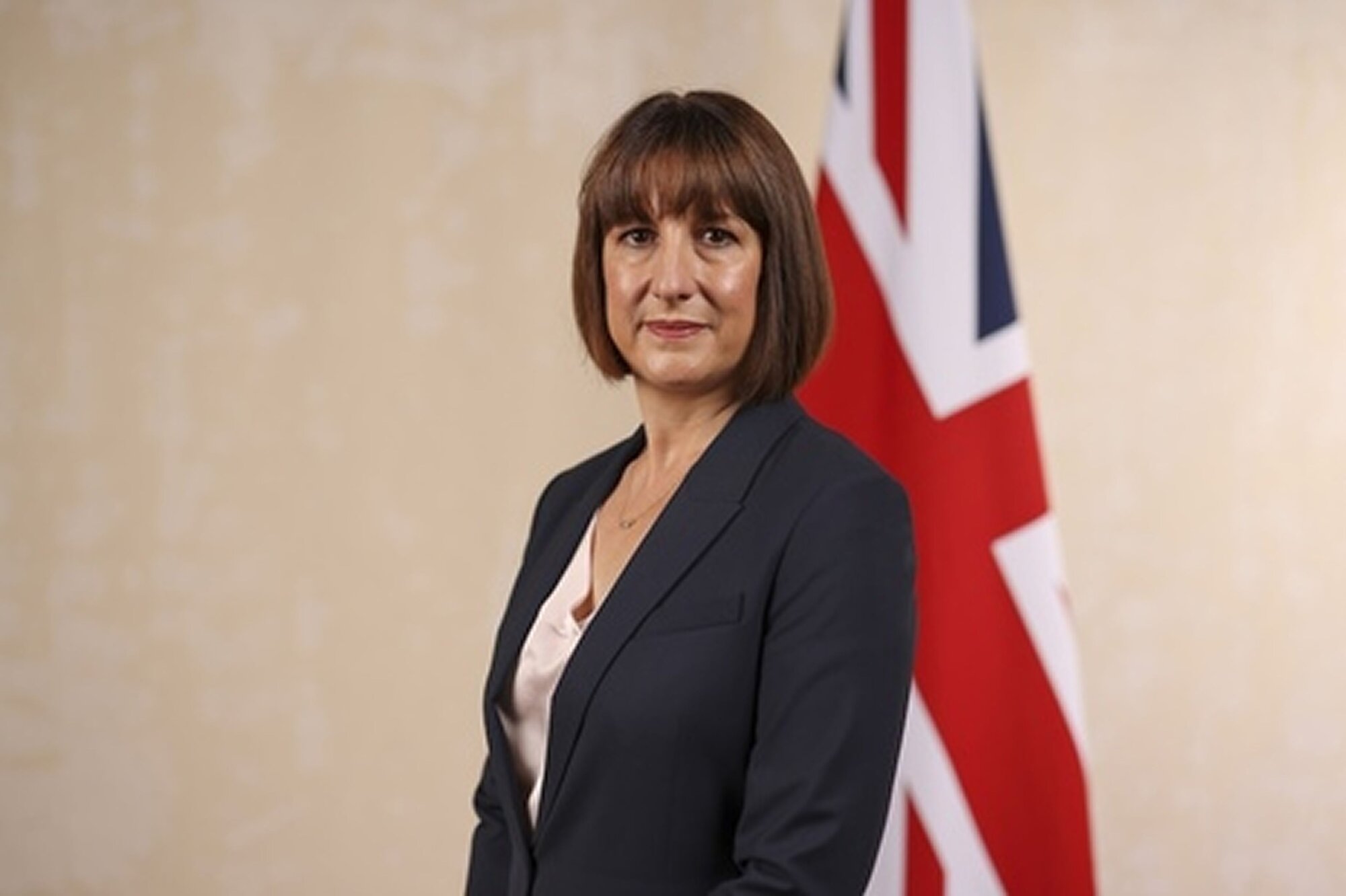
Rachel Reeves has approved significant tax increases on online gambling as part of her latest Budget, following sustained pressure from MPs and recommendations from the Treasury Committee. The move marks a major shift in how digital betting is taxed in the UK.
Ministers believe the changes will raise more than £1 billion a year once fully implemented, with the Government arguing the reforms are necessary to reflect the social harm linked to online gambling.
Remote Gaming Duty Set to Nearly Double
Under the new plans, remote gaming duty will almost double, rising from 21 per cent to 40 per cent from April 1, 2026. This applies to online casino-style games, which MPs have repeatedly described as highly addictive and difficult to regulate.
The Treasury Committee rejected claims from the gambling industry that online betting does not cause significant social harm. MPs argued that taxation should better reflect the costs placed on public services by problem gambling.
Online Betting Tax to Rise From 2027
Remote betting duties will also increase sharply, with the rate set to rise from 15 per cent to 25 per cent from April 1, 2027. This will affect a wide range of digital betting platforms, including sports betting apps and websites.
The Government said the phased introduction of the changes would give firms time to adapt while ensuring a steady increase in revenue for the public purse.
Traditional Gambling Largely Spared
In contrast, traditional forms of gambling will be exempt from the new tax rises. Bets placed on UK horse racing will not be affected, and in-person gambling activities such as casinos and betting shops will continue to operate under existing duty rates.
Bingo halls are set to benefit significantly, with bingo duty being abolished entirely from April 2026. Ministers said this was intended to support community venues and protect jobs.
MPs Welcome ‘Common Sense’ Approach
Dame Meg Hillier, chair of the Treasury Committee, welcomed the announcement, describing it as a “victory for common sense”. She said online gambling taxes should better reflect the harm caused by digital betting products.
She added that the changes represent a long-overdue update to the tax system, bringing it more in line with modern forms of gambling rather than favouring outdated models.
Part of Wider Tax Reform Strategy
The Treasury said the gambling tax rises form part of a broader effort to create a fairer, more sustainable tax system. Rachel Reeves has faced growing pressure to raise revenue without increasing headline income tax rates.
With further tax reforms expected later in the Parliament, the online gambling sector is likely to remain under close scrutiny as the Government looks for additional sources of funding.