Rachel Reeves Clarifies Stance On Budget Tax Hike

Rachel Reeves Clarifies Stance On Budget Tax Hike
Charlotte Baroukh

Charlotte Baroukh

Tax Expert @ Pie

3 min read

Updated: 13 Jan 2026

3 min read

Updated: 13 Jan 2026

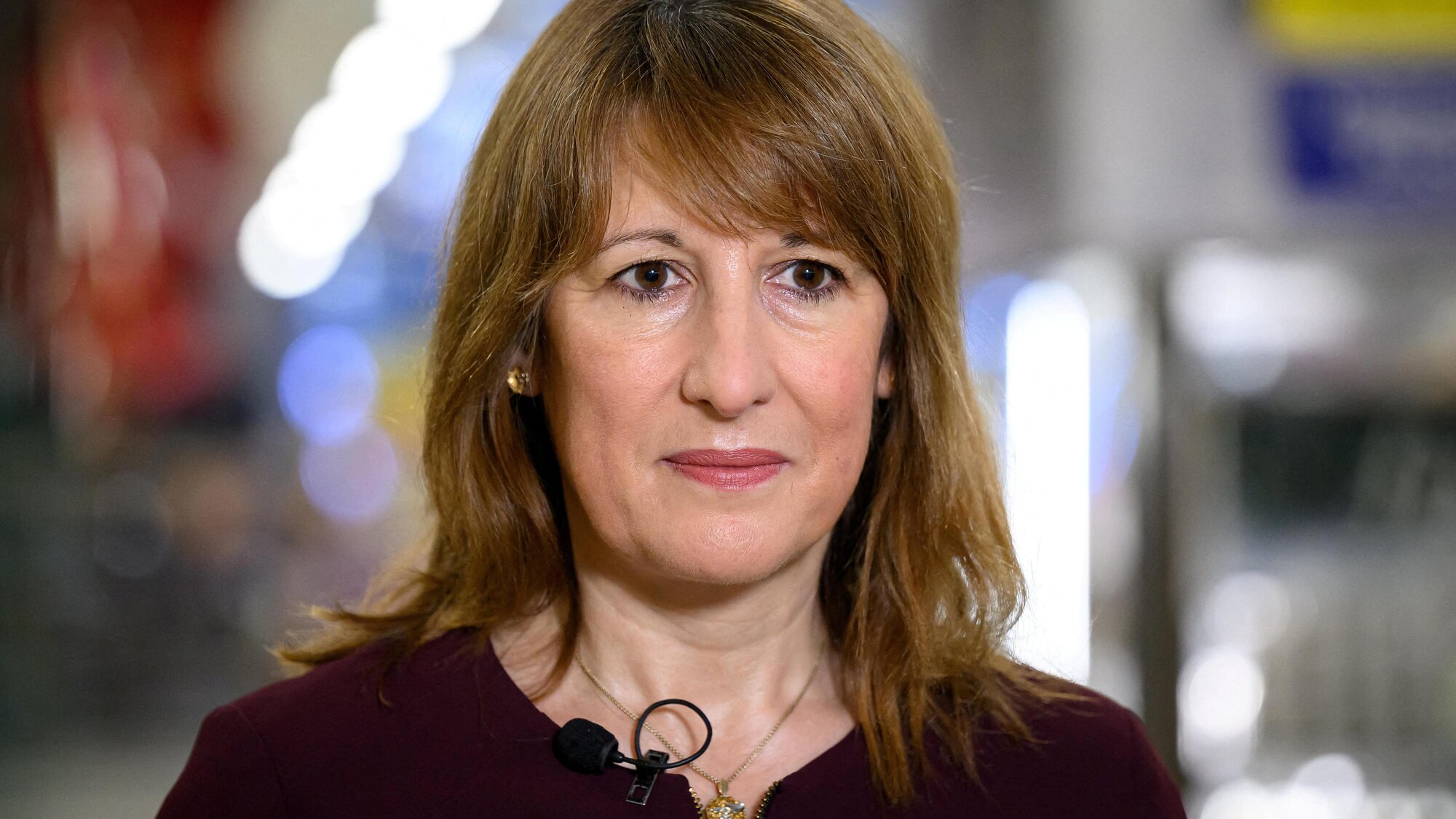
Chancellor of the Exchequer Rachel Reeves has addressed recent concerns surrounding a reported £26 billion tax increase introduced in the latest budget statement. Responding to scrutiny from the opposition and financial commentators, Reeves clarified Labour’s position and responsibility for the fiscal decisions enacted.


The clarification comes amid ongoing debate about the scale and distribution of the tax burden, as well as who within the government was primarily accountable for authorising the changes.


The fiscal developments arrive at a time of heightened public interest in the government’s approach to economic recovery and funding.

Chancellor addresses budget concerns

Rachel Reeves, in her capacity as Chancellor, confronted questions about the scale of the tax rises implemented this year. The budget includes measures expected to raise approximately £26 billion, intended to fund public services and aid economic recovery efforts.


Reeves detailed the rationale behind the increases, citing economic pressures and a need to address public sector funding gaps. The Chancellor explained that the choices surrounding the budget were made in the context of difficult economic circumstances, adding that


“every decision was taken with the intention to support those in need whilst balancing fiscal responsibility.” Her remarks were aimed at alleviating anxiety regarding the perceived impact on both individuals and businesses.

Context behind budget tax increase

The recent budget’s tax increases follow several years of challenging economic conditions, including rising living costs and persistent inflation. The government has faced mounting pressure to finance rising demands on public services and manage public debt responsibly.


Proposals in the budget cover a range of taxes across income brackets and business sectors. Reeves defended the overall approach by stressing that the measures are temporary and targeted, geared towards stabilising the economy.

Keir Starmer’s involvement explained

Amid criticism, public discussion circulated regarding the role of Labour leader Keir Starmer in authorising the revenue-raising measures. Reeves clarified in public statements that while the Chancellor has direct responsibility for the content of the budget, all major fiscal decisions are thoroughly discussed within cabinet.


She stated, “Decisions on the budget are a joint effort and the result of collective cabinet process, led by the Chancellor but supported by the leadership.”


There is no verified evidence indicating that Starmer individually directed the £26 billion tax change; cabinet minutes reflect a collaborative approach.

Financial and political reactions

The budget announcement led to significant debate within Parliament and among economic analysts. Some opposition MPs criticised the rise, warning of potential strain on families and business owners. Others noted that higher revenues are essential for maintaining public investment.


Analysts have observed that while the headline figure is notable, the overall effect depends on implementation and any mitigating support the Treasury offers to vulnerable groups.


Economic consultancy reports indicate that carefully phased tax adjustments may minimise negative impacts, provided they are matched with spending efficiency.

Impact on households and businesses

Households are among those most affected by the tax adjustments, particularly those in middle and lower income groups. Reeves confirmed that targeted relief is under consideration for certain groups to cushion the effects of the rise. For businesses, the government has signalled continued support where needed.


Reeves emphasised ongoing dialogue with industry leaders to assess and respond to evolving economic challenges. Official data from the Office for National Statistics suggests the overall tax burden remains near long-term averages for developed economies, even after the increases.

Final Summary

Rachel Reeves’ clarification over the £26 billion budget tax increase underlines both the government’s collective approach and the specific responsibilities borne by the Chancellor.


While political debate continues over the scale and impact of tax rises, official statements emphasise the government’s focus on prudent financial management and economic recovery.


The evolving fiscal landscape remains closely watched by both the public and key stakeholders. Readers seeking updates on tax and budget policy developments can find further insights using tools such as the Pie app.

Want to get smarter about taxes?

The Tax Pible has tax tips, guides, video tutorials, and expert insights.


Stay up to date with the latest tax news and watch the UKs first tax podcast - the Piecast

Want to get smarter about taxes?
Whatsapp Pie Tax