Frequently Asked Questions
How do you do construction accounting?
Construction accounting involves job costing to track all project costs, separating personal and business expenses, recording day-to-day financial transactions, selecting revenue recognition methods, tracking business expenses, reconciling statements, focusing on accurate job costing, using cash basis accounting, determining the best tax strategy, investing in software, and having the financial details to answer if a project is on budget and schedule.
It is important to understand the various aspects of construction accounting in order to ensure that projects are completed on time and within budget. Job costing is essential to track all project costs, and separating personal and business expenses is important to ensure accuracy. Additionally, recording day-to-day financial transactions, selecting revenue recognition methods, tracking business expenses, reconciling statements, and paying estimated taxes are all important steps in the process.
What are the essential features of construction accounting software?
Job costing, project management, invoicing and billing, and tax compliance are essential features for construction accounting software, providing efficient organisation of financial operations.
These features help contractors manage their finances more effectively, allowing them to focus on their core business operations. They also help contractors stay compliant with tax regulations.
Construction accounting software can also provide contractors with valuable insights into the construction industry.
What are some top construction accounting software options for builders?
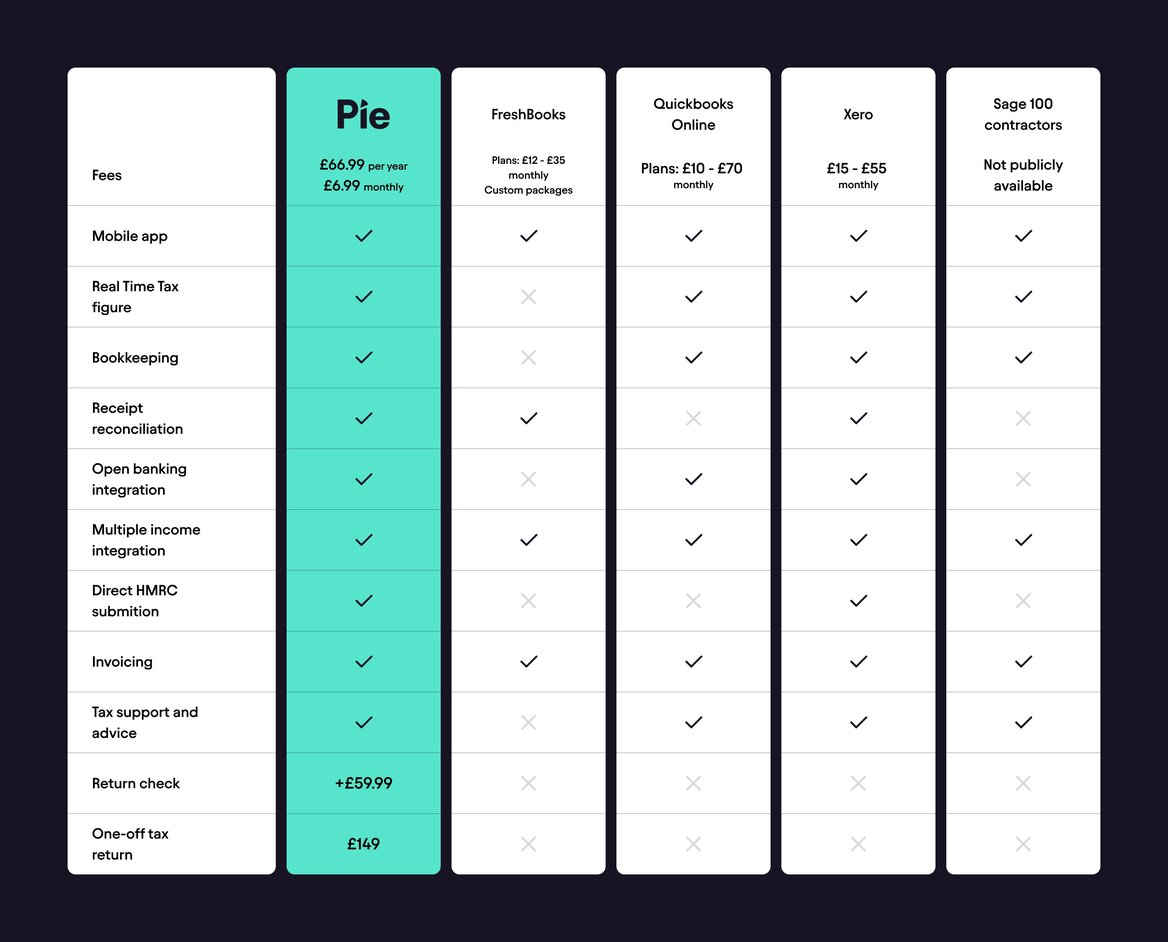
Sage 100 Contractor, QuickBooks Online, FreshBooks, Xero and Pie are a few top construction accounting software options for builders. In this article, we have provided an overview of each software and their respective advantages.