Upcoming changes to the tax reporting process for the self-employed in the United Kingdom are attracting significant attention and concern within the business community. The government will soon begin extending the Making Tax Digital (MTD) scheme to sole traders, requiring increased digital record-keeping and quarterly tax submissions.
These new regulations, set to take effect from next month, are expected to impact millions of self-employed individuals and small business owners.
As the government pursues this wider tax digitalisation agenda, questions are being raised about its implications on costs, administrative burden, and broader economic effects.
Overview of Making Tax Digital
Making Tax Digital is an ongoing government initiative designed to modernise the UK's tax system. The scheme aims to improve the efficiency and accuracy of tax reporting by requiring businesses and individuals with qualifying income to use digital tools for record-keeping and submit updates to HM Revenue and Customs (HMRC) every quarter.
HMRC has stated that the system will reduce errors and increase transparency within the tax system. Critics argue, however, that compliance may place greater demands on sole traders, who will need to learn new digital processes and invest in approved software.
The government maintains that the digital shift is essential for tackling the tax gap and improving public finances.
Timeline and thresholds for new requirements
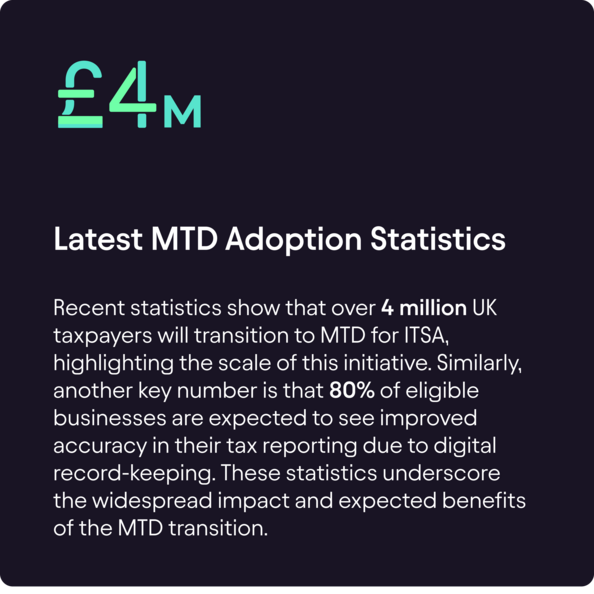
From next month, self-employed individuals and landlords with annual incomes over £50,000 will be the first group required to join the MTD for Income Tax Self Assessment. The threshold will lower to £30,000 in April 2027, followed by a further reduction to £20,000 from April 2028, according to government announcements.
These changes will require qualifying taxpayers to use HMRC-recognised software to make quarterly digital submissions in addition to their annual tax return. Landlords receiving rental income above the income thresholds will also fall under the scheme.
HMRC has advised that support and guidance will be available, but there is ongoing concern about the adjustment period for those affected.
Financial implications for sole traders
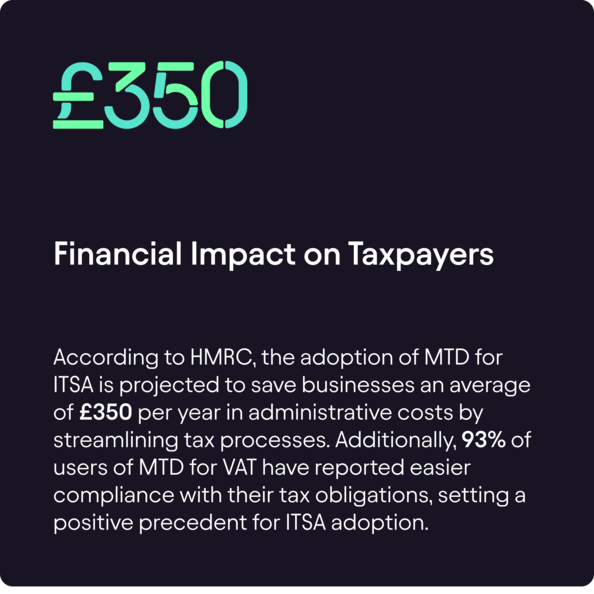
The transition to Making Tax Digital involves purchasing compatible accounting software, which is estimated to cost approximately £350 in the first year, based on guidance from industry bodies.
This financial outlay is in addition to extra time required for quarterly digital reporting. For small-scale operators or those supplementing their primary income, these compliance costs may represent a significant new burden.
There are also concerns that increased administrative responsibilities could divert focus from business development and day-to-day operations. However, supporters argue that digitalisation may provide longer-term efficiencies and better financial insights for businesses.
Economic contribution of the self-employed
Data from the Association of Independent Professionals and the Self-Employed (IPSE) shows that the solo self-employed sector, including owner-managed limited companies, contributed approximately £366 billion to the UK economy in 2024.
This figure reflects the significant role self-employed workers play in national economic growth and Treasury revenues. The range of impacted workers is broad, covering professions from tradespeople and creative freelancers to small business owners.
Many highlight the need for simple, streamlined regulation to support rather than hinder entrepreneurial activity.
Political and business community reactions
Criticism of the MTD expansion has been voiced by figures across the political spectrum as well as business stakeholders. Andrew Griffith, Shadow Secretary of State for Business and Trade, has stated, 'Pressing ahead with 'Making Tax Digital' is just the latest example of a government that neither understands nor cares about business.
Small businesses and the self-employed are the backbone of Britain but they are under constant assault at the moment.' Proponents within government argue MTD will modernise the tax system, close the tax gap, and ensure fairness.
Detractors, however, warn that higher costs and administrative burdens risk stifling entrepreneurship and growth within the self-employed sector. Some industry groups have called for delays or additional support for smaller businesses as the new rules take effect.
Final Summary
The extension of Making Tax Digital to self-employed individuals and landlords marks a significant shift in the UK's approach to tax reporting. With new quarterly digital filing requirements and the introduction of software costs, the policy has generated debate within the business and political communities.
While the government emphasises the need for transparency and tax compliance, many affected by the rules fear increased administrative and financial pressures, particularly for smaller businesses and sole traders.
As the changes roll out, the long-term outcomes will depend on how effectively support mechanisms are implemented and whether the benefits of digitalisation can be realised without undue disruption.
For those interested in staying informed about tax developments and compliance obligations, apps such as Pie can offer useful tools to help manage new requirements efficiently.