Labour’s VAT on Private School Fees Faces Criticism

Labour’s VAT on Private School Fees Faces Criticism
Charlotte Baroukh

Charlotte Baroukh

Tax Expert @ Pie

3 min read

Updated: 23 Feb 2026

3 min read

Updated: 23 Feb 2026

A national debate has emerged over the government’s decision to apply VAT to private school fees. Since the policy took effect in January 2025, private educational institutions across England have begun to experience significant pressure, with over 100 citing financial difficulties leading to closure or mergers.


The measure, introduced by the government with the aim of funding state education improvements, has prompted strong responses from both sector leaders and politicians.


At the centre of the discussion is the impact on pupils, particularly those with special educational needs and disabilities, and concerns about the capacity of the state system to absorb increased demand.

Expansion of VAT on Private School Fees

From January 2025, a 20 per cent rate of VAT was applied to private school fees in England, Scotland, and Wales. The policy, part of the government’s comprehensive education funding reform, was marketed as a revenue-raising initiative.


Officials estimate that the new VAT measure could generate more than £1.5 billion in the first full year of implementation, earmarked for investment in state education. The government’s stated aim is to address educational inequalities and increase funding for schools serving underprivileged communities.


However, the swift policy rollout has been criticised for its potentially disruptive effects on the independent school sector, especially for smaller institutions with limited financial reserves.

Impact on Private and State Schools

According to sector reports, at least 100 private schools nationwide have closed their doors or merged since the tax was introduced. Many within the education sector warn this may just be the beginning, with schools that traditionally serve pupils with special educational needs reporting particular strain.


There is concern that a significant number of pupils may leave the independent sector as a result of increased costs, leading to greater pressure on state schools.


School leaders have voiced worries regarding the ability of state-funded institutions to provide the level of individual support some children previously received in the independent sector.

Government Rationale and Funding Plans

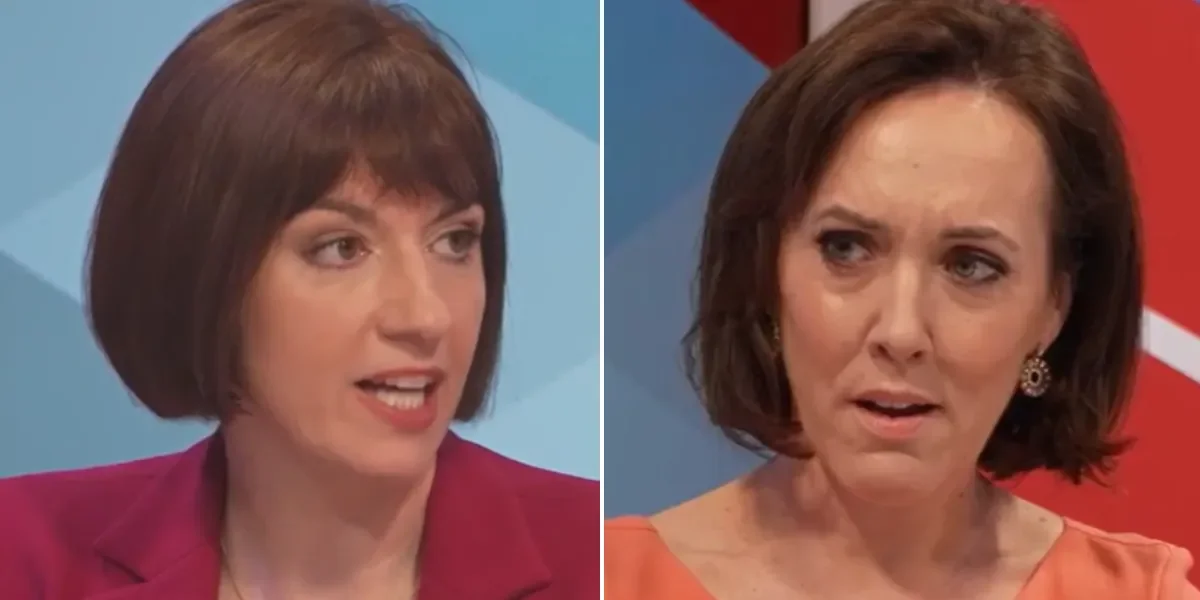
Education Secretary Bridget Phillipson has defended the measure as a means to close the so-called disadvantage gap. In a recent interview, she stated, “We are investing to transform the system so that all children have a better school experience.”


Phillipson acknowledged concerns from parents but stressed the government’s commitment to speedier and more widespread support for disadvantaged children within the state system.


Phillipson elaborated on plans for new funding to be directed toward schools with the greatest concentration of children from low-income backgrounds, with an emphasis on raising overall educational standards. The policy forms part of a broader government strategy to bridge historic inequalities in the education sector.

Special Educational Needs: A Key Concern

A central aspect of the debate is the education of children with special educational needs and disabilities (SEND). Critics warn that the increased cost of private school fees could force vulnerable pupils into state schools not fully equipped to provide specialist support.


Bridget Phillipson responded to such criticism by noting the variability in the quality of SEND provision across the independent sector, stating, “There are many brilliant independent specialist schools, many run by charities… but there are also a number where the quality of education is highly variable.”

Political Response and Sector Reactions

The policy has sharply divided opinion across the political spectrum. Opposition parties have argued that the measure will “drag everyone down,” expressing concerns that the overall quality and accessibility of education may suffer if large numbers of pupils move from private to state schools.


Conversely, the government maintains that the reform will enable increased funding for all, particularly for those who require additional help.


Educational organisations have called for urgent clarity, urging ministers to set out plans for how additional resources will reach SEND pupils and how transitions between education sectors will be managed.

Final Summary

The introduction of a 20 per cent VAT on private school fees has triggered extensive debate across the United Kingdom, exposing tensions between fiscal policy and education provision.


While the government argues that these funds will tackle disadvantage and drive higher standards in the state sector, opponents warn of lost educational choice and increased pressure on public resources, especially for children with special needs.


As policy details continue to be clarified, the full implications for families, schools, and local authorities are still unfolding. The debate has underscored the complexity inherent in education reform and the importance of transparent communication.

Want to get smarter about taxes?

The Tax Pible has tax tips, guides, video tutorials, and expert insights.


Stay up to date with the latest tax news and watch the UKs first tax podcast - the Piecast

Want to get smarter about taxes?
Whatsapp Pie Tax