Labour’s Tax Changes Draw Criticism Over Economic Impact

Labour’s Tax Changes Draw Criticism Over Economic Impact
Charlotte Baroukh

Charlotte Baroukh

Tax Expert @ Pie

3 min read

Updated: 5 Dec 2025

3 min read

Updated: 5 Dec 2025

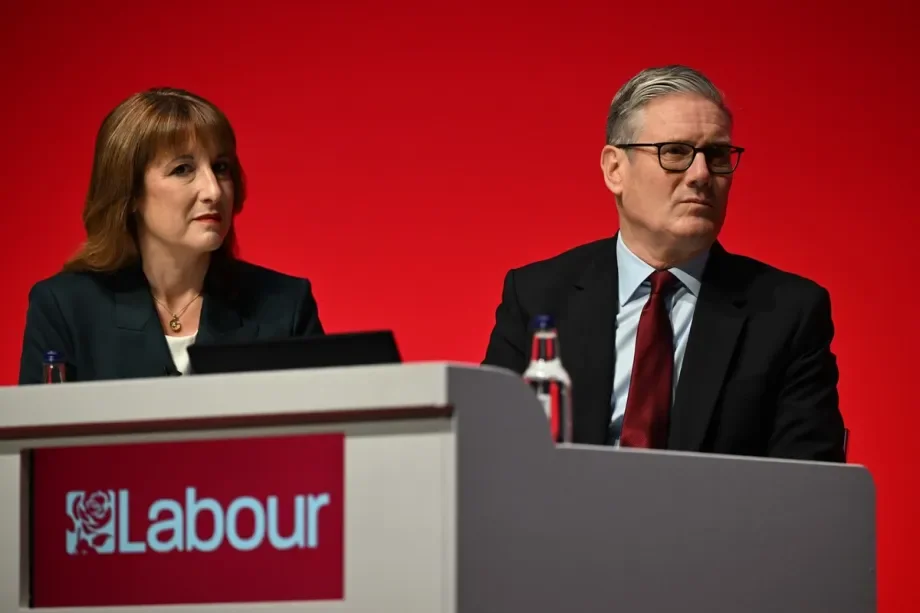
The period immediately after the Budget is often marked by detailed analysis as experts interpret policy specifics. This year, the debate became particularly heated as Chancellor Rachel Reeves faced criticism for her presentation of public finances.


Questions emerged regarding her decision to emphasise a more pessimistic fiscal scenario, despite updated forecasts indicating an improvement in the UK’s financial situation. Commentators suggested that the chancellor used the opportunity, with the public already braced for difficult measures, to justify substantial tax increases.


Critics argue that these steps may be more about supporting higher spending than addressing fundamental economic challenges.

Office for Budget Responsibility outlook

The latest report from the Office for Budget Responsibility (OBR) indicated that the fiscal deficit had diminished more than anticipated, reducing immediate pressure on public finances. Despite this, the Chancellor maintained that further tax rises were required, totalling £26 billion.


Although such caution is not unusual given ongoing economic uncertainties, some experts have questioned the framing of the situation.


The argument was put forward that presenting the finances as bleaker than official forecasts suggested justified continued tax hikes, rather than stimulating effective growth measures.

Tax burden and frozen income bands

A central feature of the Budget was the extension of the freeze on income tax bands, now set to last until 2031. This move is expected to increase the overall tax burden and bring millions more people into higher tax brackets as their incomes rise with inflation.


Analysts have noted that individuals on the threshold between tax bands could face steep marginal rates and the loss of certain benefits, such as tax-free childcare or personal allowances.


The Institute for Fiscal Studies (IFS) previously calculated that individuals crossing key thresholds might see their disposable income reduced significantly, particularly affecting families.

Impact on productivity and workforce incentives

Concerns have been raised that current tax policies could create barriers to productivity and diminish incentives for career advancement. Frozen thresholds and tax trap zones may discourage individuals from seeking promotions or increasing work hours, as higher earnings can lead to reduced net financial gain due to lost benefits and increased taxation.


The existence of effective marginal rates over 60 per cent in certain scenarios has drawn attention from economists, who argue this undermines both personal financial advancement and broader economic productivity.


Critics also point to the balance between supporting welfare and ensuring that work is financially rewarding.

Changes to pension relief

The Budget introduced a cap on salary sacrifice pension contributions, limiting tax-efficient savings to £2,000 per employee. The Chancellor defended this decision by emphasising the need for sustainable public finances, arguing that the existing level of relief placed pressure on other taxpayers.


However, industry experts and the IFS have raised concerns that this change could make it harder for private sector workers to save adequately for retirement. Analysis has shown that a significant proportion of private sector employees may struggle to reach retirement income benchmarks under defined contribution schemes.


Meanwhile, the cost of defined benefit schemes in the public sector continues to rise, with taxpayers ultimately bearing much of that expense.

Economic growth projections and international warnings

Following the Budget, the Organisation for Economic Co-operation and Development (OECD) issued a warning that the UK’s economic growth could be at risk due to increased taxation and subdued household spending.


The OECD now expects growth of just 1.2 per cent in 2026, a modest rise from 1.4 per cent in 2025, with similarly subdued prospects for subsequent years. These projections reflect concerns that higher taxes and welfare spending, without corresponding reforms to encourage employment and productivity, may limit the UK’s ability to achieve robust economic expansion.

Final Summary

Labour’s fiscal and tax strategy has faced growing scrutiny in the wake of recent Budget decisions, with analysts questioning whether current policies strike the right balance between necessary revenue and long-term productivity.


The extension of tax band freezes, changes to pension savings, and increased public spending have all contributed to concerns about the country’s capacity for growth. The OECD’s latest warnings and IFS analysis highlight the importance of aligning taxation and incentives with economic performance.


As taxpayers and businesses evaluate the new policies, more efficient tools such as those available on Pie may prove useful in navigating the changes and planning ahead.

Want to get smarter about taxes?

The Tax Pible has tax tips, guides, video tutorials, and expert insights.


Stay up to date with the latest tax news and watch the UKs first tax podcast - the Piecast

Want to get smarter about taxes?
Whatsapp Pie Tax