How Freelancers Can Legally Cut Their UK Tax Bill

How Freelancers Can Legally Cut Their UK Tax Bill
Charlotte Baroukh

Charlotte Baroukh

Tax Expert @ Pie

4 min read

Updated: 1 Dec 2025

4 min read

Updated: 1 Dec 2025

Let’s Break This Down Together...

Freelancer taxes can feel confusing, and many people worry they’re paying more than they should. You might be unsure what you can claim or how to bring your bill down legally.


In this guide, we’ll walk through the rules around taxable profits, allowable expenses, pensions, business structures, and timing your income. You’ll also learn how tax-free allowances and better record-keeping can make a real difference to what you owe.


By the end, you’ll know the simplest, safest ways to cut your tax bill and keep more of what you earn. You’ll feel more confident about managing your freelance finances too. Let’s dive in.

Understanding Your Tax Obligations as a Freelancer

As a freelancer, you’ll need to file a Self Assessment tax return by 31st January each year. This is where you declare your income and expenses. You’ll pay tax on your taxable profits (not your total income) at the same income tax rates as employees: 20% basic rate, 40% higher rate, and 45% additional rate. Understanding how income tax rates apply to your taxable profits is crucial for accurate calculations and managing your overall tax liability.


You’ll also pay National Insurance contributions - both Class 2 (flat weekly rate) and Class 4 (percentage of profits). As a freelancer, you are responsible for paying your own taxes directly to HMRC, including both income tax and National Insurance, without employer deductions. Remember that HMRC wants you to make advance payments towards your next tax bill through the Payment on Account system.


This means paying half your expected tax bill in January and half in July. It’s also important to check your tax code to ensure correct tax deductions and avoid overpaying. Understanding the UK tax rules, including how to pay tax, manage your own taxes, and calculate your overall tax liability, is key to staying compliant and avoiding surprises.

Article supporting image

Claiming Allowable Expenses: What You Can Deduct

Claiming allowable expenses is one of the most effective ways to reduce your tax bill as a self-employed freelancer. Allowable expenses are costs that are incurred “wholly and exclusively” for your business, and they can be deducted from your taxable income before you calculate your income tax. This means that every pound you claim as an allowable expense directly lowers your taxable income, which can reduce your income tax rate and overall tax bill.


Common allowable expenses for freelancers include office supplies, travel costs for work (excluding your regular commute), professional fees, and phone bills used for business. Other typical expenses you can claim are advertising, website costs, insurance, and even a portion of your home running costs if you work from home.


Keeping detailed records of all your business expenses is essential, as you’ll need to provide evidence when completing your self-assessment tax return. By claiming all eligible expenses and maintaining accurate records, you can ensure you’re not paying more tax than necessary and keep your overall tax bill as low as possible.

Smart Ways to Legally Reduce Your Freelance Tax Bill

The simplest way to cut your tax bill is to claim all legitimate business expenses. Claiming allowable expenses and claiming business expenses is crucial for self-employed professionals, as every pound of allowable expense reduces your taxable profit by a pound, helping to reduce taxable income and ultimately reduce tax bills.Home office costs are often overlooked. If you work from home, you can claim a portion of your rent, mortgage interest, council tax, utilities, and broadband.


Freelancers can also use simplified expenses as an alternative method for claiming home office or vehicle costs. Travel costs for business purposes (not regular commuting) are fully deductible. Keep records of mileage if using your own car. Don’t forget about smaller expenses that add up: software subscriptions, professional memberships, books, magasines, and stationery.


Equipment purchases like laptops, phones, and office furniture are all allowable expenses. For larger items, you might need to use capital allowances. Tracking all business costs and making sure to claim expenses is essential for maximising deductions. Professional insurance, accounting fees, bank charges on business accounts, and marketing costs are all tax-deductible, too.


Additional supporting image

Choose the Right Business Structure

Your business structure has a huge impact on your tax bill and overall tax position. Most freelancers start as sole traders because it’s simple. As your income grows, a limited company might save you tax. Running a limited company involves paying corporation tax, and professional advice can help you manage this responsibility effectively.


You can pay yourself through a mix of salary and dividends, which often results in lower National Insurance payments, but keep in mind that dividends may be subject to dividend tax. Be careful about IR35 rules if you work mainly for one client through a limited company. HMRC might see this as disguised employment.


Getting advice from an accountant on the best structure for your situation can save you far more than their fee costs, especially when considering employer contributions to pensions and optimising your tax position.

Pension Contributions - A Tax-Saving Superpower

Pension contributions are one of the most powerful tax-saving tools for freelancers. They reduce your taxable profit while building your future nest egg. As a sole trader, personal pension contributions give you tax relief at your highest rate.


Basic rate taxpayers receive 20% tax relief on their contributions, while higher-rate taxpayers can claim up to 40% relief. Salary sacrifice schemes can also be used to make pension contributions more tax-efficient by reducing your taxable income and National Insurance Contributions. Limited company directors can make employer pension contributions directly from the company.


This saves both corporation tax and National Insurance. The annual allowance is currently £60,000 (2023/24) for most people. You can carry forward unused allowances from previous years. Maximising your pension contributions can lead to significant potential tax savings.

Article supporting image

Capital Allowances and Tax Savings for Freelancers

Capital allowances offer freelancers a valuable tax relief by allowing them to deduct the cost of certain business assets from their taxable income. If you purchase equipment, machinery, or even some types of vehicles for your business, you can claim capital allowances to reduce your taxable profit and, in turn, your tax bill.


The Annual Investment Allowance (AIA) is particularly generous, letting you deduct the full cost of most qualifying equipment up to £1 million each tax year. This provides a significant tax benefit, especially if you’re making substantial business purchases. To claim capital allowances, it’s important to keep accurate records of all your business purchases, including invoices and receipts. Vehicles used for business can also qualify, but the rules and rates depend on the type of vehicle and how it’s used.


By making the most of capital allowances, you can lower your tax liability and keep more of your hard-earned income. Don’t overlook this opportunity to claim capital allowances and benefit from the annual investment allowance when planning your business investments.

Time Your Income and Expenses Wisely

Timing matters in tax planning. If you’re near a tax threshold, shifting income or expenses between UK tax years (which run from 6 April to 5 April) can save thousands. Consider delaying invoices or bringing forward expenses in March if it helps keep you in a lower tax band. This strategy saved me over £2,000 last year.


For limited companies, timing dividend payments carefully around the tax year-end can maximise your use of dividend allowances. Additionally, timing asset disposals to spread them across different tax years can help manage taxable gains and minimise your capital gains tax liability.


Remember that HMRC bases your tax on when money is received or spent, not when you issue or receive invoices. This affects your taxable profits for the relevant tax year, unless you use accrual accounting.

Additional supporting image

Use All Available Tax-Free Allowances

Everyone has a Personal Allowance of £12,570 (2023/24) before paying Income Tax. Make sure you use all available tax allowances to minimise your tax liabilities. The Trading Allowance lets you earn up to £1,000 from self-employment tax-free. This is particularly handy for side hustles. If you have a limited company, the Dividend Allowance (£500 for 2023/24) means your first £500 of dividends are tax-free.


When setting salary levels, especially for company owners and freelancers, consider the national insurance threshold to optimise both tax and benefit entitlements. Married? If your spouse earns less than the Personal Allowance, they can transfer 10% of it to you through the Marriage Allowance. Managing rental income efficiently, such as transferring ownership to a spouse in a lower tax band, can further reduce your overall tax liabilities.


Additionally, consider individual savings accounts (ISAs) and the Enterprise Investment Scheme (EIS) as tax-efficient investment options to further reduce tax liabilities and maximise your financial outcomes.

Record-Keeping and Tax Compliance Made Simple

Good record-keeping is the foundation of tax compliance for freelancers. As a self-employed individual, you’re responsible for paying your own income tax and national insurance contributions, and accurate records make it much easier to calculate your tax liability and complete your self-assessment tax return.


Keeping detailed records of your income, expenses, and business transactions ensures you can claim all available tax reliefs, including pension contributions and other tax-efficient investments, which can help reduce your overall tax burden. Using a reliable accounting system or working with a tax professional can help you stay organised and compliant with HMRC requirements.


This not only helps you avoid penalties and fines but also ensures you’re making the most of every allowable expense and tax relief available to you. Detailed records also make it easier to spot opportunities for tax-efficient planning, such as making pension contributions or investing in schemes that offer tax benefits. By staying on top of your records, you’ll have a clear picture of your tax and national insurance obligations, making your self-assessment and tax return process much smoother and more efficient.

Additional supporting image

Final Thoughts

Legal tax reduction isn’t about aggressive schemes but understanding the legitimate reliefs available to you. Always keep proper records to support your claims.


Consider working with an accountant who specialises in freelancers. Their fees often pay for themselves through tax savings. Regularly reviewing your tax position with a professional can help you uncover potential tax savings and ensure you are making the most of available allowances. Tax planning should be year-round, not just a January panic. Setting aside money for taxes as you earn it will also reduce stress at payment time.

Pie tax: Simplifying Freelancer Tax Efficiency

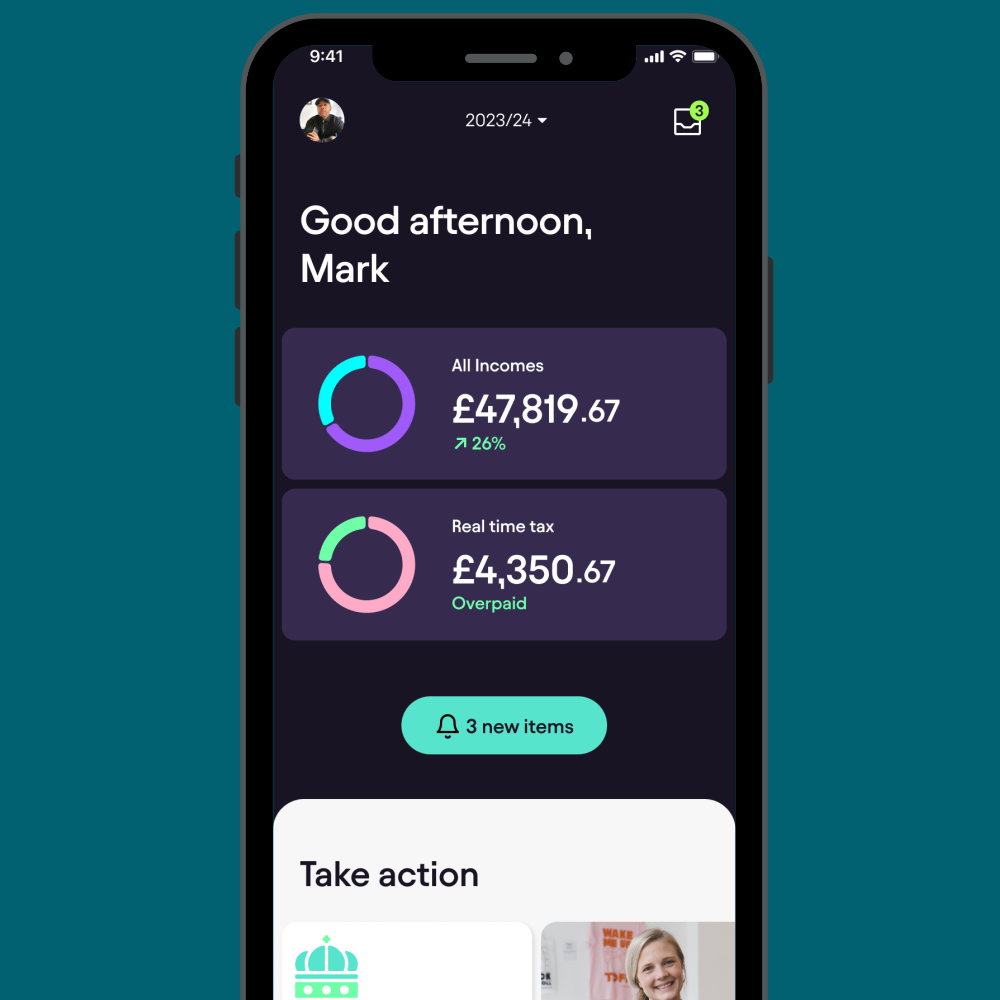
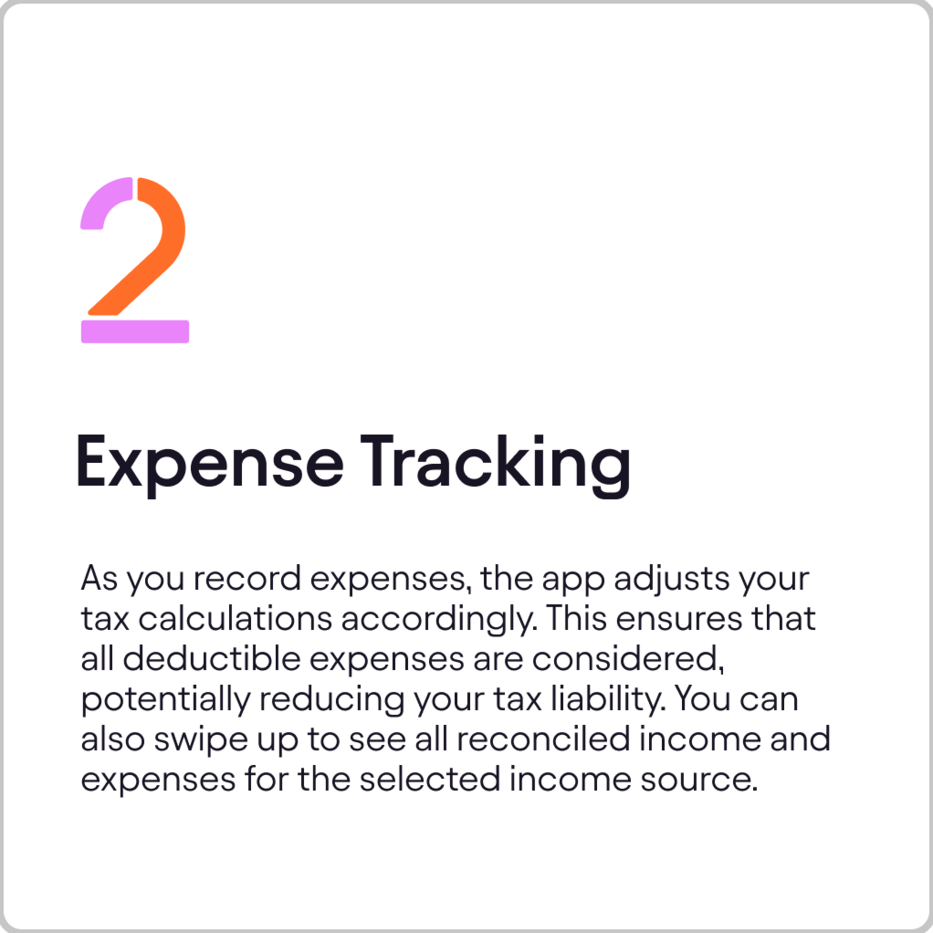
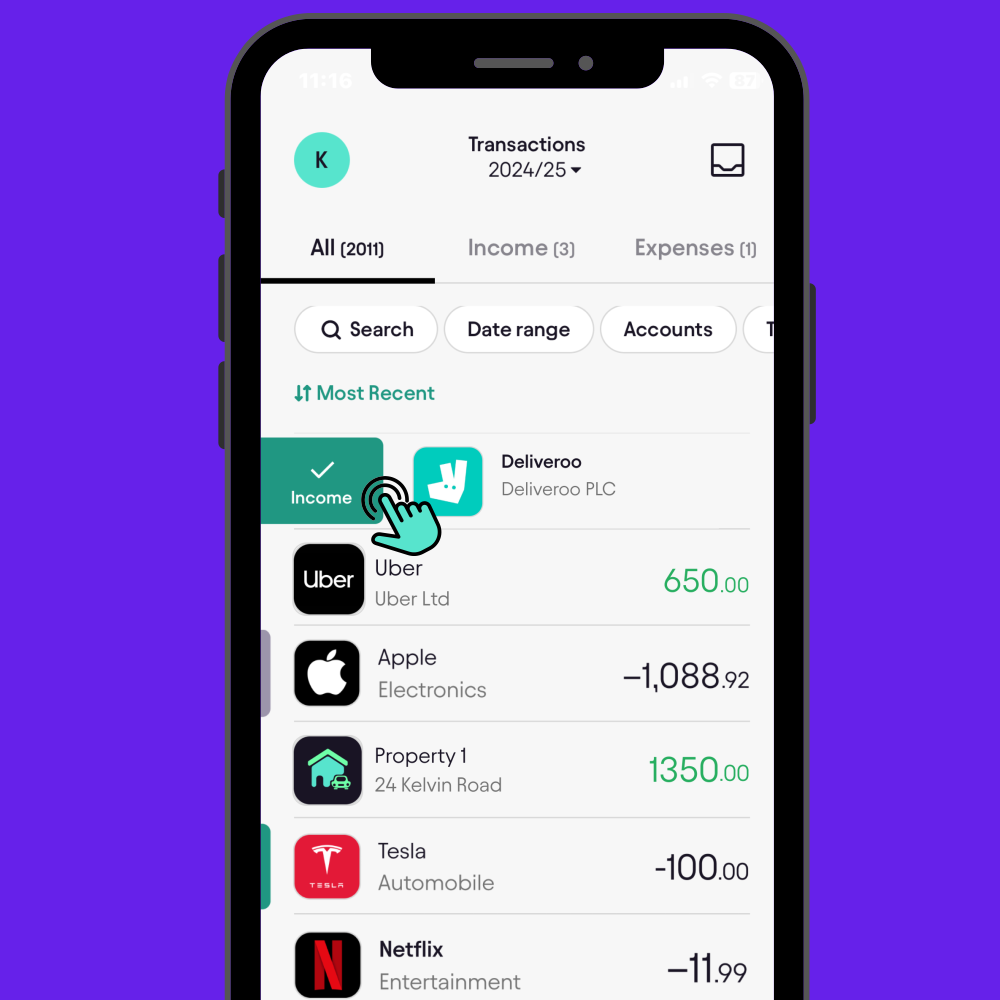
Managing your taxes shouldn’t eat into your valuable freelance work time. Pie tax gives you a real-time view of what you owe, helping you avoid nasty surprises. Our expense tracking feature lets you snap receipts on the go and categorise them correctly.


The app also helps you claim expenses and claim allowable expenses efficiently, ensuring you maximise your deductions for costs like home office, equipment, travel, and professional services. Everything is stored securely for the required seven years. We provide personalised tax tips based on your specific freelance situation. This highlights deductions you might have missed and strategies to reduce your bill legally. The app shows you exactly how close you are to tax thresholds.


This helps you make smart decisions about timing your income and expenses. Fancy seeing how much you could save? Check out Pie.tax to discover a simpler way to handle your freelance taxes.

Quick and Easy Guide to View Real-Time Tax Figures and Add Expenses


Follow these steps to proceed

Full FAQ Article

Want to get smarter about taxes?

The Tax Pible has tax tips, guides, video tutorials, and expert insights.


Stay up to date with the latest tax news and watch the UKs first tax podcast - the Piecast

Want to get smarter about taxes?
Whatsapp Pie Tax