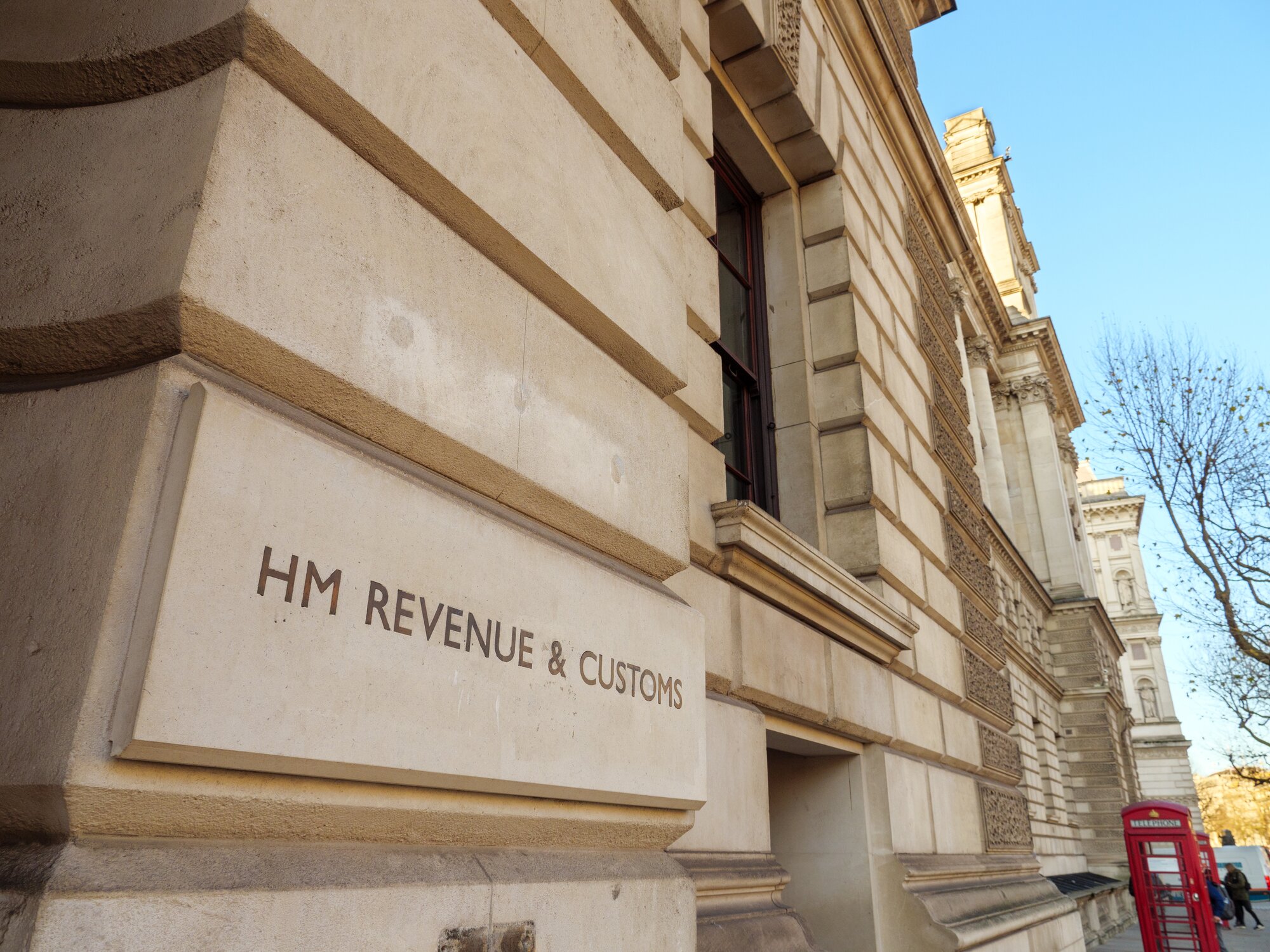
HMRC Urges Taxpayers To Check Payments And Plan Details

HMRC Urges Taxpayers To Check Payments And Plan Details
Charlotte Baroukh

Charlotte Baroukh

Tax Expert @ Pie

2 min read

Updated: 30 Mar 2026

2 min read

Updated: 30 Mar 2026

Public reminded on checking tax payments

Taxpayers across the UK have been urged by HMRC to regularly check their bank accounts when using agreed payment plans. This follows a recent inquiry from a member of the public active on social media, who queried why their scheduled tax payment had not appeared on the expected date.


HMRC responded by explaining that payments do not always show immediately, and there can be a delay in the banking system or payment processing. Taxpayers were reassured that such situations are not uncommon and advised to check their accounts later in the day or on the following day.

Guidance on payment processing times

According to HMRC, direct debit payments authorised for regular tax settlements may not be visible immediately after processing commences. “Payments do not always show as taken first thing and may be processed later in the day,” HMRC stated through official online correspondence.


The department further advised that if the payment is not deducted by the end of the scheduled day, individuals should recheck their bank accounts the next morning to ensure the transaction has gone through.

Arranging a payment plan with HMRC

HMRC offers payment plans to assist taxpayers who are unable to pay their bill in full by the required deadline. These structured agreements allow tax liabilities to be settled in manageable monthly instalments through direct debit. To initiate a payment plan, taxpayers must have failed to settle their liabilities by the original due date.


Arrangements are suitable for a variety of personal and business tax obligations, including Self Assessment and company tax liabilities, subject to HMRC’s approval and eligibility checks.

Required information for setting up payment plans

When applying for an HMRC payment plan, individuals and businesses must provide specific documentation. Essential details include the relevant tax reference number, typically found on correspondence from HMRC, and a UK bank account authorised for direct debit setup.


Additionally, HMRC requires information about income, regular outgoings, and financial commitments. For businesses, supplying details about company revenue and expenditure forms part of the application. Inaccurate or incomplete information can hinder approval and lead to further compliance checks.

Financial and social context of HMRC reminders

The reminder by HMRC comes as rising living costs and inflationary pressures continue to affect many households and companies. Official data show an increasing number of taxpayers opting for instalment arrangements to manage cash flow.


Late payments or missed instalments can result in penalties, additional interest, or potential enforcement action. By providing clear advice and guidelines, HMRC aims to ensure all taxpayers remain informed about their rights and obligations when using payment plans.

Reactions and official advice

Feedback from tax advisers and financial organisations indicates that reminders like these are necessary, particularly as year-end deadlines approach. Experts note that direct debit errors or bank processing delays can cause confusion, but regular monitoring reduces the risk of unintentional non-payment.


HMRC officials encourage all users of payment plans to review their own records and seek guidance if unexpected issues arise. The tax authority’s official guidance and support lines are available for those needing additional help with payment queries or plan management.

Final Summary

HMRC continues to stress the importance of vigilance in managing scheduled tax payments, particularly when using direct debits through payment plans. While delays in bank processing are sometimes unavoidable, taxpayers can avoid penalties by confirming that payments have left their accounts as planned.


Accurate information and timely communication with HMRC remain central to maintaining compliance and easing financial administration. For a transparent overview of personal or business tax planning, tools such as those available through the Pie app may prove helpful for UK taxpayers looking to stay organised.

Want to get smarter about taxes?

The Tax Pible has tax tips, guides, video tutorials, and expert insights.


Stay up to date with the latest tax news and watch the UKs first tax podcast - the Piecast

Want to get smarter about taxes?

File your Self Assessment - For FREE

Manage your self-assessment in one, easy to use App

  • Save money, time and effort with Pie

  • Add multiple incomes and view your tax in ‘Real Time’

  • File directly to HMRC - for FREE

File your self assessment - for Free

The Free Self Assessment App.

logologo
Want regular updates from us?

Want regular updates from us?

Sign up for regular tax tips and news sent straight to your inbox.

Whatsapp Pie Tax