Individuals with as little as £3,500 in savings may face an unexpected tax bill, as HM Revenue and Customs (HMRC) intensifies scrutiny on bank account interest. As the UK tax authority automatically receives information from banks on interest earned, savers exceeding the relevant thresholds could receive a letter demanding extra tax payments.
With the tax year in progress and the self-assessment deadline approaching in January, HMRC is actively issuing notifications to those whose savings interest has pushed them over their tax-free allowance, prompting many to reassess their savings strategies.
How HMRC tracks savings interest
HMRC obtains annual reports from banks and building societies detailing the interest paid to account holders. These reports enable HMRC to identify individuals who have earned savings interest beyond their tax-free allowance.
Interest earned within tax-free products such as Cash ISAs is reported separately and remains exempt from tax. All other savings account interest is automatically passed to HMRC, allowing them to assess who may owe additional tax.
Understanding the Personal Savings Allowance
The Personal Savings Allowance sets the amount of interest individuals can earn tax-free each year. Basic rate taxpayers (earning up to £50,270 annually) receive an allowance of £1,000.
Higher rate taxpayers (earning from £50,271 up to £125,140) have this reduced to £500, while additional rate taxpayers (earning above £125,140) have no allowance.
This policy, introduced to simplify savings taxation, means that even modest savings at current interest rates may generate a tax liability for higher earners.
When tax may be due on savings
Tax on savings interest depends on both the amount of savings and a person’s overall taxable income. For instance, an individual with £3,500 in a fixed-term savings account earning 5% per year over three years accrues more than £500 in interest when the account matures.
If this amount is paid in a single year, as is typical with fixed-rate accounts, it could place a higher rate taxpayer above their annual allowance, creating a tax liability. Similarly, larger savings balances or higher rates can push any saver beyond their threshold, even if they have no other sources of interest.
Calculating the tax on different account types
The allocation of tax on savings interest depends on when and how interest is paid. Fixed-term accounts often 'crystallise' the total interest at maturity, potentially exceeding annual allowances if multiple years' interest is paid at once.
For example, putting £11,000 into a standard savings account at 5% generates £550 in interest, just above the £500 threshold for higher rate taxpayers. This would result in a tax charge, with higher rate taxpayers taxed at 40% for any amount above their allowance, while basic rate taxpayers pay 20% on interest above their limit.
What counts towards your allowance
The Personal Savings Allowance applies to a wide range of interest-bearing products. This includes current and savings accounts, certain insurance products, unit and investment trusts, credit union and building society accounts, peer-to-peer lending, trust funds, some government or company bonds, and annuities.
Interest from Cash ISAs remains fully exempt and does not count towards the allowance. It is important for savers to consider all sources of taxable interest when evaluating if they have crossed the relevant threshold.
Final Summary
HMRC’s automatic access to bank-reported savings interest means savers across the UK must remain vigilant about their tax obligations, particularly as interest rates rise and average deposits increase.
Numerous individuals may face unexpected tax bills for exceeding their Personal Savings Allowance, sometimes with savings balances as low as £3,500 in certain account types and combinations of earnings. Regularly reviewing savings accounts and monitoring total interest earned is vital to avoid surprises at the end of the tax year.
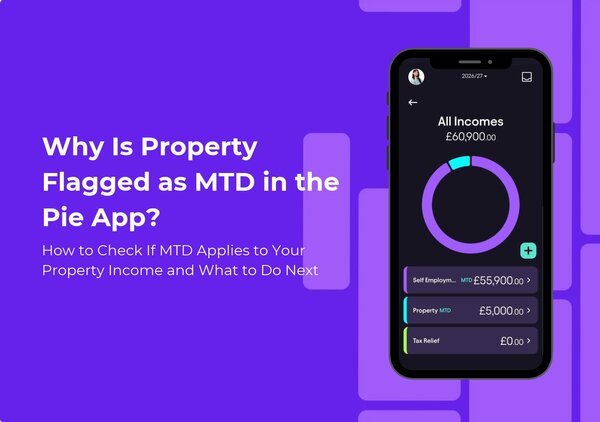
For those seeking greater clarity or to proactively manage their finances, tools like the Pie app can support tracking income and potential tax liabilities throughout the year.