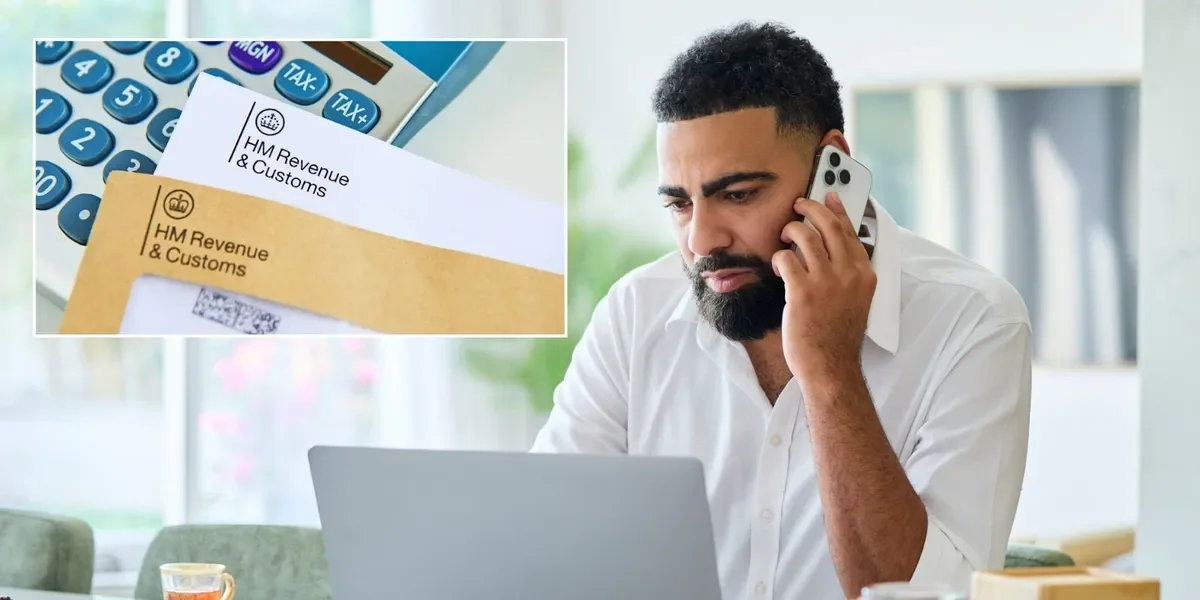
Millions of self-assessment taxpayers across the UK could be missing out on tax refunds after overpaying HM Revenue & Customs (HMRC). Recent research has identified that approximately 2.6 million individuals may have paid an estimated £8.9 billion more tax than required in the last tax year.
The overpayments are largely linked to the Payment on Account system and common filing errors. Experts are urging taxpayers to review their self-assessment submissions, as HMRC does not automatically return surplus payments unless specifically requested to do so. Failure to act may mean many miss out on refunds to which they are entitled.
Scope of tax overpayments
According to findings based on Freedom of Information data, an estimated £8.9 billion in overpaid tax remains with HMRC from the latest self-assessment returns. Approximately 2.6 million people were affected over the past tax year, revealing a widespread issue.
The potential sum left unclaimed underscores the scale of the problem, prompting concerns about awareness and efficiency in the tax refund process. This situation has drawn the attention of tax professionals and policymakers who highlight the financial impact on individuals.
Causes of overpayments under self-assessment
Primary factors for overpayment include automated tax collection processes and individual mistakes. Accountancy firm UHY Hacker Young highlights that many taxpayers unknowingly misreport earnings or fail to claim eligible business expenses such as travel or materials.
Simple human errors on return forms, including incorrect income declarations or omitted deductions, can substantially inflate tax liabilities. These mistakes can arise if taxpayers do not carefully scrutinise their returns or seek appropriate advice.
The Payment on Account system explained
A significant proportion of overpayments is attributed to the Payment on Account mechanism. Under this system, self-assessment taxpayers are required to pay an advance on their estimated tax bill for the coming year, calculated using income from the previous year.
If a taxpayer’s income declines, their advance payments may significantly exceed their actual liabilities. The system’s structure means that unless figures are proactively updated or errors are rectified, the overpaid sums remain with HMRC.
Challenges in reclaiming overpaid tax
Difficulty reclaiming overpayments is an ongoing concern. HMRC does not automatically review or refund excess payments. Taxpayers must identify discrepancies and formally request a refund.
Significant backlogs at HMRC have led to prolonged delays, with accountants citing refund waits of 18 to 24 months in some instances. This extended timescale can cause financial uncertainty and frustration for those awaiting their funds.
Advice for self-assessment taxpayers
Tax professionals advise all self-assessment filers to review their income details, expense claims, and payment assumptions meticulously. UHY Hacker Young recommends immediate action upon discovery of any overpayment.
Neela Chauhan, Partner at UHY Hacker Young, has stated, 'Self-assessment is supposed to ensure people pay the right amount of tax, but for millions it means they are being overtaxed billions of pounds.
Self-assessment taxpayers must check whether they have paid the correct amount. Refunds are not automatic and HMRC will not proactively tell you that you’ve paid too much. If you don’t check your return carefully and follow up, you may never see that money again.'
Final Summary
The discovery of £8.9 billion in potential overpayments highlights a significant challenge within the UK’s self-assessment tax system. Causes range from automatic payment structures to human error, while reclaiming excess tax remains a complex and delayed process.
Taxpayers are urged to thoroughly check their returns and act promptly if they suspect any error. As HMRC does not notify individuals of overpayments, those affected need to initiate the claims process themselves or risk forfeiting their funds.
For further support in managing tax and personal finances, individuals may consider exploring digital tools such as the Pie app.