HM Revenue and Customs (HMRC) has issued guidance following concerns from state pensioners about potential discrepancies in their reported untaxed interest earnings.
Many pensioners have questioned recent communications regarding the calculation and reporting of savings interest. These queries prompted HMRC to provide updated information to help individuals resolve their tax issues without requiring professional advice.
The update aims to address uncertainty and ensure pensioners understand the correct procedures for reporting savings interest, following a number of reported discrepancies.
HMRC responds to concerns from pensioners
State pensioners have recently sought clarification from HMRC about reported differences in their declared untaxed interest income. In one case, a pensioner reached out to request support, highlighting concerns about overstated bank interest amounts.
The individual expressed difficulty in navigating the matter alone and stressed the inability to afford an accountant. HMRC has acknowledged these cases and reiterated its commitment to assist pensioners directly.
Clarification on reporting bank interest
In response to enquiries, HMRC advised pensioners to confirm any discrepancies by providing accurate details of their received bank interest.
Taxpayers can contact HMRC either by phone or in writing to discuss their concerns and correct errors. The department noted that phone lines are open Monday to Friday, and are generally less busy in the morning, between 8am and 9am.
Understanding the Personal Savings Allowance
The Personal Savings Allowance (PSA) determines the annual amount of savings interest an individual may receive tax-free. The allowance applies each tax year, which runs from 6 April to 5 April in the United Kingdom.
The exact amount depends on an individual's income tax band. For the current tax year, basic rate taxpayers are permitted to earn up to £1,000 in savings interest without incurring tax.
Savings allowances based on income tax band
The PSA operates alongside the standard income tax bands. For individuals in the basic rate band, the allowance is set at £1,000.
Those in the higher rate band are entitled to earn £500 tax-free, while additional rate taxpayers do not receive a tax-free savings allowance. The PSA covers savings across all providers and account types.
Impact of the starter savings rate
In addition to the PSA, a starter rate for savings is available for those with low taxable incomes. This allowance applies where taxable income is above the personal allowance threshold of £12,570, but remains relatively modest.
Under this rate, up to £5,000 in savings interest can be received tax-free. However, this figure is reduced by £1 for every £1 income exceeds the personal allowance. The entitlement is eliminated once total income reaches £17,570.
Final Summary
HMRC’s recent update aims to address confusion among state pensioners regarding the tax treatment of their savings interest, particularly where discrepancies have been reported.
The guidance emphasises the importance of verifying all interest figures and encourages direct communication with HMRC for those experiencing issues. Pensioners are urged to familiarise themselves with relevant allowances based on their tax band and overall income.
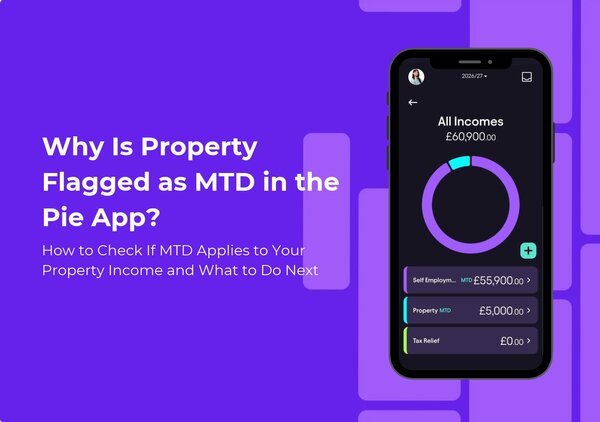
The move seeks to prevent errors and ensure tax obligations are met correctly. For further support with personal tax matters, individuals may find the Pie app helpful in managing their tax records and information.