Let's Break it down
A number of savers across the United Kingdom have reported receiving unexpectedly high tax bills from HM Revenue and Customs (HMRC), with some individuals being asked to pay thousands of pounds on savings interest. The issue has affected those with savings accounts, including holders of Individual Savings Accounts (ISAs), which are intended to be tax-free.
Financial advisers and taxpayer advocacy groups say the errors stem from incorrect estimations and duplications in reported interest income. Public figures and parliamentarians have called for urgent action to address these billing inaccuracies, raising concerns about the impact on personal finances during a period of heightened cost-of-living pressures.
Concerns Raised Over Incorrect HMRC Tax Bills
HMRC has been sending tax assessments to some savers, with calculations in certain cases reportedly far higher than the correct amounts owed. In one documented instance, an individual was billed £3,847 in untaxed interest, though records indicated the actual amount should have been just £94.
Errors have included misreporting of interest data and attempts to tax income that is legally protected by an ISA wrapper. The accuracy of tax coding notices has become a widespread issue. Many recipients have noted disparities between their own banking statements and the figures displayed in official notices, prompting confusion and, in some cases, unexpected deductions through PAYE.
Political Response to HMRC Tax Demands
The situation has drawn criticism from both sides of the political spectrum. Richard Fuller, the shadow chief secretary to the Treasury, stated, “At a time when many are struggling with higher taxes and the cost of living, HMRC has been taking money it should not and putting people’s finances under further strain.
” He urged ministers to take decisive steps to rectify the situation and prevent further undue tax charges. Former Conservative Party leader Sir Iain Duncan Smith also voiced concerns about what he described as longstanding administrative problems at HMRC. He asserted that miscalculations and intrusive requests for information have imposed unnecessary burdens on taxpayers, stating that such failings have 'left the taxpayer picking up the bill.'
Errors Impacting ISA and Savings Accounts
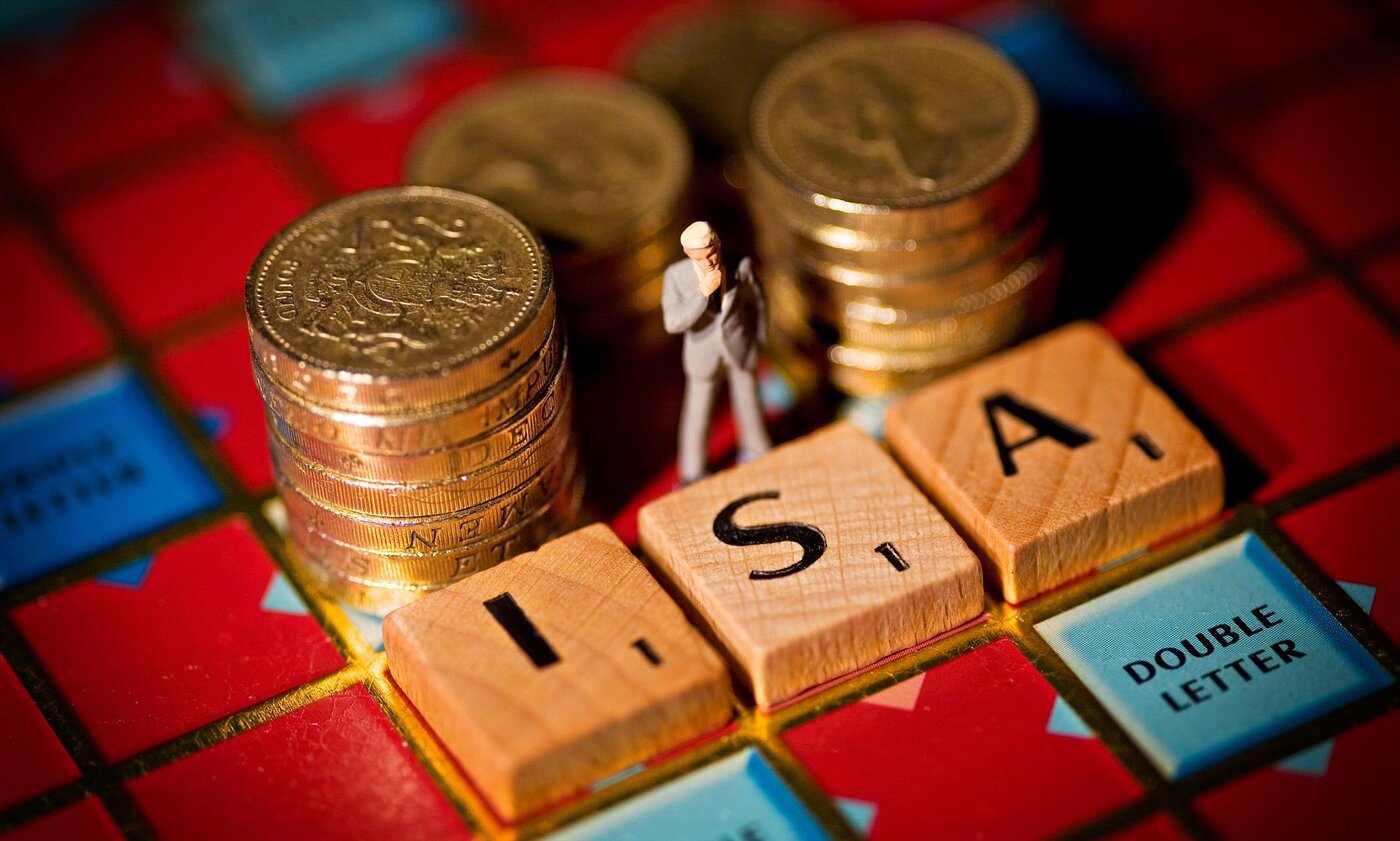
ISAs are specifically designed to allow savers to earn interest and returns free from income tax. Recent errors highlight instances where HMRC incorrectly treated ISA-held interest as taxable, contrary to UK tax law, which has protected qualifying ISAs from tax since their inception in 1999.
With current cash ISA subscription limits at £20,000 per year, mistakes involving these accounts can affect significant sums and undermine confidence among account holders. According to financial advisers, mistakes often result from duplicated interest calculations or out-of-date data supplied by financial institutions.
These issues can lead to inflated tax bills and uncertainty for individuals with modest savings, who may not have access to comprehensive financial advice.
Financial Advisers and Taxpayer Groups Respond
Sarah Weston, of the Low Incomes Tax Reform Group, commented, “We are aware that some taxpayers have received tax calculations and tax coding notices showing savings interest figures they believe to be inaccurate, which can lead to unexpected tax bills or PAYE deductions.
There do appear to be some instances where the figures used by HMRC do not match with the taxpayer’s own records.” Taxpayer advocacy bodies are advising individuals to carefully compare their official tax correspondence with their own bank statements and interest certificates.
This process is seen as essential for identifying errors and ensuring inaccurate bills are disputed before any enforcement action is taken.
HMRC’s Clarification and Call for Corrections
In response to concerns, HMRC has acknowledged its commitment to ensuring all tax calculations are accurate and based on the most recent available data. An official spokesperson stated, “We do not want anyone to overpay or underpay tax. We update tax codes based on the most recent data available from financial institutions, ensuring we get information from them as close to real time as possible going forwards.
We continuously improve our processes to allow payments to be corrected. Anyone who thinks the information we have is incorrect should let us know straight away so we can put things right.” Taxpayers who receive notices with disputed figures are encouraged to contact HMRC directly to resolve discrepancies, either online or via the helpline.
Final Summary
The recent reports of incorrect HMRC tax bills affecting savers and ISA holders highlight wider issues within the UK’s tax administration. Political and public scrutiny has grown over the accuracy of automated assessments and the effect on taxpayers’ confidence in the system. HMRC has responded by urging those affected to report errors and has pledged to update processes using the most current data available.
Ongoing collaboration between HMRC, financial advisers, and advocacy groups will be key to restoring trust and protecting the interests of those with savings. For individuals managing tax matters or seeking support with similar issues, resources such as the Pie app can provide helpful insights and practical guidance.