HM Revenue & Customs (HMRC) has rejected a petition urging the government to raise the income tax Personal Allowance from £12,570 to £20,000. The campaign, supported by over 60,000 signatories, called for a substantial tax threshold increase to offset rising living costs.
HMRC and the Treasury have responded by citing the significant financial impact such a rise would have on the UK’s public finances and essential services.
Public Petition for Allowance Increase
The petition, initiated earlier this year, argued that raising the Personal Allowance would help individuals and families struggling with higher living expenses, such as rent, mortgages, and utility bills.
Petitioners claimed that childcare costs and taxation on lower incomes are discouraging parents from returning to work and that the current minimum wage does not sufficiently support average families.
The campaign suggested that a higher allowance might encourage more people to seek employment by improving take-home pay.
Government’s Fiscal Stance
In response to the petition, HMRC stated, “The Government is committed to keeping taxes for working people as low as possible while ensuring fiscal responsibility, so we will not increase the Personal Allowance to £20,000.”
The statement further emphasised the importance of balancing tax policy with the need to invest in public services and avoid endangering the nation’s economic stability.
Cost and Impact of Proposed Rise
According to official government estimates, increasing the Personal Allowance to £20,000 would cost more than £50 billion annually. HMRC warned that this reduction in tax receipts would “decrease funds available for the UK’s hospitals, schools, and other essential public services that we all rely on.”
Officials highlighted that a £50 billion cut could equate to approximately a quarter of the National Health Service budget or 80 per cent of current defence spending.
Support Measures for Low-Income Households
To assist lower earners, the government has tasked the Low Pay Commission with considering the cost of living in its recommendations for minimum wage rates from April 2025.
Additionally, HMRC noted support for families through expanded childcare provision. All parents of three- and four-year-olds are eligible for 15 hours of government-funded childcare, with up to 30 hours available to working parents of children aged nine months and above, depending on eligibility.
Changes for Pensioners Under Review
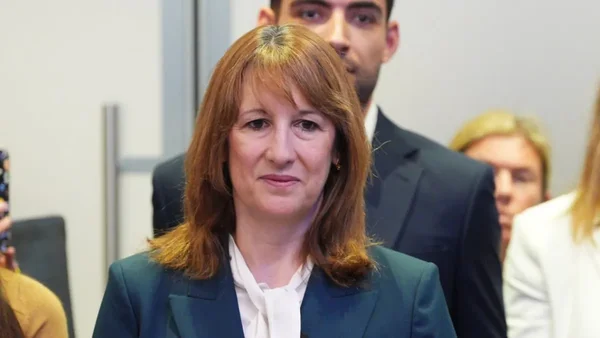
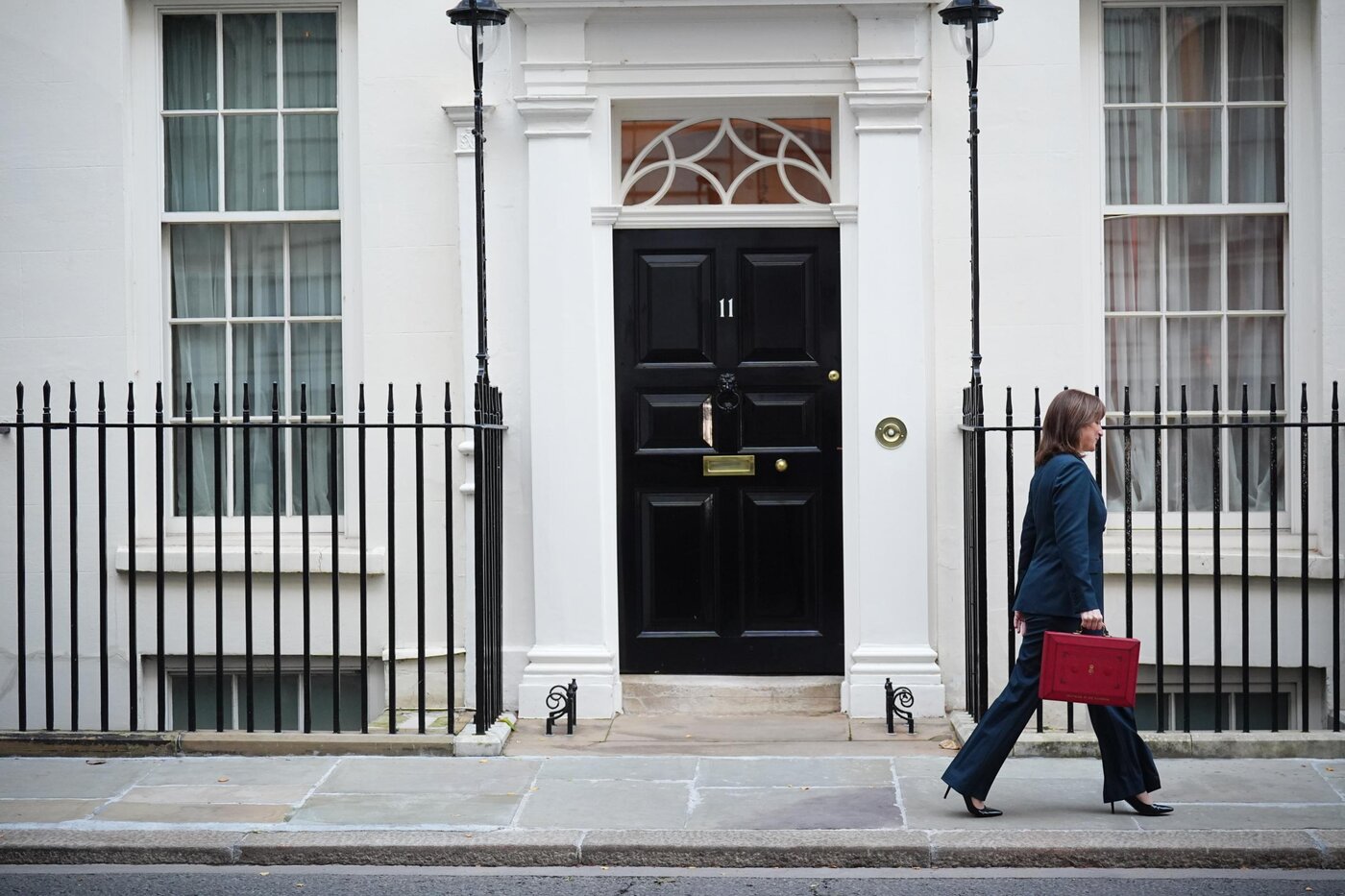
During the autumn budget, Chancellor Rachel Reeves indicated that measures are being considered to prevent pensioners from paying tax on relatively small state pension sums that exceed the Personal Allowance.
Addressing this in a televised interview, the Chancellor stated, “If you just have a state pension, we are not going to make you fill in a tax return of any type…
In this Parliament, they won’t have to pay the tax, we’re just looking at a simple workaround at the moment.” The government is said to be working on a solution as new state pension rates are projected to surpass the tax-free allowance after 2027.
Final Summary
The government’s dismissal of the petition to raise the Personal Allowance reflects ongoing concerns about fiscal sustainability and the protection of core public services. While rising living costs and calls for tax relief remain prominent issues, ministers have underscored the need to balance tax reductions with essential government spending.
Support measures targeting lower-income households and prospective reforms for pensioners are expected to develop in coming months. For those seeking guidance on income tax or benefits, financial tracking resources such as the Pie app may help individuals monitor changes to UK tax policy and personal finances.